
 EN
EN
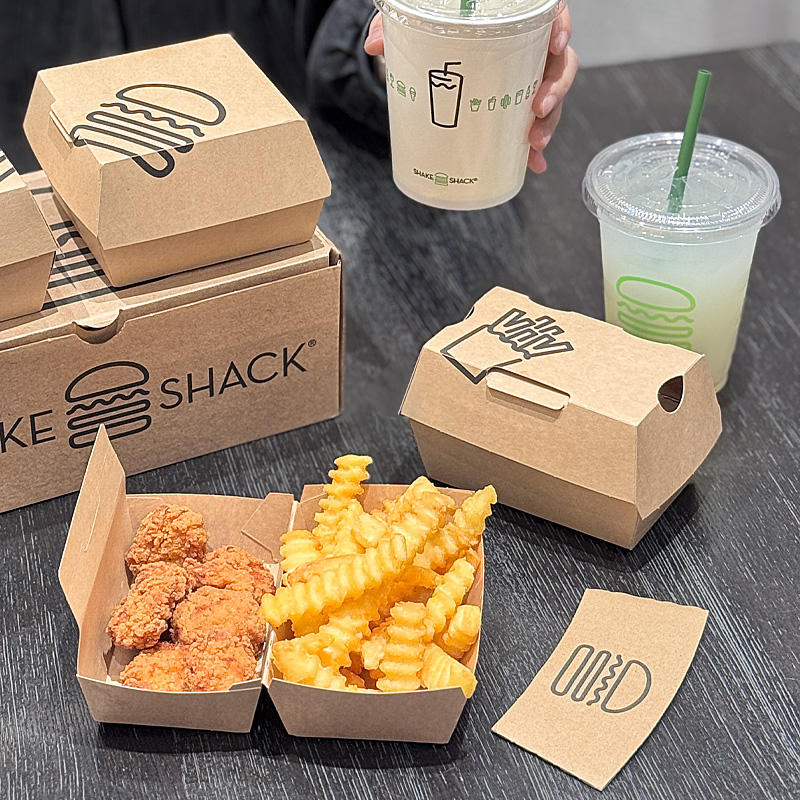
Fast food chains operate on razor-thin profit margins where every operational expense directly impacts bottom-line performance. One of the most overlooked cost-reduction opportunities lies in strategic bulk burger box purchasing decisions. By consolidating orders, negotiating volume discounts, and optimizing supply chain logistics, fast food operators can achieve significant savings on their most essential packaging material. A burger box represents far more than just a container; it is a critical touchpoint with customers, a brand ambassador, and a substantial recurring expense that deserves strategic attention and procurement discipline.
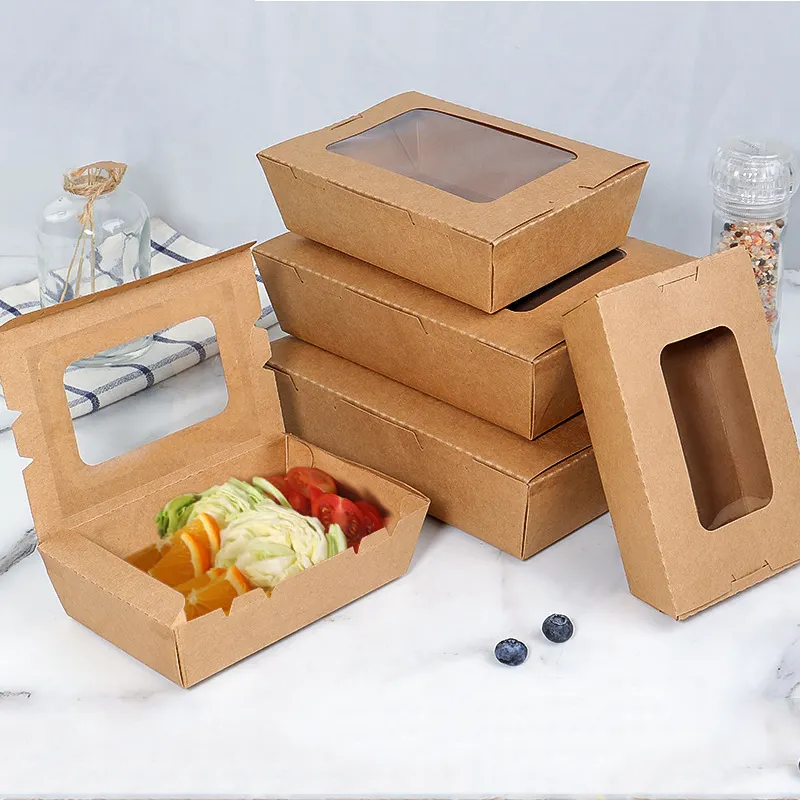
The financial implications of bulk burger box purchasing extend far beyond the per-unit cost reduction. When chains implement systematic volume purchasing strategies, they unlock economies of scale that ripple throughout their entire operation. Reduced packaging costs translate into improved food cost percentages, better labor efficiency metrics, and enhanced competitive positioning. Understanding how to leverage bulk burger box purchasing requires insight into supplier negotiations, demand forecasting, inventory management, and integration with existing operational workflows.
Strategic Volume Purchasing and Cost Mechanics
Understanding Bulk Pricing Structures
Bulk burger box purchasing operates on a tiered pricing model where volume commitments unlock proportionally better unit economics. Suppliers typically offer three to five pricing tiers based on minimum order quantities, with the steepest discounts reserved for annual or quarterly commitments. A burger box unit cost might range from twelve cents at low volumes to six cents or lower at high-volume thresholds. For a chain operating fifty locations with average daily sales of three hundred burgers per location, annual burger box consumption reaches five and a half million units, which clearly justifies aggressive volume negotiations.
Negotiation Leverage and Supplier Relationships
Effective bulk burger box purchasing requires understanding supplier cost structures and market dynamics. Multi-location chains possess significant negotiating power that single independent operators cannot replicate. By consolidating burger box orders across all locations into single purchase agreements, chains create attractive volume blocks that suppliers actively compete for. Long-term burger box purchasing commitments, annual forecasts, and flexible delivery schedules further strengthen negotiating positions. Suppliers often provide additional value through free design services, quality upgrades, or logistics support for customers willing to commit to consistent burger box volume purchasing.
Operational Efficiency Through Systematic Procurement
Demand Forecasting and Inventory Optimization
Accurate demand forecasting represents the foundation of successful bulk burger box purchasing programs. Chains utilizing point-of-sale data analytics can project burger box requirements with remarkable precision, enabling larger purchase orders while minimizing excess inventory carrying costs. Seasonal demand variations, promotional calendars, and growth projections must factor into burger box purchasing decisions. Implementing centralized purchasing with distributed inventory storage allows chains to maintain the benefits of bulk burger box purchasing while avoiding the cash flow strain of excessive onsite stockpiles.
Supply Chain Integration and Logistics
Modern bulk burger box purchasing extends beyond price negotiation into sophisticated logistics coordination. Implementing vendor-managed inventory programs enables suppliers to monitor burger box levels across multiple locations and trigger automatic replenishment shipments. Direct-to-location delivery arrangements reduce handling costs and inventory carrying expenses compared to centralized warehouse models. Combining burger box purchasing with other packaging materials such as fries containers, sauce cups, and napkins into consolidated supplier relationships further amplifies negotiating leverage and streamlines ordering processes. Many suppliers offer technology integration through API connections that automatically sync burger box purchasing orders with real-time inventory systems.
Financial Impact and Strategic Implementation
Calculating Total Cost of Ownership
Evaluating bulk burger box purchasing effectiveness requires analyzing total cost of ownership rather than unit price alone. Direct burger box material costs represent approximately sixty to seventy percent of the equation, while storage, handling, spoilage, and logistics comprise the remainder. Quality considerations also matter significantly; premium burger box materials may cost more initially but reduce customer complaints, decrease food waste, and enhance brand perception. Chains implementing bulk burger box purchasing often discover that slightly higher-quality boxes at better volume prices outperform cheaper alternatives when accounting for waste reduction and customer satisfaction metrics.
Implementation Roadmap for Multi-Location Chains
Successful bulk burger box purchasing begins with comprehensive demand aggregation across all locations, requiring collaboration between store operations, supply chain, and finance teams. Establishing clear specifications for burger box materials, dimensions, printing requirements, and environmental certifications prevents specification creep and enables competitive bidding. Creating a preferred supplier list through competitive processes ensures ongoing burger box purchasing negotiations maintain downward pressure on pricing. Performance metrics should track burger box purchasing efficiency, including cost per unit, waste rates, on-time delivery, and quality rejection percentages. Quarterly business reviews with burger box suppliers help identify further optimization opportunities and maintain strong partnership dynamics.
FAQ
What percentage of cost savings can chains typically achieve through bulk burger box purchasing?
Chains implementing strategic bulk burger box purchasing programs typically achieve fifteen to thirty percent cost reductions compared to spot market purchases. Savings magnitude depends on current purchasing practices, competitive environment, order volumes, and supplier relationships. Large national chains with sophisticated procurement departments frequently achieve higher savings percentages than smaller regional operators. The burger box cost reduction represents one of the most reliable and quickly-achievable savings opportunities available to fast food operators.
How does bulk burger box purchasing affect supply chain risk and reliability?
Strategic bulk burger box purchasing actually enhances supply chain reliability when implemented thoughtfully. Multi-supplier strategies with staggered delivery schedules prevent disruption risk from single-source dependency. Larger burger box purchase orders typically enjoy higher supplier priority status, ensuring smoother fulfillment. Many chains employ safety stock protocols where burger box inventory represents thirty to forty-five days of consumption, providing buffer protection against supplier delays or unexpected demand surges.
Can smaller independent burger chains benefit from bulk burger box purchasing strategies?
Independent operators and smaller chains have fewer locations but can still leverage bulk burger box purchasing through cooperative buying groups and shared procurement platforms. Several industry cooperatives aggregate orders from multiple independent burger chains, achieving supplier volume discounts comparable to larger corporations. Regional burger box suppliers often provide better pricing to independent operators than national chains receive from local distributors, making direct supplier relationships particularly valuable for smaller players.