
 EN
EN

Selecting the right coffee paper cups for your business goes far beyond simple functionality. In today's competitive marketplace, every touchpoint with customers represents an opportunity to reinforce your brand identity and create lasting impressions. The coffee paper cups you choose serve as mobile ambassadors for your brand, carrying your message directly into the hands of consumers and potentially reaching new audiences as customers move throughout their day.
The strategic selection of coffee paper cups involves careful consideration of materials, design elements, size options, and sustainability factors that align with your brand values. Modern consumers increasingly expect businesses to demonstrate environmental responsibility while maintaining high-quality service standards. Understanding how to balance these expectations with practical operational needs will help you make informed decisions that support both your brand objectives and customer satisfaction goals.
Understanding Your Brand Identity Requirements
Defining Your Brand Personality Through Cup Selection
Your brand personality should directly influence every aspect of your coffee paper cups selection process. A premium artisanal coffee shop will require different cup specifications than a fast-casual dining establishment or corporate catering service. Consider whether your brand projects sophistication, approachability, innovation, or tradition, as these characteristics should be reflected in the visual and tactile elements of your chosen cups.
The color palette, typography, and imagery used on your cups must create cohesive brand recognition across all customer touchpoints. Consistency in these visual elements helps build brand equity and makes your business more memorable in crowded marketplaces. Professional graphic design services can help translate your brand guidelines into effective cup designs that maintain visual impact even when printed on curved surfaces.
Aligning Cup Quality with Brand Positioning
The perceived quality of your coffee paper cups directly impacts customer perceptions of your overall brand value. Premium brands require cups with superior insulation properties, sturdy construction, and refined finishing details that justify higher price points. Budget-conscious brands can still achieve professional appearance through strategic design choices and reliable basic functionality.
Consider how cup quality affects the entire customer experience, from the moment customers receive their beverage until they dispose of the empty container. Double-wall construction, comfortable grip textures, and leak-resistant sealing all contribute to positive brand associations. These functional benefits become part of your brand story and can differentiate your business from competitors using inferior packaging solutions.
Material and Construction Considerations
Evaluating Paper Cup Wall Technologies
Single-wall coffee paper cups offer cost-effective solutions for businesses serving beverages at moderate temperatures or providing additional sleeve protection. These cups work well for iced beverages and situations where customers consume drinks quickly. However, single-wall construction may require additional sleeves for hot beverages, which can increase overall packaging costs and environmental impact.
Double-wall cups provide superior insulation without requiring separate sleeves, creating a more premium customer experience while potentially reducing total packaging waste. The air gap between walls significantly improves heat retention and comfort during handling. Triple-wall options offer maximum insulation for extremely hot beverages and extended holding times, though they represent the highest cost option and may not be necessary for most applications.
Coating and Lining Technologies
Traditional PE (polyethylene) coated coffee paper cups provide excellent moisture barriers and heat resistance at competitive prices. However, these coatings can complicate recycling processes and may not align with sustainability-focused brand positioning. Understanding the recycling infrastructure in your market area helps determine whether PE-coated options are appropriate for your brand values.
Newer water-based barrier coatings and PLA (polylactic acid) linings offer improved environmental profiles while maintaining functional performance. These alternatives typically cost more than traditional options but can support sustainability marketing messages and appeal to environmentally conscious consumers. Aqueous coatings provide adequate moisture barriers for many applications while enabling standard paper recycling processes.
Design and Customization Options
Creating Effective Visual Impact
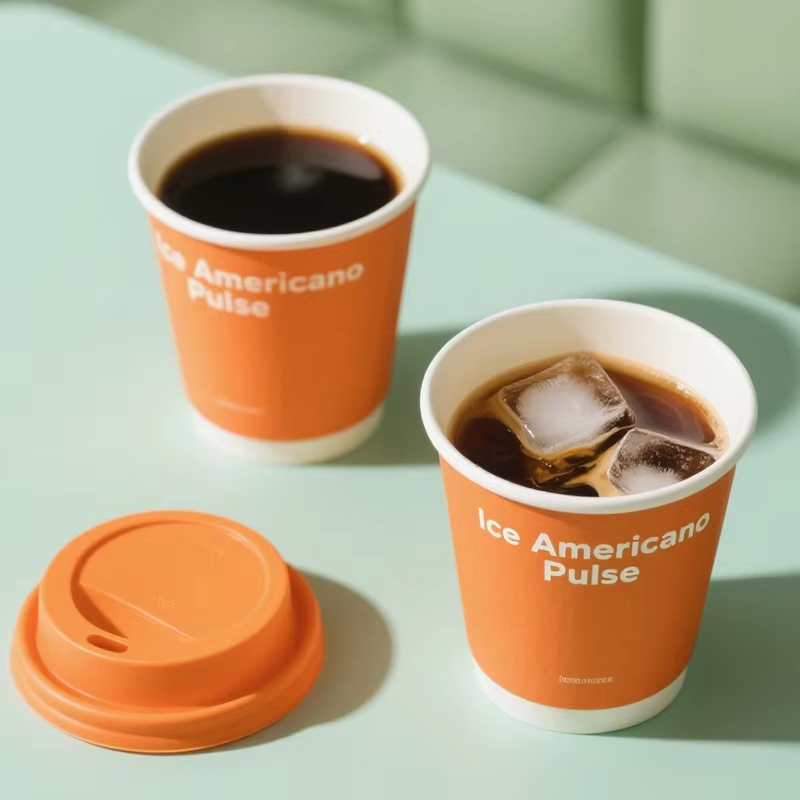
The design elements on your coffee paper cups must balance brand messaging with practical readability constraints. Curved printing surfaces and varying lighting conditions require bold, high-contrast designs that remain legible from multiple viewing angles. Simple, memorable graphics often perform better than complex detailed artwork when printed on disposable packaging.
Color selection should consider both brand guidelines and printing cost implications. Full-color printing typically costs more than limited color palettes, but the investment may be justified for brands requiring precise color matching. Consider how colors will appear under different lighting conditions, as coffee shops often feature warm ambient lighting that can affect color perception.
Incorporating Brand Messaging Strategically
Effective cup design incorporates brand messaging without overwhelming the visual presentation. QR codes linking to loyalty programs, social media handles, or promotional offers can extend customer engagement beyond the initial purchase. However, these elements should integrate seamlessly with the overall design rather than appearing as afterthoughts.
Seasonal variations in cup designs can maintain customer interest while demonstrating brand creativity and attention to current trends. Limited edition designs create urgency and collectibility that can drive additional sales and social media engagement. Planning seasonal designs well in advance ensures adequate lead times for printing and inventory management.
Size Selection and Operational Efficiency
Optimizing Cup Size Portfolio
The range of cup sizes you offer should reflect customer preferences while streamlining operational complexity. Most coffee businesses benefit from offering three core sizes that cover the majority of customer needs without overwhelming staff or complicating inventory management. Standard industry sizes include 8oz, 12oz, and 16oz options that accommodate different beverage types and consumption occasions.
Analyzing sales data helps identify which sizes generate the highest profit margins and customer satisfaction scores. Some businesses find that eliminating underperforming sizes reduces operational complexity while improving focus on bestselling options. However, maintaining size variety can support upselling strategies and accommodate diverse customer preferences.
Inventory and Storage Considerations
Cup storage requirements vary significantly based on size, quantity, and construction type. Double-wall cups typically require more storage space than single-wall alternatives, which can impact inventory costs and storage efficiency. Planning adequate storage space prevents quality degradation from moisture exposure or physical damage.
Minimum order quantities for custom-printed cups often favor larger orders that may strain storage capabilities for smaller businesses. Working with suppliers who offer reasonable minimum quantities or flexible delivery schedules can help balance customization benefits with practical storage limitations. Some businesses benefit from partnering with other local establishments to share custom printing orders and reduce individual minimums.
Sustainability and Environmental Impact
Evaluating Eco-Friendly Alternatives
Sustainable coffee paper cups options continue expanding as manufacturers develop new materials and coating technologies. Compostable cups made from renewable resources appeal to environmentally conscious consumers but require proper composting facilities to deliver promised environmental benefits. Understanding local waste management infrastructure helps determine whether compostable options provide genuine sustainability advantages.
Recyclable paper cups with water-based coatings can integrate with existing recycling programs in many markets. These options typically cost slightly more than traditional PE-coated alternatives but may qualify for sustainability certifications that support marketing efforts. FSC (Forest Stewardship Council) certified paper sources provide additional environmental credentials that resonate with conservation-minded customers.
Communicating Environmental Responsibility
Clear labeling on sustainable cup options helps customers understand proper disposal methods and reinforces your brand's environmental commitment. Educational messaging about recycling procedures or composting requirements demonstrates genuine concern for environmental outcomes rather than superficial greenwashing. This transparency builds trust and supports long-term customer relationships.
Partnering with local environmental organizations or participating in community sustainability initiatives can amplify the impact of choosing eco-friendly coffee paper cups. These partnerships create authentic storytelling opportunities that extend beyond product selection to demonstrate comprehensive environmental stewardship throughout your business operations.
Cost Analysis and Budget Planning
Understanding Total Cost Implications
The unit cost of coffee paper cups represents only one component of total packaging expenses. Additional costs include storage, handling, disposal, and potential sleeve requirements that can significantly impact overall profitability. Premium cup options with superior insulation may eliminate sleeve costs while improving customer experience, potentially justifying higher initial expenses.
Custom printing setup fees can substantially increase costs for small order quantities but become more economical as volumes increase. Businesses should evaluate whether custom branding justifies additional expenses compared to stock cup options with applied labels or stickers. Long-term brand building benefits may support higher initial investments in custom printing capabilities.
Supplier Relationship Management
Establishing reliable supplier relationships ensures consistent product availability and quality while potentially securing better pricing through volume commitments or long-term contracts. Multiple supplier relationships provide backup options during supply disruptions while creating competitive pressure that can improve terms and service levels.
Negotiating payment terms, delivery schedules, and quality guarantees helps optimize cash flow and operational efficiency. Suppliers who understand your business cycles and seasonal variations can provide valuable inventory planning support that reduces carrying costs while preventing stockouts during peak demand periods.
FAQ
What factors should I consider when choosing between single-wall and double-wall coffee paper cups?
Single-wall cups cost less initially but may require additional sleeves for hot beverages, potentially increasing total packaging costs. Double-wall cups provide better insulation and customer comfort without sleeves but cost more per unit. Consider your beverage temperatures, customer holding times, and brand positioning when making this decision. For premium brands or very hot beverages, double-wall construction often provides better customer experience and perceived value.
How can I ensure my custom cup design will print clearly on curved surfaces?
Work with experienced cup printing suppliers who understand the technical requirements for curved surface printing. Use bold, high-contrast designs with generous spacing between elements. Avoid fine details or small text that may become illegible during the printing process. Request physical samples before placing large orders to verify color accuracy and design clarity. Consider how the design will look when viewed from different angles as customers hold and drink from the cups.
Are biodegradable coffee cups actually better for the environment?
Biodegradable cups can be environmentally beneficial when proper composting infrastructure exists, but they may not decompose properly in regular landfills. Research your local waste management systems to understand whether biodegradable cups will actually receive appropriate treatment. In some cases, recyclable cups with water-based coatings may provide better environmental outcomes than biodegradable options that end up in landfills.
How do I determine the right cup sizes to offer my customers?
Analyze your sales data to identify popular beverage sizes and profit margins for different options. Most coffee businesses succeed with three core sizes (typically 8oz, 12oz, and 16oz) that cover the majority of customer preferences. Consider your beverage menu, target demographic, and consumption occasions when selecting sizes. Offering too many size options can complicate operations and inventory management without significantly improving sales.
Table of Contents
- Understanding Your Brand Identity Requirements
- Material and Construction Considerations
- Design and Customization Options
- Size Selection and Operational Efficiency
- Sustainability and Environmental Impact
- Cost Analysis and Budget Planning
-
FAQ
- What factors should I consider when choosing between single-wall and double-wall coffee paper cups?
- How can I ensure my custom cup design will print clearly on curved surfaces?
- Are biodegradable coffee cups actually better for the environment?
- How do I determine the right cup sizes to offer my customers?