
 EN
EN
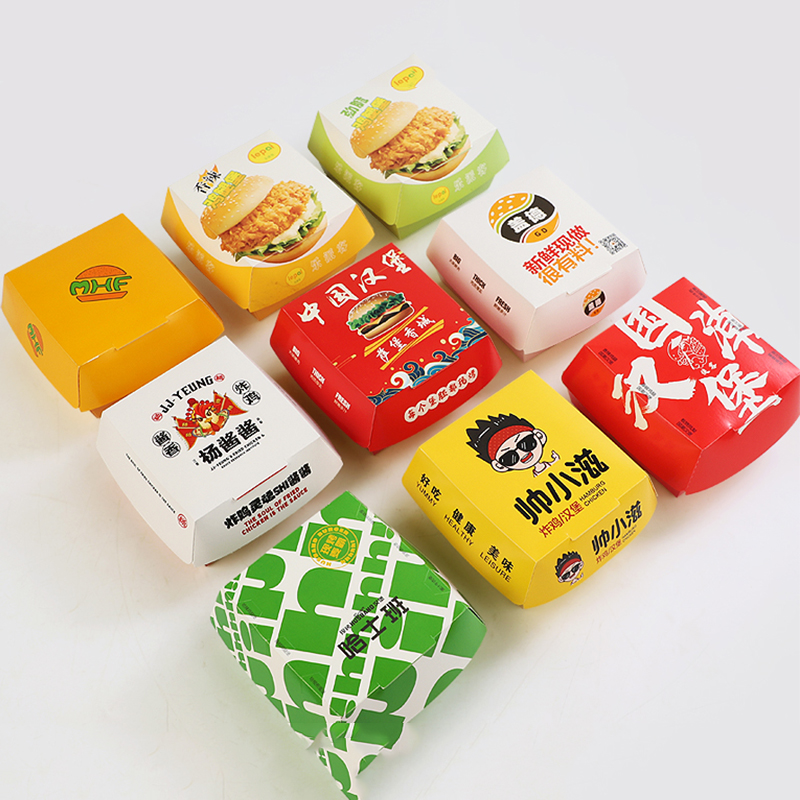
A burger box must withstand the demanding environment of fast food and restaurant use, where grease, moisture, and heat constantly challenge packaging integrity. The right materials determine whether your burger box maintains structural integrity from kitchen to customer hands, protecting both the product and the brand reputation. Understanding what makes a burger box resistant to grease and moisture is essential for food service businesses seeking reliable, cost-effective packaging solutions that preserve food quality while meeting food safety standards.
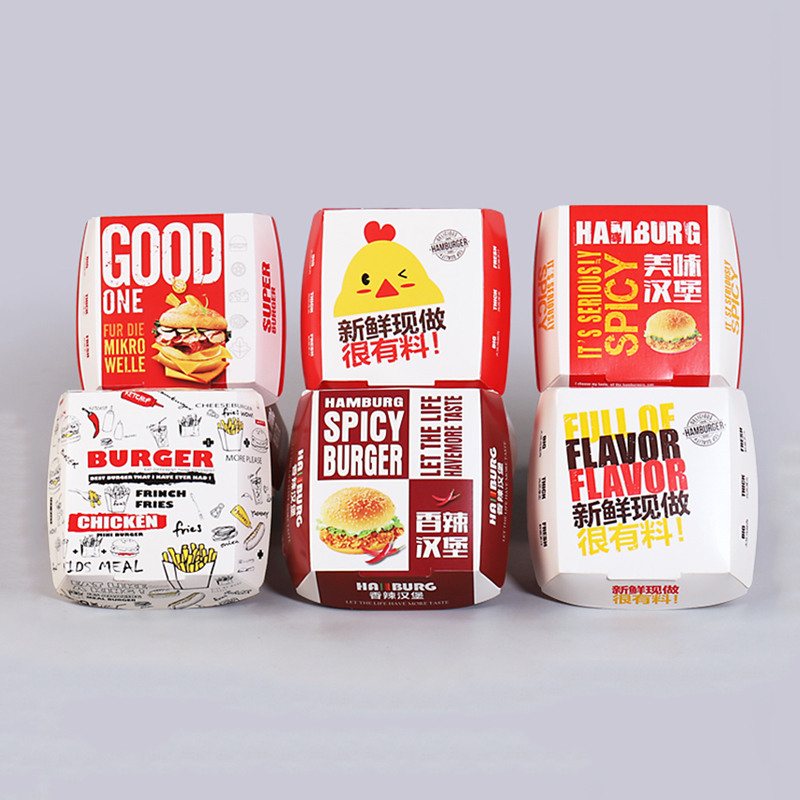
The construction of a high-quality burger box involves multiple material layers and specialized coatings designed to create a protective barrier against oil penetration and moisture absorption. Food-grade paperboard forms the structural foundation of most burger boxes, but the magic lies in the surface treatments and inner linings that transform standard cardboard into a durable, protective burger box. Modern burger box manufacturing combines innovative materials with proven coating technologies to deliver packaging that keeps burgers fresh, prevents soggy bottoms, and maintains visual appeal throughout the delivery and consumption experience.
Paperboard Base Materials for Burger Box Construction
Food-Grade Kraft Paper Selection
The foundation of any effective burger box starts with food-grade kraft paperboard, which serves as the primary structural material. Kraft paper offers natural strength and flexibility, allowing manufacturers to create a burger box that resists tearing and punctures during transport and handling. Food-grade kraft paperboard used in burger box production meets strict FDA and food safety regulations, ensuring no harmful chemicals leach into food products. The density and thickness of kraft paper selected for a burger box directly impact its grease and moisture resistance capabilities, with heavier weights providing superior barrier properties.
Multi-Layer Composition
Professional burger box designs employ multiple paperboard layers bonded together to create enhanced durability and barrier performance. A burger box typically consists of an outer layer for branding and visual appeal, middle layers for structural support, and an inner layer specifically treated to resist grease and moisture penetration. This layered approach in burger box construction allows manufacturers to optimize each component for its specific function while maintaining cost efficiency. The combination of layers in a burger box creates redundant protection, so even if one layer experiences minor damage, the burger box remains effective at preventing grease and moisture from compromising the product.
Grease-Resistant Coatings and Treatments
Silicone and Polymer Coatings
Silicone-based coatings represent one of the most effective solutions for creating a truly grease-resistant burger box that maintains performance under demanding conditions. These polymer treatments form a hydrophobic barrier on the burger box surface, causing oil and moisture to bead up rather than absorb into the paper fibers. Applied during the manufacturing process, silicone coatings on a burger box create a durable, food-safe layer that withstands repeated contact with fatty foods without degrading. The versatility of silicone-treated burger box options makes them ideal for everything from traditional burgers to specialty items with high fat content or liquid toppings.
Wax and Paraffin Alternatives
Traditional wax coatings have long served as an industry standard for burger box protection, offering reliable moisture and grease resistance at competitive prices. Paraffin wax applied to a burger box creates a barrier that repels oils while maintaining the paper's structural integrity and printability for branding and product information. Modern burger box manufacturers increasingly blend wax with other compounds to enhance performance while addressing environmental concerns and improving heat resistance. The wax coating on a burger box remains effective for several hours, protecting the product during storage, transport, and initial consumption phases.
Advanced Barrier Technologies for Premium Burger Box Solutions
Plastic and Polyethylene Laminates
High-performance burger box designs incorporate thin polyethylene or polypropylene film layers laminated directly to paperboard substrates, creating an exceptional moisture and grease barrier. These plastic laminates in a burger box setup provide superior protection compared to wax or silicone alone, particularly for extended holding periods or high-moisture applications. The plastic layer in a burger box prevents oil from penetrating the paper while maintaining the structural benefits of cardboard construction. Food-grade polyethylene films used in burger box production meet stringent safety standards and create a moisture barrier so effective that condensation remains outside the burger box rather than dripping onto the product.
Water-Based and Eco-Friendly Barrier Coatings
Environmental consciousness drives innovation in burger box materials, leading to development of water-based barrier coatings that deliver grease and moisture resistance without petroleum-derived components. Starch-based and plant-derived polymer coatings offer sustainable alternatives for burger box protection while maintaining food safety certifications and performance standards. A modern eco-friendly burger box can achieve four to six hour grease resistance using innovative aqueous coating systems that form effective barriers upon drying. These sustainable burger box solutions address both performance requirements and environmental impact considerations, making them increasingly popular among conscientious food service operators seeking responsible packaging alternatives.
Moisture Management in Burger Box Design
Ventilation and Condensation Control
Effective burger box design incorporates ventilation features that manage internal moisture without compromising the grease barrier, using strategic perforations or air channels that prevent condensation buildup. Proper ventilation in a burger box allows steam from hot items to escape gradually, reducing the moisture that would otherwise accumulate and soften the interior coating. The burger box structure balances competing demands: blocking liquid grease migration while permitting water vapor escape to maintain product quality. Engineers design burger box ventilation patterns to work with the coating system, ensuring that escape routes for moisture do not compromise the grease-resistant properties that protect the burger and fries from oil absorption.
Inner Lining Materials
The inner surface of a burger box receives special treatment with food-grade releases and moisture barriers that keep grease from migrating through the paperboard to the exterior. Parchment and specialty release paper linings inside a burger box create an additional defensive layer against oil penetration and moisture transfer. Advanced burger box designs use layered tissue combinations that absorb residual moisture while repelling grease, maintaining the food freshness and presentation quality throughout the service window. The selection of inner lining material for a burger box significantly influences both the product experience and the operational ease for food service staff.
Performance Standards and Testing for Burger Box Materials
Grease Resistance Testing Methods
Industry testing standards for burger box grease resistance include the FDA grease-rating test, which measures the time a burger box maintains integrity under contact with standard oil compounds. A burger box typically requires a minimum rating of four to six hours of direct oil contact without visible saturation or structural compromise. Laboratory testing simulates real-world conditions by placing fatty substances directly against burger box materials and measuring penetration rates over extended periods. These standardized tests ensure that burger box products marketed as grease-resistant actually deliver the protective performance promised to food service operators and consumers.
Moisture Resistance Verification
Humidity chamber testing evaluates how burger box materials perform when exposed to high-moisture environments, measuring dimensional stability and barrier integrity over extended periods. A burger box must maintain shape and protective properties even when saturated with external moisture from refrigeration or humid kitchens. Moisture vapor transmission rate testing quantifies how much water vapor passes through burger box materials under standardized conditions, helping manufacturers optimize the coating systems used in burger box production. Performance data from these burger box tests guides purchasing decisions and helps food service operators select packaging that matches their specific operational conditions and holding time requirements.
FAQ
What coating is best for a burger box that resists both grease and moisture?
Silicone-based coatings combined with polyethylene laminates provide the most effective burger box solution for dual grease and moisture resistance. This combination creates a burger box that repels oils while preventing moisture absorption and condensation penetration, maintaining product quality for extended holding periods. Manufacturers select the specific burger box coating based on holding time requirements, food type, and operational conditions, with premium applications often using multi-component barrier systems that exceed standard performance expectations.
How long does a burger box grease coating remain effective?
Standard burger box coatings typically maintain effective grease resistance for four to six hours of continuous product contact, though premium burger box options engineered for extended holding can extend this to eight to ten hours. The burger box coating degradation rate depends on several factors including oil saturation levels, temperature exposure, and moisture presence, which is why proper storage and handling extend burger box protective performance. Different burger box applications require different coating durability profiles, with drive-through operations choosing burger box options optimized for rapid delivery, while catering services selecting burger box materials designed for extended holding periods.
Are there eco-friendly alternatives that provide burger box grease resistance?
Yes, water-based and plant-derived barrier coatings now deliver effective grease and moisture resistance for burger box applications without relying on petroleum products. These sustainable burger box solutions use starch-based polymers and aqueous coating systems that meet food safety standards while reducing environmental impact compared to traditional wax or silicone burger box treatments. The performance of eco-friendly burger box materials has improved significantly, making sustainable burger box options increasingly viable for environmentally conscious food service operations without sacrificing product protection or operational reliability.