
 EN
EN
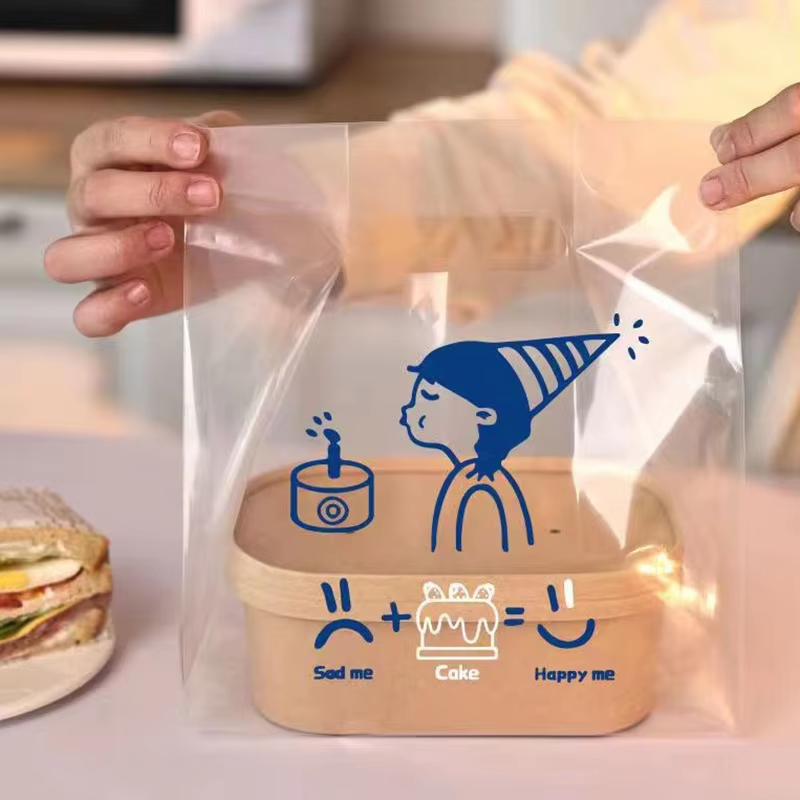
আজকের প্রতিযোগিতামূলক খাদ্য পরিষেবা শিল্পে, ব্যবসাগুলি লক্ষ্য করছে যে চমৎকার টেকাওয়ে প্যাকেজিং এটি তাদের ব্র্যান্ড পরিচয়ের একটি শক্তিশালী সম্প্রসারণ হিসাবে কাজ করে। মানসম্পন্ন টেকআউট প্যাকেজিং গ্রাহকদের আনুগত্য ও পুনরায় ক্রয়ে উৎসাহিত করে এমন একটি স্মরণীয় অভিজ্ঞতায় পরিণত করে সাধারণ খাবার ডেলিভারিকে। যখন গ্রাহকরা তাদের অর্ডারগুলি পেশাদারভাবে ডিজাইন করা এবং কার্যকরী প্যাকেজিং-এ পান, তখন এটি প্রতিষ্ঠানের উৎকর্ষের প্রতি প্রতিশ্রুতির প্রতিফলন ঘটায় এমন একটি তাৎক্ষণিক ইতিবাচক ছাপ তৈরি করে। প্যাকেজিংটি গ্রাহকের নিজস্ব পরিবেশে ব্র্যান্ড এবং গ্রাহকের মধ্যে প্রথম শারীরিক স্পর্শবিন্দুতে পরিণত হয়, যা স্থায়ী সম্পর্ক গঠনে এটিকে একটি গুরুত্বপূর্ণ উপাদান হিসাবে প্রতিষ্ঠিত করে।
আধুনিক ক্রেতারা আর শুধুমাত্র খাবারের মানের দ্বারা রেস্তোরাঁগুলি মূল্যায়ন করেন না, বরং অর্ডার করা থেকে শুরু করে খাওয়া পর্যন্ত সম্পূর্ণ অভিজ্ঞতার দ্বারা মূল্যায়ন করেন। প্রিমিয়াম টেকআউট প্যাকেজিং পেশাদারিত্ব এবং বিস্তারিত দৃষ্টি বোঝায়, যা ইঙ্গিত করে যে খাদ্য প্রস্তুতি এবং স্বাস্থ্যবিধির মানের ক্ষেত্রেও একই যত্ন নেওয়া হয়। এই ধারণা গ্রাহকদের সন্তুষ্টির স্কোর এবং অনলাইন রিভিউগুলিকে উল্লেখযোগ্যভাবে প্রভাবিত করে, যা পরোক্ষভাবে ভবিষ্যতের ব্যবসায়িক প্রবৃদ্ধির উপর প্রভাব ফেলে। উন্নত প্যাকেজিং সমাধানে বিনিয়োগ করা রেস্তোরাঁগুলি প্রায়শই গ্রাহক ধরে রাখার হার এবং গড় অর্ডার মানের ক্ষেত্রে পরিমাপযোগ্য উন্নতি লক্ষ্য করে।
প্যাকেজিং ধারণার পিছনের মনোবিজ্ঞান শুধুমাত্র পৃষ্ঠের সৌন্দর্যকে ছাড়িয়ে গভীরে চলে যায়। যখন ক্রেতারা ভালোভাবে নকশাকৃত টেকআউট প্যাকেজিং খোলেন, তখন এটি একটি সুন্দরভাবে মোড়ানো উপহার পাওয়ার মতো ইতিবাচক আবেগপ্রবণ প্রতিক্রিয়া সৃষ্টি করে। এই আনবক্সিং অভিজ্ঞতা খাবারটির মূল্য প্রথম কামড় দেওয়ার আগেই বাড়িয়ে দেয়। গবেষণায় দেখা গেছে যে, পরিবেশগত সচেতনতা এবং ব্র্যান্ডের পরিশীলিততার প্রতি ইঙ্গিত করে এমন প্যাকেজিং-এ সরবরাহ করা খাবারের জন্য ক্রেতারা প্রিমিয়াম মূল্য দিতে প্রস্তুত থাকেন।
প্যাকেজিং ডিজাইনের মাধ্যমে ব্র্যান্ড পরিচয়
দৃশ্যমান ব্র্যান্ড চেনা
কার্যকর টেকআউট প্যাকেজিং একটি চলমান বিলবোর্ডের মতো কাজ করে যা রেস্তোরাঁর শারীরিক অবস্থানের বাইরেও ব্র্যান্ডের দৃশ্যমানতা বাড়িয়ে তোলে। সঙ্গতিপূর্ণ লোগো, রঙের সমন্বয় এবং টাইপোগ্রাফি সহ কাস্টম-নকশাকৃত প্যাকেজিং গ্রাহক প্রতিবার অর্ডার করার সময় ব্র্যান্ড চেনার অভিজ্ঞতাকে জোরদার করে। যখন প্যাকেজিং ডিজাইন রেস্তোরাঁর ভেতরের সজ্জা এবং মার্কেটিং উপকরণের সাথে সামঞ্জস্যপূর্ণ হয়, তখন এটি একটি সামগ্রিক ব্র্যান্ড অভিজ্ঞতা তৈরি করে যা গ্রাহকরা মনে রাখে এবং এটিকে মানের সাথে যুক্ত করে। এই দৃশ্যমান সামঞ্জস্যতা প্রতিষ্ঠানগুলিকে ভিড় পূর্ণ খাবার ডেলিভারি বাজারে আলাদা করে তোলে, যেখানে পার্থক্য ক্রমাগত চ্যালেঞ্জিং হয়ে উঠছে।
প্যাকেজিংয়ে ব্র্যান্ডের রং এবং ডিজাইন উপাদানগুলির কৌশলগত ব্যবহার ভবিষ্যতের কেনাকাটার সিদ্ধান্তকে প্রভাবিত করে এমন অবচেতন সংযোগ তৈরি করে। যেসব গ্রাহক মনে রাখার মতো নিয়ে যাওয়ার প্যাকেজিং পান, তারা রেস্তোরাঁটি বন্ধুদের ও পরিবারের সদস্যদের কাছে সুপারিশ করার সম্ভাবনা বেশি রাখেন, ফলে প্রতিটি ডেলিভারিকে একটি বিপণনের সুযোগে পরিণত করা হয়। প্যাকেজিং একটি আলোচনার সূত্রপাত ঘটায় যা স্বতঃস্ফূর্ত মৌখিক প্রচার তৈরি করে, যা রেস্তোরাঁ বিপণনের সবচেয়ে কার্যকর রূপগুলির মধ্যে একটি হিসাবে বিদ্যমান থাকে।
উপাদানের মান এবং ব্র্যান্ড ধারণা
প্যাকেজিং উপকরণের পছন্দ গ্রাহকদের ব্র্যান্ডের মান এবং মূল্যবোধ সম্পর্কে ধারণা কীভাবে তৈরি হয় তার উপর সরাসরি প্রভাব ফেলে। ক্রাফট কাগজ, জৈব বিযোজ্য প্লাস্টিক বা টেকসই কার্ডবোর্ডের মতো প্রিমিয়াম উপকরণগুলি পরিবেশগত দায়িত্ব এবং মানের প্রতি সচেতনতার বার্তা প্রেরণ করে। গ্রাহকরা ক্রমশ সেইসব ব্যবসাগুলিকে পছন্দ করেন যারা তাদের প্যাকেজিং পছন্দের মাধ্যমে টেকসই উন্নয়নের প্রতি প্রতিশ্রুতি দেখায়, এমন সিদ্ধান্তগুলিকে সামগ্রিক কর্পোরেট দায়িত্বের সূচক হিসাবে দেখেন। গ্রাহকদের মূল্যবোধের সাথে এই সামঞ্জস্য আবেগগত সংযোগকে শক্তিশালী করে এবং সময়ের সাথে সাথে ব্র্যান্ড অনুগত্য গড়ে তোলে।
খাবারের তাপমাত্রা বজায় রাখে এমন এবং ছড়ানো রোধ করে এমন টেকসই টেকআউট প্যাকেজিং পরিচালনার দক্ষতা এবং গ্রাহকদের প্রতি যত্নের প্রতিফলন ঘটায়। যখন পরিবহন এবং সংরক্ষণের সময় প্যাকেজিং ভালো কাজ করে, তখন এটি সামগ্রিক খাওয়ার অভিজ্ঞতাকে উন্নত করে এবং গ্রাহকদের অভিযোগ কমায়। খারাপ প্যাকেজিং যা অগোছালো ডেলিভারি বা তাপমাত্রা হারানোর কারণ হয় তা নেতিবাচক সংযোগ তৈরি করে যা খাদ্যের মান সত্ত্বেও ব্র্যান্ডের খ্যাতি স্থায়ীভাবে ক্ষতিগ্রস্ত করতে পারে।
ফুড ডেলিভারিতে কার্যকর উৎকৃষ্টতা
তাপমাত্রা এবং সতেজতা সংরক্ষণ
উচ্চমানের টেকআউট প্যাকেজিং-এ এমন নকশা বৈশিষ্ট্য অন্তর্ভুক্ত থাকে যা পরিবহনের সময় খাবারের আদর্শ তাপমাত্রা বজায় রাখে, যাতে গ্রাহকরা রান্নাঘরের মূল উদ্দেশ্য অনুযায়ী খাবার পান। তাপ-নিরোধক পাত্র, বাষ্প নিষ্কাশন ব্যবস্থা এবং আর্দ্রতা-প্রতিরোধী উপকরণগুলি রান্নাঘর থেকে গ্রাহকদের কাছে খাবারের গুণমান সংরক্ষণে একত্রে কাজ করে। এই কার্যকর উৎকৃষ্টতা সরাসরি গ্রাহকদের সন্তুষ্টির উপর প্রভাব ফেলে এবং ঠাণ্ডা বা ভিজে খাবারের মতো অভিযোগ কমায়, যা সাধারণ সমস্যা হিসাবে গ্রাহকদের প্রতিযোগীদের কাছে নিয়ে যায়।
উন্নত প্যাকেজিং সমাধানে বিভাগীয় ডিজাইন অন্তর্ভুক্ত থাকে যা বিভিন্ন খাদ্য উপাদানগুলিকে মিশ্রিত হওয়া বা একে অপরের টেক্সচার ও তাপমাত্রাকে প্রভাবিত করা থেকে রোধ করে। এই চিন্তাশীল ডিজাইন উপাদানগুলি গ্রাহকদের দ্বারা লক্ষ্য করা হয় এবং প্রশংসিত হয় যা বিস্তারিত বিষয়ে মনোযোগ দেখায়। যখন টেকআউট প্যাকেজিং ধারাবাহিকভাবে খাবারটিকে আদর্শ অবস্থায় পৌঁছে দেয়, তখন রেস্তোরাঁর ডেলিভারি ক্ষমতার প্রতি আস্থা ও আত্মবিশ্বাস তৈরি হয়, যা গ্রাহকদের আরও ঘনঘন অর্ডার করতে এবং নতুন মেনু আইটেম চেষ্টা করতে উৎসাহিত করে।
সুবিধা এবং ব্যবহারকারীর অভিজ্ঞতা
ভালোভাবে ডিজাইন করা টেকআউট প্যাকেজিং সহজে খোলা যায় এমন ট্যাব, নিরাপদ বন্ধ করার ব্যবস্থা এবং স্ট্যাক করা যায় এমন ডিজাইনের মতো বৈশিষ্ট্যগুলির মাধ্যমে গ্রাহকের সুবিধাকে অগ্রাধিকার দেয়। এই ব্যবহারকারী-বান্ধব উপাদানগুলি ব্যবহারকারীদের হতাশা কমায় এবং সামগ্রিক খাওয়ার অভিজ্ঞতা উন্নত করে, বিশেষ করে তাদের ক্ষেত্রে যারা তাদের ডেস্ক বা গাড়িতে খাচ্ছেন। যে প্যাকেজিং নোংরা বা অসুবিধা ছাড়াই সহজ খাওয়ার সুযোগ করে দেয় তা গ্রাহকদের চাহিদা এবং জীবনযাত্রার প্রতি বোঝার প্রমাণ দেয়।
স্মার্ট প্যাকেজিং ডিজাইন ডেলিভারি হ্যান্ডলিং থেকে শুরু করে বর্জ্য নিষ্পত্তি বা পুনঃব্যবহার পর্যন্ত গ্রাহকের সম্পূর্ণ অভিজ্ঞতাকে বিবেচনায় আনে। এমন পাত্র যা দ্বৈত উদ্দেশ্য পূরণ করে, যেমন অবশিষ্ট খাবারের জন্য মাইক্রোওয়েভ-নিরাপদ ডিজাইন বা সংরক্ষণের জন্য পুনঃব্যবহারযোগ্য পাত্র, গ্রাহকদের মনে রাখার মতো অতিরিক্ত মূল্য যোগ করে। এই অতিরিক্ত কার্যকারিতা টেকআউট প্যাকেজিংকে একটি ফেলে দেওয়ার প্রয়োজনীয়তা থেকে একটি কার্যকর পণ্যে রূপান্তরিত করে যা খাবারের পরেও ব্র্যান্ডের সঙ্গে মিথস্ক্রিয়াকে ধারাবাহিক রাখে।
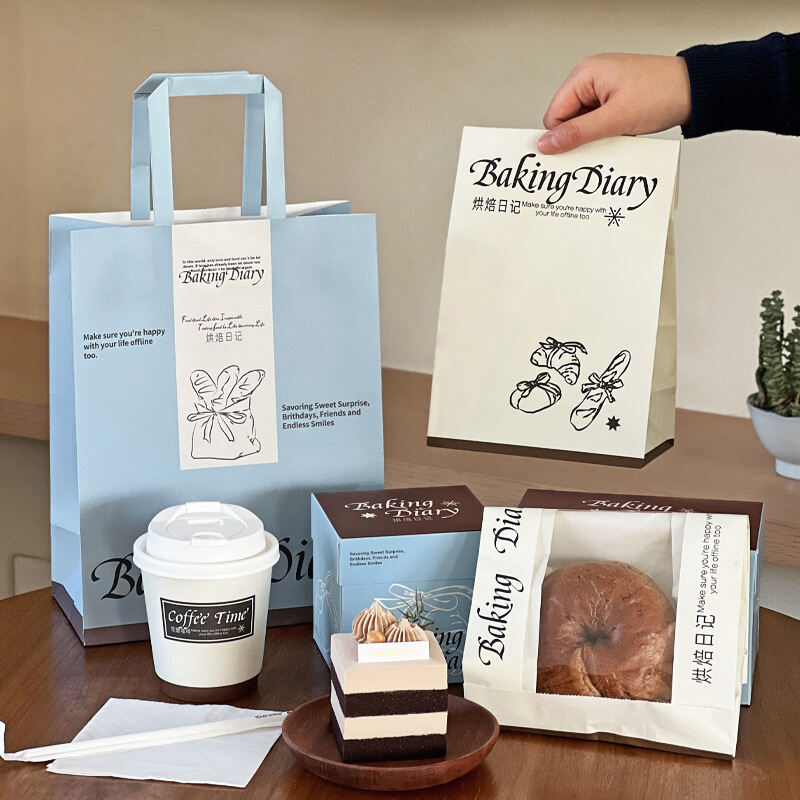
পরিবেশগত দায়িত্ব এবং গ্রাহকের মূল্যবোধ
পরিবেশ সচেতন উপাদানের বাছাই
আধুনিক গ্রাহকরা তাদের অর্থ খরচ করার সময় পরিবেশগত টেকসইত্বকে ক্রমাগত অগ্রাধিকার দিচ্ছেন, যা পরিবেশবান্ধব টেকআউট প্যাকেজিংকে একটি প্রতিযোগিতামূলক সুবিধায় পরিণত করে। জৈব বিযোজ্য, কম্পোস্টযোগ্য বা পুনর্ব্যবহারযোগ্য প্যাকেজিং উপকরণ কোম্পানির দায়িত্বশীলতা প্রদর্শন করে এবং খাওয়াদাওয়াকারীদের মধ্যে বৃদ্ধি পাওয়া পরিবেশগত সচেতনতার সঙ্গে সামঞ্জস্য রাখে। যে সমস্ত রেস্তোরাঁ সক্রিয়ভাবে টেকসই প্যাকেজিং সমাধান গ্রহণ করে, তারা প্রায়শই পরিবেশবান্ধব মানসিকতা সম্পন্ন গ্রাহকদের আকর্ষণ করে যারা ব্র্যান্ডের জন্য আনুগত্যপূর্ণ পক্ষ হয়ে ওঠে।
টেকসই টেকআউট প্যাকেজিং-এর দিকে পরিবর্তন পরিবেশগত সচেতনতা এবং দায়িত্বের ক্ষেত্রে বৃহত্তর সামাজিক পরিবর্তনকে নির্দেশ করে। গ্রাহকরা প্যাকেজিংয়ের পছন্দকে একটি রেস্তোরাঁর মূল্যবোধ এবং দীর্ঘমেয়াদী চিন্তাভাবনার সূচক হিসাবে দেখেন এবং যে ব্যবসাগুলি তাদের পরিবেশগত প্রভাব বিবেচনা করে তাদের পছন্দ করেন। এই পছন্দটি একক ক্রয় সিদ্ধান্তের পাশাপাশি কর্পোরেট ক্যাটারিং পছন্দ এবং ইভেন্ট পরিকল্পনাকেও প্রভাবিত করে, যেখানে পরিবেশগত বিবেচনা ক্রমাগতভাবে বিক্রেতা নির্বাচনে ভূমিকা পালন করছে।
বর্জ্য হ্রাস এবং দক্ষতা
দক্ষ টেকআউট প্যাকেজিং ডিজাইন খাদ্যের সুরক্ষা বজায় রাখার পাশাপাশি অপচয় কমায় এবং কার্যকারিতা সর্বোচ্চ করে, যা পরিচালন দক্ষতা এবং খরচ সম্পর্কে সচেতনতা প্রদর্শন করে। উপযুক্ত আকারের পাত্রগুলি অপ্রয়োজনীয় উপাদান ব্যবহার বন্ধ করে দেয় কিন্তু খাদ্য নিরাপত্তা বজায় রাখে, যা পরিবেশগত এবং অর্থনৈতিক দক্ষতা উভয় ক্ষেত্রেই মনোযোগ দেওয়ার প্রমাণ দেয়। এই ভারসাম্যটি গ্রাহকদের কাছে আবেদন করে যারা চিন্তাশীল সম্পদ ব্যবস্থাপনা এবং টেকসই ব্যবসায়িক অনুশীলনকে পছন্দ করেন।
উদ্ভাবনী প্যাকেজিং সমাধান যা মোট অপচয় কমায়, যেমন খাবারের জন্য উপযুক্ত পাত্র বা একাধিক ব্যবহারযোগ্য ডিজাইন, সেগুলি সোশ্যাল মিডিয়ায় আলোচনার বিষয় তৈরি করে এবং গ্রাহকদের আকৃষ্ট করে। টেকঅ্যাওয়ে প্যাকেজিং-এর জন্য এই ধরনের সৃজনশীল পদ্ধতি আধুনিক চিন্তাভাবনা সম্পন্ন রেস্তোরাঁগুলিকে টেকসই উদ্ভাবনের ক্ষেত্রে শিল্পের নেতা হিসাবে প্রতিষ্ঠিত করে। অনন্য প্যাকেজিং সমাধান থেকে পাওয়া ইতিবাচক প্রচার প্রায়শই ঐতিহ্যগত মার্কেটিং চ্যানেলগুলির বাইরেও ব্র্যান্ডের পৌঁছানোকে বাড়িয়ে দেয়।
মার্কেটিং এবং গ্রাহক অর্জন
সোশ্যাল মিডিয়া এবং ভিজ্যুয়াল মার্কেটিং
ইনস্টাগ্রাম-উপযোগী টেকঅ্যাওয়ে প্যাকেজিং গ্রাহকদের সোশ্যাল মিডিয়া প্ল্যাটফর্মগুলিতে তাদের খাওয়ার অভিজ্ঞতা শেয়ার করতে উৎসাহিত করে, যা নতুন সম্ভাব্য গ্রাহকদের কাছে পৌঁছানোর জন্য স্ব-উৎপাদিত মার্কেটিং কনটেন্ট তৈরি করে। ছবির জন্য আকর্ষক উপাদান সহ দৃষ্টিনন্দন প্যাকেজিং ডিজাইন সামাজিক মাধ্যমে শেয়ার করার সম্ভাবনা বাড়িয়ে দেয়, ফলে সন্তুষ্ট গ্রাহকরা স্বয়ংক্রিয়ভাবে ব্র্যান্ডের প্রচারকে পরিণত হন। এই ব্যবহারকারী-উৎপাদিত কনটেন্ট গ্রাহকদের ক্রয় সিদ্ধান্তকে ঐতিহ্যগত বিজ্ঞাপনের চেয়ে বেশি কার্যকরভাবে প্রভাবিত করে এমন প্রামাণিক সমর্থন প্রদান করে।
হ্যাশট্যাগ, কিউআর কোড বা সোশ্যাল মিডিয়া হ্যান্ডেল অন্তর্ভুক্ত করে এমন কৌশলগত প্যাকেজিং ডিজাইন ডিজিটাল এনগেজমেন্টকে উৎসাহিত করে এবং ব্র্যান্ডের চারপাশে অনলাইন কমিউনিটি গঠনে সাহায্য করে। এই ইন্টারঅ্যাকটিভ উপাদানগুলি শারীরিক এবং ডিজিটাল গ্রাহক অভিজ্ঞতার মধ্যে সেতুবন্ধন তৈরি করে, চলমান সম্পর্ক গঠনের জন্য একাধিক টাচপয়েন্ট তৈরি করে। এই ডিজিটাল মিথস্ক্রিয়ার মাধ্যমে সংগৃহীত তথ্য ভবিষ্যতের বিপণন ক্যাম্পেইন এবং মেনু উন্নয়নের জন্য মূল্যবান অন্তর্দৃষ্টি প্রদান করে।
স্মরণীয় অভিজ্ঞতার মাধ্যমে গ্রাহক ধরে রাখা
অসাধারণ টেকআউট প্যাকেজিং সেই স্মরণীয় মুহূর্তগুলি তৈরি করে যা গ্রাহকরা ইতিবাচক আবেগ এবং গুণগত অভিজ্ঞতার সাথে যুক্ত করে। এই আবেগীয় সংযোগগুলি মূল্যের চেয়ে খরচের উপর ভিত্তি করে স্থায়ী গ্রাহক সম্পর্ক গঠন করে, মূল্যের চেয়ে বেশি কার্যকরভাবে পুনরাবৃত্তি ব্যবসায় চালিত করে। গুণগত প্যাকেজিংয়ে বিনিয়োগ প্রায়শই গ্রাহকের আজীবন মূল্য বৃদ্ধি এবং গ্রাহক অর্জনের জন্য কম বিপণন খরচের মাধ্যমে ফেরত দেয়।
ধন্যবাদ জানানোর বার্তা বা মৌসুমি ডিজাইনের মতো ব্যক্তিগতকৃত প্যাকেজিংয়ের উপাদানগুলি আবেগগত সংযোগ তৈরি করে যা লেনদেনের সম্পর্ককে ব্যক্তিগত সম্পর্কে রূপান্তরিত করে। এই ধরনের ছোঁয়া দেখায় যে রেস্তোরাঁটি ব্যক্তিগত গ্রাহকদের মূল্য দেয় এবং তাদের অভিজ্ঞতা উন্নত করার জন্য বিশদের প্রতি মনোযোগ দেয়। এমন ব্যক্তিগতকরণের প্রচেষ্টার ফলে প্রায়শই গ্রাহকদের পর্যালোচনা ও সুপারিশ উন্নত হয়, যা নতুন ব্যবসায়িক বৃদ্ধির জন্য ভিত্তি তৈরি করে।
প্রিমিয়াম প্যাকেজিংয়ের খরচ-উপকারিতা বিশ্লেষণ
বিনিয়োগের আয় এবং লাভজনকতা
প্রিমিয়াম টেকআউট প্যাকেজিংয়ের জন্য মৌলিক বিকল্পগুলির তুলনায় প্রাথমিক বিনিয়োগ বেশি প্রয়োজন হলেও গ্রাহকদের সন্তুষ্টি, অব্যাহত থাকা এবং প্রিমিয়াম মূল্য নির্ধারণের মাধ্যমে প্রাপ্তি সাধারণত খরচের যথার্থতা প্রমাণ করে। প্রিমিয়াম অবস্থান সমর্থনের জন্য প্যাকেজিংয়ের মান যখন উন্নত হয়, রেস্তোরাঁগুলি সাধারণত উচ্চতর ডেলিভারি ফি এবং মেনু মূল্য চার্জ করতে পারে। উৎকৃষ্ট প্যাকেজিংয়ের মাধ্যমে তৈরি ব্র্যান্ড ধারণা ব্যবসাগুলিকে মূল্যের উপর প্রতিযোগিতা করার সুযোগ দেয়, মূল্য নয়, যা সময়ের সাথে লাভের হার উন্নত করে।
প্যাকেজিং ব্যর্থতা কমে যাওয়ায় গ্রাহকদের অভিযোগ এবং প্রত্যাবর্তনও কমে, যা পরিচালন খরচ এবং সমস্যা সমাধানে কর্মীদের সময় কমায়। উচ্চমানের টেকআউট প্যাকেজিং যা খাবার উল্টে যাওয়া রোধ করে, তাপমাত্রা ঠিক রাখে এবং খাদ্যের গুণগত মান রক্ষা করে, তা ফেরত দেওয়ার অনুরোধ এবং ব্র্যান্ডের খ্যাতি নষ্ট করে এমন নেতিবাচক পর্যালোচনা কমায়। এই ধরনের পরিচালন দক্ষতা সময়ের সাথে জমা হয় এবং প্রাথমিক প্যাকেজিং বিনিয়োগকে ক্ষতিপূরণ দেবার মতো উল্লেখযোগ্য খরচ সাশ্রয় তৈরি করে।
প্রতিযোগিতামূলক পার্থক্যের মূল্য
খাদ্য ডেলিভারির অতিপূর্ণ বাজারগুলিতে, উৎকৃষ্ট টেকআউট প্যাকেজিং এমন এক স্পষ্ট পার্থক্য তৈরি করে যা প্রতিযোগীরা অনুরূপ বিনিয়োগ ছাড়া সহজে অনুকরণ করতে পারে না। এই প্রবেশনিষেধ প্রতিষ্ঠিত হওয়ার পর বাজার অংশ এবং গ্রাহকের সম্পর্ক রক্ষায় সাহায্য করে। যেসব রেস্তোরাঁ অসাধারণ প্যাকেজিং গুণমানের জন্য পরিচিত তারা প্রায়শই বিশেষ অনুষ্ঠান, কর্পোরেট ইভেন্ট এবং উপহারের অর্ডারের ক্ষেত্রে পছন্দের পছন্দ হয়ে ওঠে যেখানে উপস্থাপনার বিশেষ গুরুত্ব থাকে।
ধারাবাহিক প্যাকেজিং উৎকর্ষের সমষ্টিগত প্রভাব ব্র্যান্ড ইক্যুইটি তৈরি করে, যা সম্প্রসারণ বা বিক্রয়ের সুযোগে ব্যবসায়িক মূল্যে পরিণত হয়। প্রতিষ্ঠিত প্যাকেজিং ব্যবস্থা এবং সরবরাহকারীদের সাথে সম্পর্ক মূল্যবান সম্পদে পরিণত হয় যা একাধিক স্থানে অপারেশন বাড়াতে এবং গুণমানের মান বজায় রাখতে সহায়তা করে। টেকঅ্যাওয়ে প্যাকেজিং-এ এই ব্যবস্থাগত পদ্ধতি দীর্ঘস্থায়ী প্রতিযোগিতামূলক সুবিধা তৈরি করে যা সময়ের সাথে সাথে জমা হয়।
FAQ
রেস্তোরাঁগুলির উচ্চমানের টেকঅ্যাওয়ে প্যাকেজিংয়ের জন্য কত বাজেট রাখা উচিত
সবচেয়ে সফল রেস্তোরাঁগুলি মোট খাদ্য খরচের 3-7% প্যাকেজিংয়ের জন্য বরাদ্দ করে, আরও ভালোমানের উপকরণ এবং কাস্টম ডিজাইনের জন্য প্রিমিয়াম প্রতিষ্ঠানগুলি প্রায়শই 10% পর্যন্ত বিনিয়োগ করে। লাভের হারের সঙ্গে প্যাকেজিংয়ের মান সামঞ্জস্য করার মাধ্যমে এবং গ্রাহকদের সন্তুষ্টি ও অব্যাহত রাখার মাধ্যমে পরিমাপযোগ্য ফলাফল অর্জনের মাধ্যমে এই বিনিয়োগ নিশ্চিত করাই হলো মূল কথা। মূল প্যাকেজিং উন্নতি দিয়ে শুরু করে গ্রাহকদের প্রতিক্রিয়ার ভিত্তিতে ধীরে ধীরে উন্নয়ন করা বাজেট ব্যবস্থাপনার জন্য একটি টেকসই পদ্ধতি।
বিভিন্ন ধরনের খাবারের জন্য কোন প্যাকেজিং উপকরণ সবচেয়ে ভালো কাজ করে
খাবারের ধরন টেকআউট প্যাকেজিংয়ের উপযুক্ত উপাদানের পছন্দ নির্ধারণ করে, যেখানে গরম খাবারের জন্য তাপ-নিরোধক পাত্র প্রয়োজন, ভাজা খাবারের জন্য বায়ুচলাচলযুক্ত ডিজাইন এবং ঝোলযুক্ত খাবারের জন্য ফাঁসরহিত সমাধান প্রয়োজন। শুষ্ক খাবার ও স্যান্ডউইচের জন্য ক্রাফট কাগজ খুব ভালো কাজ করে, আবার ঝোল বা ঘন আঁশযুক্ত খাবারের জন্য জৈব বিয়োজ্য প্লাস্টিকের পাত্র উপযুক্ত। সর্বোত্তম উপায় হল প্রকৃত মেনু আইটেমগুলির সাথে বিভিন্ন উপকরণ পরীক্ষা করা যাতে ডেলিভারির সময় তাপমাত্রা ধরে রাখা এবং উপস্থাপনা নিশ্চিত করা যায়।
ছোট রেস্তোরাঁগুলি প্যাকেজিংয়ের মানের বিষয়ে বড় চেইনগুলির সাথে কীভাবে প্রতিযোগিতা করতে পারে
ছোট রেস্তোরাঁগুলি স্থানীয় সরবরাহকারীদের কাছ থেকে এবং বড় চেইনগুলির পক্ষে যা সহজে অনুকরণ করা সম্ভব হয় না তার কারণ হল তাদের পরিসর এবং মানদণ্ডের প্রয়োজনীয়তা, এমন কাস্টম প্যাকেজিং সমাধানগুলি ব্যবহার করতে পারে। অনন্য ডিজাইন উপাদান, ব্যক্তিগতকৃত স্পর্শ এবং টেকসই উপকরণের ওপর মনোনিবেশ করে স্বাধীন প্রতিষ্ঠানগুলি নিজেদের আলাদা করে তুলতে পারে এবং গ্রাহকদের সঙ্গে আরও শক্তিশালী আবেগগত সংযোগ গড়ে তুলতে পারে। প্যাকেজিংয়ের মান বজায় রেখে খরচ কমানোর জন্য অন্যান্য স্থানীয় ব্যবসার সঙ্গে যৌথভাবে বড় পরিমাণে ক্রয় করা যেতে পারে।
রেস্তোরাঁগুলিকে প্যাকেজিং সরবরাহকারীদের কাছ থেকে কোন পরিবেশগত সার্টিফিকেশন খুঁজতে হবে
বিশ্বস্ত টেকঅ্যাওয়ে প্যাকেজিং সরবরাহকারীদের কাগজের পণ্যের জন্য FSC (ফরেস্ট স্টুয়ার্ডশিপ কাউন্সিল), BPI (বায়োডিগ্রেডেবল পণ্য উপকরণগুলি পরিবেশ ও নিরাপত্তা মানগুলি পূরণ করে এবং পরিবেশ-সচেতন গ্রাহকদের সাথে বিপণন বিশ্বাসযোগ্যতা প্রদান করে এমন সারবস্তুর উপযুক্ত উপকরণ এবং খাদ্য সংস্পর্শের নিরাপত্তার জন্য FDA অনুমোদনের জন্য প্রতিষ্ঠান। সরবরাহকারীদের উচিত নিষ্কাশন নির্দেশাবলী এবং কম্পোস্টিং নির্দেশিকা স্পষ্টভাবে প্রদান করা, যাতে রেস্তোরাঁগুলি তাদের গ্রাহকদের সঠিক বর্জ্য ব্যবস্থাপনা সম্পর্কে শিক্ষা দিতে পারে।
সূচিপত্র
- প্যাকেজিং ডিজাইনের মাধ্যমে ব্র্যান্ড পরিচয়
- ফুড ডেলিভারিতে কার্যকর উৎকৃষ্টতা
- পরিবেশগত দায়িত্ব এবং গ্রাহকের মূল্যবোধ
- মার্কেটিং এবং গ্রাহক অর্জন
- প্রিমিয়াম প্যাকেজিংয়ের খরচ-উপকারিতা বিশ্লেষণ
-
FAQ
- রেস্তোরাঁগুলির উচ্চমানের টেকঅ্যাওয়ে প্যাকেজিংয়ের জন্য কত বাজেট রাখা উচিত
- বিভিন্ন ধরনের খাবারের জন্য কোন প্যাকেজিং উপকরণ সবচেয়ে ভালো কাজ করে
- ছোট রেস্তোরাঁগুলি প্যাকেজিংয়ের মানের বিষয়ে বড় চেইনগুলির সাথে কীভাবে প্রতিযোগিতা করতে পারে
- রেস্তোরাঁগুলিকে প্যাকেজিং সরবরাহকারীদের কাছ থেকে কোন পরিবেশগত সার্টিফিকেশন খুঁজতে হবে