
 EN
EN
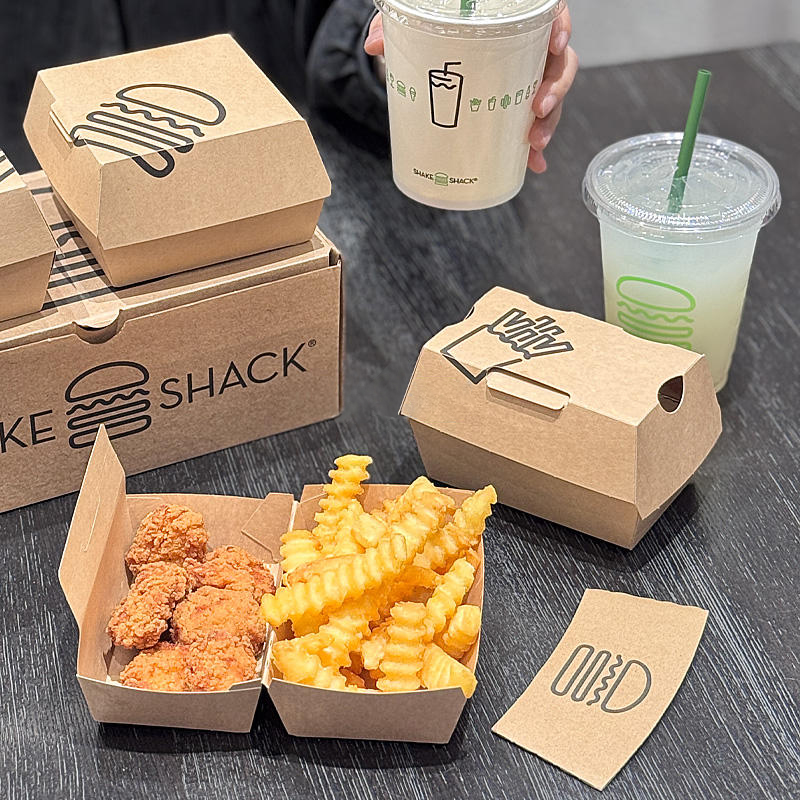
Η βιομηχανία εστιατορίων βιώνει μια σημαντική μετάβαση προς βιώσιμες πρακτικές, και πουθενά αυτή η μεταμόρφωση δεν είναι πιο ορατή από την υιοθέτηση φιλικών προς το περιβάλλον πακέτο-ψωμιού πακέτο . Τα εστιατόρια, τα καταστήματα γρήγορης εξυπηρέτησης και οι υπηρεσίες παράδοσης τροφίμων αναγνωρίζουν όλο και περισσότερο ότι ένα κουτί μπέργκερ δεν είναι πλέον απλώς ένα δοχείο για τρόφιμα· έχει γίνει ένα κρίσιμο σημείο επαφής για τις αξίες της μάρκας και την περιβαλλοντική ευθύνη. Αυτή η εξέλιξη αντανακλά τις αλλαγμένες προσδοκίες των καταναλωτών, τις ρυθμιστικές πιέσεις και μια πραγματική επιχειρηματική λογική για τη χρήση βιώσιμων λύσεων κουτιών μπέργκερ που ωφελούν τόσο τις λειτουργίες όσο και τον πλανήτη.
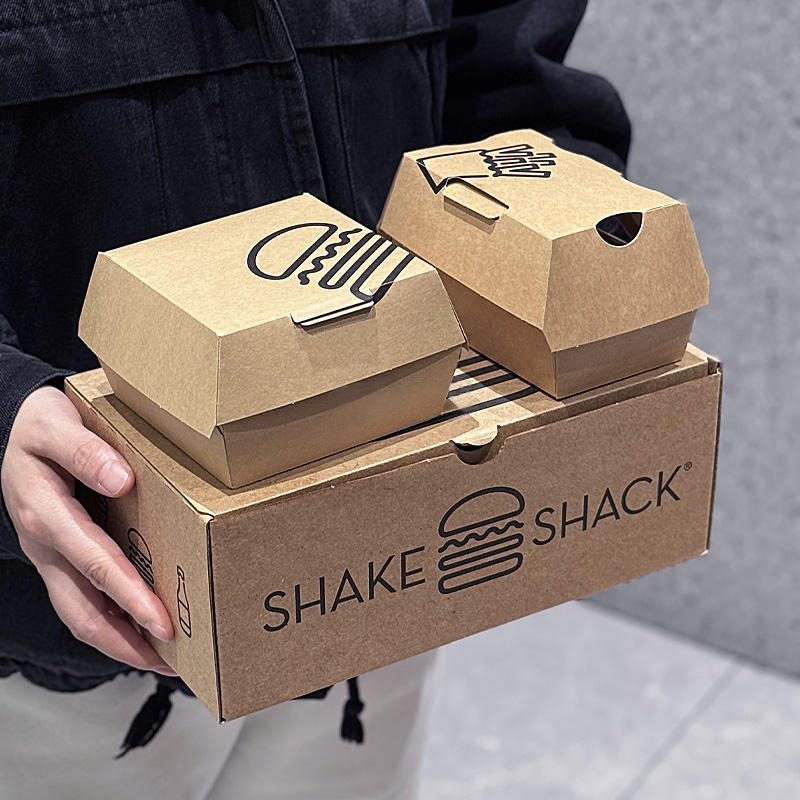
Για να κατανοήσουμε γιατί η οικολογικά φιλική συσκευασία για μπουργκέρ έχει γίνει κυρίαρχη, πρέπει να εξετάσουμε τις δυνάμεις που μετασχηματίζουν τον κλάδο. Οι προτιμήσεις των καταναλωτών έχουν αλλάξει ριζικά, με τις νεότερες γενιές να αναζητούν ενεργά μάρκες που επιδεικνύουν δέσμευση για το περιβάλλον. Ταυτόχρονα, οι ρυθμιστικές πλαίσιοι εντείνονται όσον αφορά τα πλαστικά μίας χρήσης, ενώ οι λειτουργικές δαπάνες για την παραδοσιακή συσκευασία συνεχίζουν να αυξάνονται. Η αγορά συσκευασιών για μπουργκέρ ανταποκρίνεται σε αυτές τις πιέσεις υιοθετώντας βιώσιμα υλικά και σχεδιασμούς που διατηρούν τη λειτουργικότητα, ενώ μειώνουν την περιβαλλοντική επίδραση. Για τους φορείς παροχής υπηρεσιών τροφίμων, η επιλογή της κατάλληλης συσκευασίας μπουργκέρ δεν είναι πλέον μια προαιρετική πράξη βιωσιμότητας· έχει γίνει μια στρατηγική επιχειρηματική απόφαση που επηρεάζει την πιστότητα των πελατών, τη θέση της μάρκας και τη μακροπρόθεσμη επικερδότητα.
Η ζήτηση των καταναλωτών κινεί την επανάσταση των συσκευασιών για μπουργκέρ
Οι προτιμήσεις των Millennials και της Γενιάς Ζ διαμορφώνουν τις επιλογές στις υπηρεσίες τροφίμων
Οι σημερινοί καταναλωτές ψηφίζουν ολοένα και περισσότερο με το πορτοφόλι τους, και οι αποφάσεις τους για αγορά αντικατοπτρίζουν πραγματική ανησυχία για την επίδραση στο περιβάλλον. Όταν ένας πελάτης λαμβάνει φαγητό σε οικολογικά φιλικό κουτί μπέργκερ, αντιλαμβάνεται την επιχείρηση ως προοδευτική και υπεύθυνη. Η έρευνα δείχνει συνεχώς ότι οι νεότερες ηλικιακές ομάδες είναι διατεθειμένες να πληρώσουν υψηλότερες τιμές ή να ταξιδέψουν μεγαλύτερες αποστάσεις για να υποστηρίξουν μάρκες που συμφωνούν με τις αξίες τους για τη βιωσιμότητα. Ένα κουτί μπέργκερ κατασκευασμένο από ανακυκλώσιμο χαρτί κράφτ ή από υλικά που διασπώνται βιολογικά μεταδίδει το μήνυμα ότι ο πάροχος υπηρεσιών φαγητού ενδιαφέρεται για περισσότερα από τα άμεσα κέρδη. Αυτή η αντίληψη μετατρέπει το κουτί μπέργκερ από ένα απλό εμπορεύσιμο προϊόν σε ένα περιουσιακό στοιχείο της μάρκας, το οποίο επηρεάζει τις επαναλαμβανόμενες αγορές και τις συστάσεις στα μέσα κοινωνικής δικτύωσης.
Μέσα κοινωνικής δικτύωσης και διαμόρφωση της ιστορίας της μάρκας γύρω από λύσεις κουτιών μπέργκερ
Η οπτική φύση των τροφίμων και της συσκευασίας δημιουργεί ισχυρές ευκαιρίες για περιεχόμενο στα μέσα κοινωνικής δικτύωσης. Όταν ένα κουτί μπάργκερ διαθέτει ελκυστικό σχέδιο, βιώσιμη ετικέτα και οικολογικά υλικά, οι πελάτες είναι πιο πιθανό να φωτογραφίσουν και να μοιραστούν το γεύμα τους στο διαδίκτυο. Αυτή η οργανική μάρκετινγκ ενισχύει την εμβέλεια της μάρκας χωρίς κόστος πληρωμένης διαφήμισης. Οι επιχειρήσεις υπηρεσιών διατροφής ανακάλυψαν ότι ένα κουτί μπάργκερ λειτουργεί ως φορητή διαφήμιση, επεκτείνοντας την ορατότητα της μάρκας πέρα από το εστιατόριο ή τό οχήμα παράδοσης. Το Instagram, το TikTok και άλλες πλατφόρμες μετέτρεψαν τη συσκευασία από μια δευτερεύουσα σκέψη σε ένα στρατηγικό κανάλι μάρκετινγκ, όπου τα πιστοποιητικά βιωσιμότητας αποτελούν μέρος της εμπειρίας ανοίγματος της συσκευασίας.
Πιέσεις ρυθμιστικού χαρακτήρα και νομοθετικές απαιτήσεις για τα υλικά των κουτιών μπάργκερ
Απαγορεύσεις πλαστικών και νομοθεσία για Επεκτεταμένη Ευθύνη Παραγωγού
Οι κυβερνήσεις παγκοσμίως εφαρμόζουν αυστηρούς κανονισμούς για τα πλαστικά μίας χρήσης, με άμεση επίδραση στον τρόπο με τον οποίο οι επιχειρήσεις σχεδιάζουν τη στρατηγική τους για τα κουτιά μπέργκερ. Η Οδηγία της Ευρωπαϊκής Ένωσης για τα Πλαστικά Μίας Χρήσης, οι νομοθεσίες της Καλιφόρνιας για τη συσκευασία και παρόμοιες πρωτοβουλίες στην Ασία και τη Βόρεια Αμερική δημιουργούν υποχρεώσεις συμμόρφωσης που καθιστούν την υιοθέτηση οικολογικών κουτιών μπέργκερ υποχρεωτική, αντί για προαιρετική. Οι κανονισμοί αυτοί απαιτούν συχνά από τις επιχειρήσεις να αποδεικνύουν ότι τα κουτιά μπέργκερ τους κατασκευάζονται από ανακυκλώσιμα, κομποστοποιήσιμα ή βιοδιασπώμενα υλικά. Οι φορείς παροχής τροφίμων που καθυστερούν τη μετάβαση από τις συμβατικές πλαστικές λύσεις συσκευασίας μπέργκερ αντιμετωπίζουν αυξανόμενα διοικητικά πρόστιμα, διαταραχές στην αλυσίδα εφοδιασμού και πιθανά απαγορευτικά μέτρα για τις τρέχουσες μορφές συσκευασίας τους. Το νομικό πλαίσιο έχει αλλάξει θεμελιωδώς τη δυναμική της αγοράς κουτιών μπέργκερ, καθιστώντας τις βιώσιμες λύσεις όχι απλώς επιθυμητές, αλλά απαραίτητες για τη συνέχιση των επιχειρηματικών δραστηριοτήτων.
Επιπτώσεις στο κόστος και εξετάσεις προϋπολογισμού για τη συμμόρφωση με τους κανονισμούς για κουτιά μπέργκερ
Ενώ η συμμόρφωση φαίνεται ακριβή, το συνολικό κόστος κατοχής για φιλικές προς το περιβάλλον λύσεις συσκευασίας μπέργκερ έχει μειωθεί σημαντικά καθώς αυξάνεται η κλίμακα παραγωγής και βελτιώνεται η τεχνολογία. Οι επιχειρήσεις υπηρεσιών διατροφής ανακαλύπτουν ότι η επένδυση σε μια ποιοτική συσκευασία μπέργκερ από την αρχή συχνά μειώνει τα μακροπρόθεσμα κόστη μέσω αποφυγής ρυθμιστικών κυρώσεων, χαμηλότερων τελών απόρριψης αποβλήτων και μειωμένων κινδύνων διατάραξης της αλυσίδας εφοδιασμού. Επιπλέον, πολλοί προμηθευτές προσφέρουν πλέον ανταγωνιστικές τιμές για βιώσιμες επιλογές συσκευασίας μπέργκερ που ανταγωνίζονται ή ακόμη και υπερβαίνουν τις παραδοσιακές πλαστικές εναλλακτικές λύσεις. Η αγορά συσκευασίας μπέργκερ έχει ωριμάσει σε σημείο που η βιωσιμότητα και η οικονομική προσιτότητα δεν είναι πλέον αμοιβαίως αποκλειόμενες — οι λειτουργοί μπορούν να εφαρμόσουν συμμορφούμενη συσκευασία χωρίς να αντιμετωπίσουν σημαντική συρρίκνωση των περιθωρίων.
Λειτουργικά και Οικονομικά Οφέλη της Υιοθέτησης Βιώσιμης Συσκευασίας Μπέργκερ
Διαφοροποίηση Μάρκας και Θέση στην Αγορά μέσω των Επιλογών Συσκευασίας Μπέργκερ
Σε έναν όλο και πιο συνωστισμένο τομέα εστίασης, ένα κουτί για μπέργκερ έχει εξελιχθεί σε ένα εργαλείο διαφοροποίησης και θέσης της μάρκας. Τα εστιατόρια που υιοθετούν φιλικές προς το περιβάλλον λύσεις για κουτιά μπέργκερ θεσπίζονται ως ηγέτες του κλάδου και ελκύουν πελάτες με συνείδηση για το περιβάλλον, οι οποίοι τα αναζητούν ενεργά. Αυτή η διαφοροποίηση εκτείνεται πέρα από τους ενήλικες καταναλωτές σε επιχειρηματικούς πελάτες, θεσμικές υπηρεσίες εστίασης και επιχειρήσεις κατερίνγκ που αξιολογούν τα πιστοποιητικά βιωσιμότητας των προμηθευτών τους. Ένα κουτί μπέργκερ που περιλαμβάνει χάρτη κράφτ, μελάνια βάσεως νερού και ελάχιστα πλαστικά συστατικά μεταδίδει ποιότητα και προσοχή, κάτι που δικαιολογεί μια προνομιακή θέση στην αγορά και την πιστότητα των πελατών. Το κουτί μπέργκερ γίνεται, συνεπώς, μια επένδυση στην αξία της μάρκας, η οποία αυξάνεται με τον καιρό καθώς οι περιβαλλοντικές αξίες γίνονται όλο και πιο κυρίαρχες.
Αποδοτικότητα Λειτουργιών και Ανθεκτικότητα της Αλυσίδας Εφοδιασμού
Οι βιώσιμες λύσεις για κουτιά μπέργκερ συχνά περιλαμβάνουν σχεδιαστικές καινοτομίες που βελτιώνουν την αποτελεσματικότητα χειρισμού και τη βελτιστοποίηση της αποθήκευσης. Τα κουτιά μπέργκερ από χαρτί κράφτ και αποσυντιθέμενα υλικά συνήθως στοίβαζονται πιο συμπαγώς από ορισμένες παραδοσιακές εναλλακτικές λύσεις, μειώνοντας τις απαιτήσεις χώρου αποθήκευσης και τον όγκο μεταφοράς. Αυτή η βελτιωμένη λογιστική μεταφράζεται απευθείας σε χαμηλότερο κόστος αλυσίδας εφοδιασμού και ταχύτερους χρόνους παράδοσης. Επιπλέον, τα οικολογικά υλικά για κουτιά μπέργκερ δείχνουν μεγαλύτερη ανθεκτικότητα της αλυσίδας εφοδιασμού — καθώς όλο και περισσότεροι προμηθευτές μεταβαίνουν σε βιώσιμες παραγωγικές διαδικασίες, αυξάνεται ο ανταγωνισμός και σταθεροποιείται η τιμολόγηση. Οι επιχειρήσεις υπηρεσιών διατροφής που έχουν ενσωματώσει ως πρότυπο πλαστικά κουτιά μπέργκερ δύσκολα διαθέσιμα στην αγορά αντιμετωπίζουν αυξανόμενη αβεβαιότητα προμηθειών, ενώ εκείνες που χρησιμοποιούν ευρέως διαθέσιμα βιώσιμα υλικά για κουτιά μπέργκερ επωφελούνται από ανταγωνιστικές προμήθειες και σταθερή τιμολόγηση.
Συμμετοχή των εργαζομένων και πολιτισμός εργασιακού περιβάλλοντος
Η εφαρμογή οικολογικά φιλικής συσκευασίας για μπουργκέρ θετικά επηρεάζει τον πολιτισμό του χώρου εργασίας και τη διατήρηση των εργαζομένων. Οι εργαζόμενοι όλο και περισσότερο προτιμούν να εργάζονται για επιχειρήσεις που δείχνουν περιβαλλοντική ευθύνη. Όταν οι εργαζόμενοι χειρίζονται και συναρμολογούν ένα κουτί μπουργκέρ κατασκευασμένο από βιώσιμα υλικά, νιώθουν ότι αποτελούν μέρος μιας λύσης αντί να συνεισφέρουν σε ένα πρόβλημα. Αυτή η πολιτισμική αλλαγή βελτιώνει το ηθικό, μειώνει την εγκατάλειψη εργασίας και δημιουργεί ανταγωνιστικά πλεονεκτήματα στην πρόσληψη και διατήρηση εξειδικευμένου προσωπικού. Ένα κουτί μπουργκέρ γίνεται περισσότερο από απλή συσκευασία· γίνεται μια αισθητή έκφραση των οργανωσιακών αξιών που αντηχεί σε όλη την επιχείρηση.
Συχνές Ερωτήσεις
Ποια υλικά χρησιμοποιούνται συνήθως στη σύγχρονη παραγωγή οικολογικά φιλικών κουτιών μπουργκέρ;
Η σύγχρονη φιλική προς το περιβάλλον παραγωγή κουτιών για μπέργκερ χρησιμοποιεί κυρίως χαρτί κράφτ, μορφοποιημένη ίνα από πάστα χαρτιού και αποσυνθέσιμα βιοπλαστικά που προέρχονται από ανανεώσιμους πόρους. Οι λύσεις κουτιών για μπέργκερ από χαρτί κράφτ προσφέρουν εξαιρετική δομική ακεραιότητα, δυνατότητα εκτύπωσης και ανακυκλωσιμότητα, ενώ παραμένουν ανταγωνιστικές ως προς την τιμή σε σύγκριση με τις παραδοσιακές επιλογές. Οι παραλλαγές κουτιών για μπέργκερ από μορφοποιημένη ίνα προσφέρουν ανώτερη αντοχή στο λίπος μέσω επιστρώσεων βασισμένων σε νερό, αντί για φθοριούχες ενώσεις. Ορισμένοι κατασκευαστές παράγουν κουτιά για μπέργκερ με βιοπλαστικά που προέρχονται από φύκια ή φυτά, τα οποία αποσυντίθενται σε εμπορικές εγκαταστάσεις συμπόστωματος. Κάθε τύπος υλικού για κουτιά μπέργκερ προσφέρει διακριτά πλεονεκτήματα, ανάλογα με τη συγκεκριμένη εφαρμογή, τις συνθήκες αποθήκευσης και τη διαθέσιμη τοπική υποδομή διαχείρισης αποβλήτων για τους φορείς υπηρεσιών εστίασης.
Πώς συγκρίνεται η τιμή της βιώσιμης συσκευασίας κουτιών για μπέργκερ με τις παραδοσιακές πλαστικές επιλογές;
Η ανταγωνιστικότητα των τιμών μεταξύ των βιώσιμων λύσεων για κουτιά μπέργκερ και των συμβατικών πλαστικών έχει σημαντικά συρρικνωθεί καθώς αυξάνεται η κλίμακα παραγωγής και ωριμάζει η τεχνολογία. Σε πολλές αγορές, ένα κουτί μπέργκερ από ποιοτικό χαρτί κράφτ κοστίζει τώρα το ίδιο ή ελαφρώς λιγότερο από αντίστοιχες πλαστικές εναλλακτικές λύσεις, όταν λαμβάνονται υπόψη τα κόστη συμμόρφωσης προς τη νομοθεσία και τα τέλη διάθεσης αποβλήτων. Οι αγορές μεγάλων ποσοτήτων ενισχύουν το πλεονέκτημα τιμής των οικολογικά φιλικών λύσεων για κουτιά μπέργκερ, καθώς οι προμηθευτές προσφέρουν καλύτερες τιμές για δεσμεύσεις σε βιώσιμα υλικά. Επιπλέον, το συνολικό κόστος κατοχής ευνοεί το κουτί μπέργκερ από βιώσιμα υλικά όταν υπολογίζονται τα αποφευχθέντα διοικητικά πρόστιμα, οι θετικές επιπτώσεις στην εικόνα της μάρκας και οι μειωμένες δαπάνες διαχείρισης λειτουργικών αποβλήτων.
Μπορεί η οικολογικά φιλική συσκευασία για κουτιά μπέργκερ να διατηρήσει την ίδια ποιότητα τροφίμων και διάρκεια ζωής με τα παραδοσιακά υλικά;
Ναι, οι σύγχρονες οικολογικές συσκευασίες για μπουργκέρ διατηρούν επίδοση ίση ή ανώτερη των παραδοσιακών πλαστικών εναλλακτικών στις περισσότερες εφαρμογές. Οι προηγμένες συνθέσεις κράφτ χαρτιού για συσκευασίες μπουργκέρ περιλαμβάνουν φραγμούς εναντίον λίπους και υγρασίας που προστατεύουν την ποιότητα των τροφίμων κατά τη διάρκεια παράδοσης και αποθήκευσης. Οι αναβιώσιμες εναλλακτικές λύσεις για συσκευασίες μπουργκέρ προσφέρουν αντοχή σε θερμοκρασία κατάλληλη για ζεστά τρόφιμα, διατηρώντας παράλληλα τη δομική τους ακεραιότητα. Η επίδοση του υλικού της συσκευασίας μπουργκέρ εξαρτάται από τον κατάλληλο σχεδιασμό, τα κατάλληλα συστήματα επίστρωσης και τις σωστές προδιαγραφές κατασκευής, και όχι αποκλειστικά από τα πιστοποιητικά βιωσιμότητάς του. Κορυφαίες επιχειρήσεις υπηρεσιών διατροφής έχουν μεταβεί με επιτυχία σε οικολογικές λύσεις συσκευασίας μπουργκέρ χωρίς να θυσιάσουν την ποιότητα των τροφίμων, την ικανοποίηση των πελατών ή τη λειτουργική απόδοση.
Περιεχόμενα
- Η ζήτηση των καταναλωτών κινεί την επανάσταση των συσκευασιών για μπουργκέρ
- Πιέσεις ρυθμιστικού χαρακτήρα και νομοθετικές απαιτήσεις για τα υλικά των κουτιών μπάργκερ
- Λειτουργικά και Οικονομικά Οφέλη της Υιοθέτησης Βιώσιμης Συσκευασίας Μπέργκερ
-
Συχνές Ερωτήσεις
- Ποια υλικά χρησιμοποιούνται συνήθως στη σύγχρονη παραγωγή οικολογικά φιλικών κουτιών μπουργκέρ;
- Πώς συγκρίνεται η τιμή της βιώσιμης συσκευασίας κουτιών για μπέργκερ με τις παραδοσιακές πλαστικές επιλογές;
- Μπορεί η οικολογικά φιλική συσκευασία για κουτιά μπέργκερ να διατηρήσει την ίδια ποιότητα τροφίμων και διάρκεια ζωής με τα παραδοσιακά υλικά;