
 EN
EN
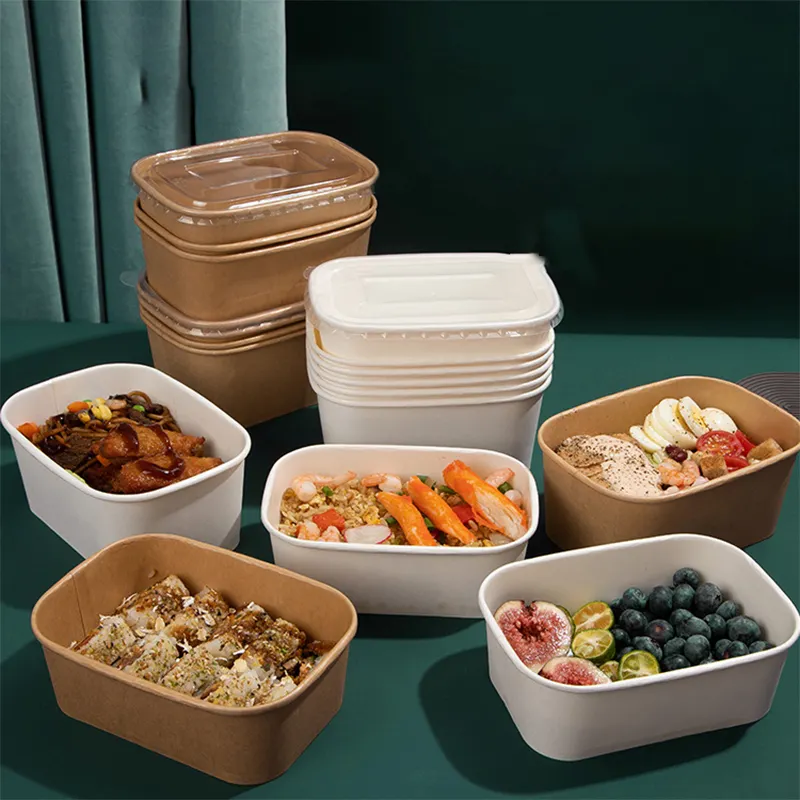
Савремени ресторани се суочавају са све већим притиском да усвоје одржива решења за паковање без компромиса функционалности. Kartonasta ambalaža za hranu појавили су се као водећа алтернатива традиционалним пластичним амбалажама, пружајући еколошке предности, истовремено одржавајући стандарде перформанси потребне за различите кулинарске апликације. Разумевање како се ови контејнери понашају у различитим температурним опсеговима од кључног је значаја за предузећа која желе да доносе информисане одлуке о паковању које су у складу са оперативним потребама и циљевима одрживости.
Универзалност папирног контејнера за храну се протеже изван њихове еколошке привлачности, обухватајући софистицирано инжењерство дизајнирано да се носи са топлим и хладним апликацијама хране. Данас су напредне папирове паковање укључене специјалне премазе, технологије за баријеру и конструкције које омогућавају оптималне перформансе у широком температурном спектру. Ове иновације су револуционизовале приступ индустрије хране одрживим паковањима, доказујући да одговорност за животну средину не мора да компромитује квалитет хране или задовољство клијената.
Способности за отпорност на температуру папирног контејнера за храну
Толеранција топлоте и топлотне баријере
Папирни контејнери за храну дизајнирани за апликације за врућу храну укључују специјализоване баријерне премазе који пружају изузетну отпорност на топлоту, а истовремено одржавају структурни интегритет. Ови контејнери обично издрже температуре од 180°F до 220°F, што их чини погодним за вруће супе, гуште, јаја и друге загревене припреме. Технологија топлотне баријере спречава пренос топлоте, штитијући кориснике од опекотина док се температура хране одржава дуги временски период.
Напређени папирни контејнери за храну користе вишеслојну конструкцију са топлотоупорним полимерима или премазима на бази воска који стварају ефикасну топлотну баријеру. Овај инжењерски приступ осигурава да зидови контејнера остану хладни на додир чак и када садрже топле производе за храну. Изолационе особине ових контејнера конкуришу са традиционалним пеновим паковањима, док истовремено нуде супериорне еколошке користи и побољшано перцепцију бренда међу потрошачима који су свесни екологије.
Молекуларна структура савремених папирних контејнера за храну укључује специјалне влакна и адитиве који се не могу топлотно разградити чак и под дуготрајним излагањем високим температурама. Ова трајност осигурава да контејнери задржавају свој облик, чврстоћу и бариерна својства током целог процеса сервиса хране, од припреме у кухињи до коначне потрошње.
Употреба хладне хране и управљање кондензацијом
Употреба хладне хране представља јединствену изазов за папиране контејнере за храну, посебно у погледу управљања влагом и структурне стабилности. Премијум папирне контејнере решавају ове проблеме помоћу хидрофобних премаза и влагоотпорних бариерних слојева који спречавају кондензацију да угрози интегритет контејнера. Ове карактеристике су од суштинског значаја за апликације које укључују замрзнуте десерте, хладне салате, хладне припремљене оброке и хладне пића.
Употреба папира за храну у хладним апликацијама у великој мери зависи од њихове способности да се супротстављају проникнутости влаге, а при томе одржавају продишавање, где је то прикладно. Напређене технологије премаза стварају селективну пропустљивост, што омогућава контејнерима да спрече улазак нежељене влаге док истовремено омогућавају контролисану размену гаса која помаже у одржавању свежести и квалитета хране.
Специјализовани папирни контејнери за храну за хладне апликације укључују технологије за појачање које одржавају структурну чврстоћу чак и када су изложени кондензацији или директном контакту са замрзнутим предметом. Ова технологија осигурава поуздану перформансу у хладној средини, хладницима и током превоза у возилима са контролисаном температуром.
Композиција материјала и техничке карактеристике
У одрживим изворима влакана и производњи
Савремени папирни контејнери за храну користе материјале од влакана из одрживих извора који пружају основну чврстоћу и флексибилност потребну за различите апликације хране. Ова влакана, обично добијена из одговорно управљаних шума или рециклираног садржаја, подвргну се специјализованој обради како би се побољшале њихове карактеристике перформанси, а истовремено одржана биоразградљивост и компостибилност.
Производњи процес за високо перформансне папирове контејнере за храну укључује прецизне методе калупа и обликовања које стварају оптималну дистрибуцију дебљине зида и структурну геометрију. Овај инжењерски приступ максимизује чврстоћу контејнера док минимизује употребу материјала, што резултира трошко-ефикасним паковањем које пружа супериорну перформансу у различитим температурним опсеговима.
Мерке за контролу квалитета током производње осигурају доследне стандарде перформанси за папирове контејнере за храну, са строгим протоколима испитивања који потврђују отпорност на температуру, структурни интегритет и својства баријера. Ови процеси осигурања квалитета гарантују да контејнери испуњавају захтеве индустрије за храну и истовремено одржавају у складу са релевантним прописима о безбедности и животној средини.
Напремене технологије премаза и бариерни системи
Савремени папирни контејнери за храну имају сложене системе премаза који обезбеђују отпорност на масти, препреку за влагу и стабилност температуре без угрожавања еколошке користи. Ови премази користе полимере на биљној бази, воске на биолошкој бази и иновативне наноматеријале који пружају перформансне карактеристике упоредиве са традиционалним алтернативама на нафтној бази.
Употреба папираних контејнера за храну са напредним системма баријера проширује њихову функционалност на изазовне апликације, укључујући киселе хране, уљане припреме и предмете са високим садржајем влаге. Ови специјализовани премази одржавају своја заштитна својства у екстремним температурама, док подржавају укупну структурну перформансу контејнера.
Инновације у области баријерних технологија у папирним контејнерима за храну настављају да се развијају, са укључивањем биолошких материјала и компостибилних додатака који побољшавају перформансе, подржавајући приступе циркулне економије. Ови развој осигурава да одржива решења за паковање могу да задовољавају захтевне захтеве комерцијалних операција хране без компромиса са животном средином.
Апликације у свим сегментима хране
Операције ресторана и брзе услуге
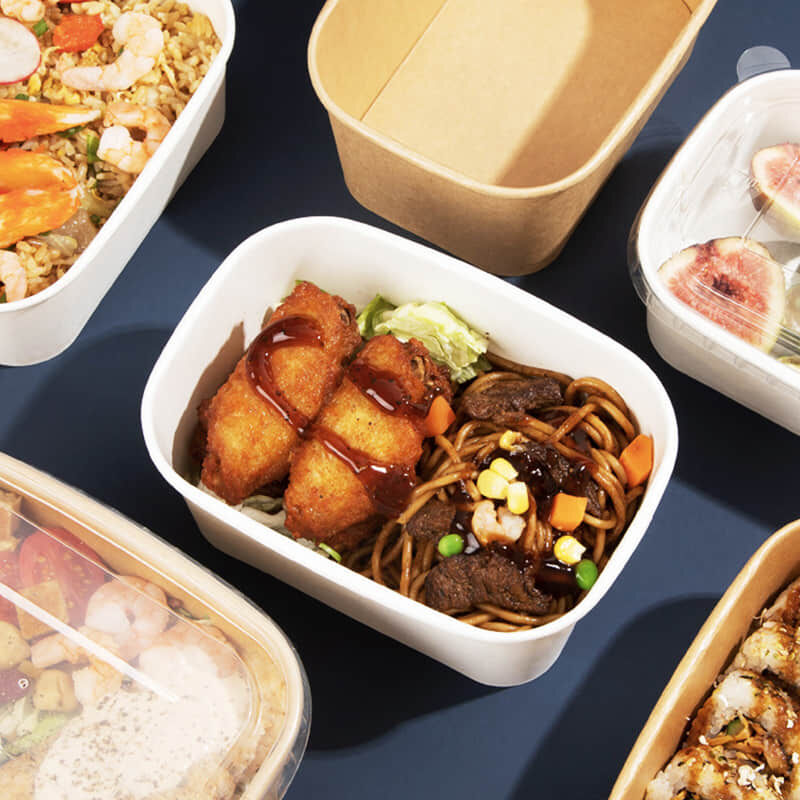
Папирне контејнере за храну имају различите улоге у ресторанима и срединама брзе услуге, смештајући све од врућих првих оброка и десерта до хладних салата и десерта. Њихова свестраност их чини идеалним за установе који траже унификована рјешења паковања која могу да се баве разноврсним ставкама менија, док подржавају иницијативе одрживости и диференцијацију бренда.
Оперативна ефикасност папирног контејнера за храну у окружењима са великим обимом хране произилази из њихових конзистентних карактеристика перформанси и поуздане доступности ланца снабдевања. Ови контејнери се ефикасно спајају за складиштење, отпоручују деформацији или деформацији повезаним са температуром и пружају одличну презентацију хране која побољшава искуство купца и перципира вредност.
Разматрања инжењерског менија за ресторане који користе папирне контејнере за храну укључују оптимизацију величине порција, облика контејнера и конфигурације поклопаца како би се повећала задржавање квалитета хране док се минимизирају трошкови паковања. Флексибилност дизајна папирних контејнера омогућава прилагођавање специфичним оперативним захтевима и методама припреме хране.
Кетеринг и услуге догађаја
Операције у области угоститељства значајно имају користи од температурне свестраности папирног контејнера за храну, који може без проблем прећи са транспорта вруће хране на презентацију хладне хране без потребе за одвојеним системима паковања. Ова прилагодљивост рационализује логистику, смањује сложеност инвентара и подржава доследан брендинг у различитим врстама догађаја и понудама менија.
Квалитет презентације контејнера за храну од високог квалитета папира повећава перципирану вредност оброка у угоститељству, док подржава практике одрживих догађаја које све више траже корпоративни клијенти и свесни потрошачи. Ови контејнери ефикасно одржавају температуру хране током превоза и сервисања, обезбеђујући оптималан квалитет хране током продужених трајања догађаја.
Велики ресторани се ослањају на папировске контејнере за храну који могу издржати тешке услове припреме, транспорта и сервисања, а истовремено одржавају стандарде безбедности хране. Поузданност савремених папирних система паковања подржава ефикасне радне токове у угоститељству и доследан квалитет услуге током више истовремена догађаја.
Оптимизација перформанси и најбоље праксе
Аспекти складиштења и руковања
Прави протоколи складиштења и руковања максимизују потенцијал перформанси папира за контејнере за храну у свим температурним апликацијама. Ове праксе укључују одржавање одговарајуће ротације залиха, заштиту контејнера од излагања влаги пре употребе и праћење смерница произвођача за услове складиштења и складиштења.
Фактори животне средине у просторима складиштења значајно утичу на перформансе папирног контејнера за храну, а контрола влаге, стабилност температуре и заштита од директне сунчеве светлости су кључни фактори. Увеђење одговарајућих протокола складиштења осигурава да контејнери задржавају свој структурни интегритет и својства баријере до тачке употребе.
Програм обуке особља који се фокусира на одговарајуће технике руковања са папиром за контејнере за храну помаже да се спречи прерано оштећење и осигура оптимална перформанса и у топлим и у хладним апликацијама. Ове иницијативе обуке обухватају теме укључујући одговарајуће процедуре пуњења, границе температуре и захтеве складиштења који подржавају доследну перформансу контејнера.
Контрола квалитета и праћење перформанси
Успостављање протокола за контролу квалитета за папирне контејнере за храну укључује редовне тестове перформанси на различитим апликацијама на температури, праћење структурног интегритета и процену ефикасности баријера током времена. Ови системи праћења помажу у идентификовању потенцијалних проблема пре него што утичу на квалитет хране или задовољство купца.
Показатели перформанси за папирове контејнере за храну укључују способности задржавања температуре, структурну стабилност под оптерећењем, отпорност на проникљење масти и влаге и укупну трајност током цикла сервиса. Редовна евалуација ових параметара осигурава доследну перформансу и помаже у оптимизацији избора контејнера за специфичне апликације.
Партнерства снабдевача играју кључну улогу у одржавању доследног квалитета папирног контејнера за храну, а континуирана сарадња подржава иницијативе за континуирано побољшање и прилагођавање променљивим оперативним захтевима. Ови односи олакшавају приступ најновијим иновацијама и обезбеђују поуздану перформансу ланца снабдевања.
Утицај на животну средину и користи одрживости
Процена животног века и отисак угљеника
Свеобухватне процене животног циклуса папирног контејнера за храну откривају значајне еколошке предности у поређењу са традиционалним пластичним амбалажама, посебно у погледу смањења угљенског отисака и опција уклањања на крају живота. Ове процене разматрају извођење сировина, производње, утицај транспорта и путеве одлагања како би се обезбедила холистичка процена утицаја на животну средину.
Обновљавајућа природа хартијских контејнера за храну као сировина доприноси смањењу укупних емисија угљеника и подржава одрживе праксе управљања шумама. Производствени процеси за папирне паковање обично захтевају мање енергије од производње пластике, док генеришу мање упорног загађивача животне средине.
Опције за уклањање контејнера за храну из папира на крају живота укључују компостирање, рециклирање и биодеградацију који су у складу са принципима циркуларне економије. Ове опције уклањања смањују оптерећење потока отпада и подржавају иницијативе о опоравка ресурса од користи локалним заједницама и еколошким системима.
Интеграција кружне економије
Папирни контејнери за храну подржавају принципе циркуларне економије кроз њихову компатибилност са постојећом инфраструктуром за рециклирање и системима обраде органског отпада. Ова интеграција олакшава затворену циклус материјала који минимизира потрошњу девственог ресурса док максимизује ефикасност коришћења материјала.
Биодеградибилна природа папирних контејнера за храну омогућава интеграцију са програмима компостирања који претварају употребљену амбалажу у вредне промене тла. Ова способност подржава иницијативе за компостирање у градовима и помаже у одвођењу органског отпада са депонија, стварајући прихватљиве крајње производе.
Оптимизација ланца снабдевања за папирне контејнере за храну све више укључује принципе циркуларне економије, укључујући иницијативе локалног снабдевања, побољшање ефикасности транспорта и модификације дизајна паковања које подржавају циљеве поновног коришћења и рециклирања.
Често постављене питања
У којој температурној опсези могу папирне контејнере за храну сигурно да се носе?
Папирне контејнере за храну обично могу да се носе са температурама од замрзавања до 220 ° F, у зависности од њиховог специфичног премаза и конструкције. Квалитетни контејнери одржавају структурни интегритет и бариерна својства у овом распону, што их чини погодним за топле супе и замрзнуте десерте. Специфична граница температуре зависе од дизајна контејнера и намењене примене, а специјалне верзије су доступне за екстремне температурне захтеве.
Како папирне контејнере за храну спречавају излазак масти и влаге?
Савремени папирни контејнери за храну користе напредне баријерне премазе и специјализоване системе облога који стварају ефикасну отпорност на влагу и масти. Ове баријере обично се састоје од биолошка полимера или биљних воса који формирају заштитни слој без угрожавања биоразградљивости контејнера. Ефикасност баријере се тестира под различитим условима температуре и влаге како би се осигурала поуздана перформанса у различитим прилозима хране.
Да ли су папирно контејнери за храну погодни за микроталасно грејање?
Многи папирни контејнери за храну дизајнирани су за микроталасну употребу, са премазима и грађевинским материјалима који остају стабилни под условима загревања микроталасним. Међутим, специфична компатибилност микроталаса варира у зависности од произвођача и дизајна контејнера, тако да је неопходно проверити спецификације производа. Папирне контејнере за микроталасне загревање обично имају одговарајућу ознаку и тестиране су на безбедност и перформансе под стандардним условима загревања у микроталасном загревању.
Колико дуго папирови контејнери за храну одржавају температуру хране?
Способности папирних контејнера за храну да задржавају топлоту зависе од њихових изолационих својстава, дебљине зида и дизајна поклопака. Квалитетне контејнере могу да одржавају топлу температуру хране 30-60 минута и хладне хране хладне неколико сати када су правилно запечаћене. Стварна перформанса варира у зависности од услова околине, количине хране и почетне температуре, уз специјализоване изоловане конструкције које пружају побољшано задржавање температуре током продужених периода.