compostable paper cups
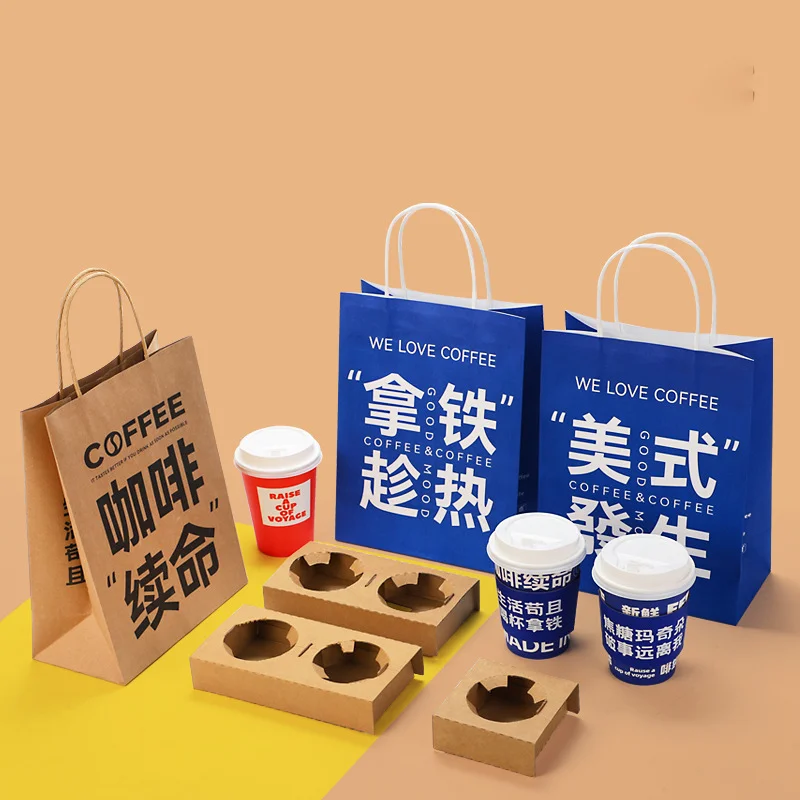
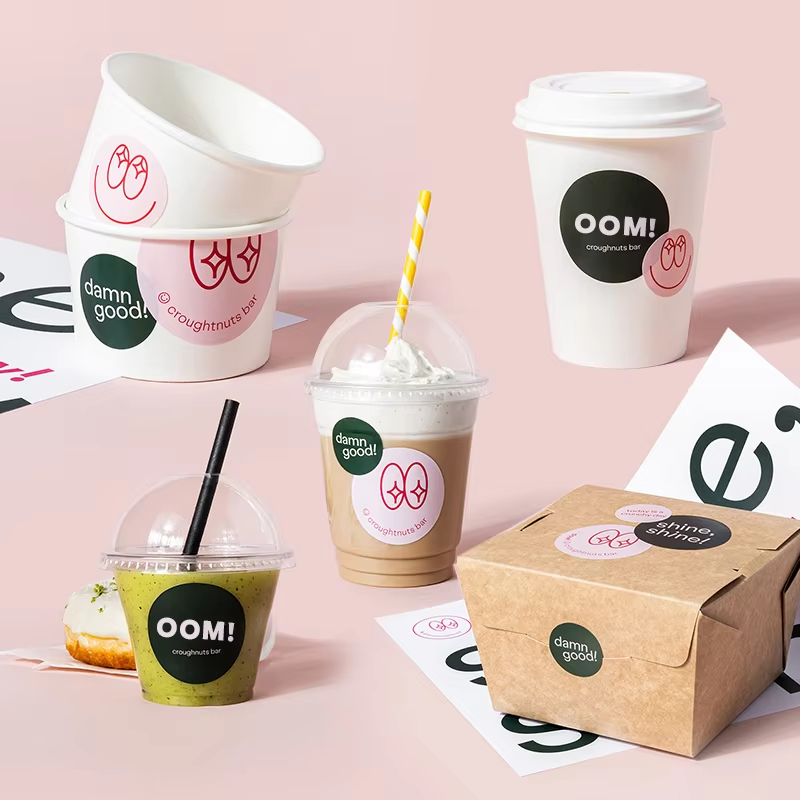
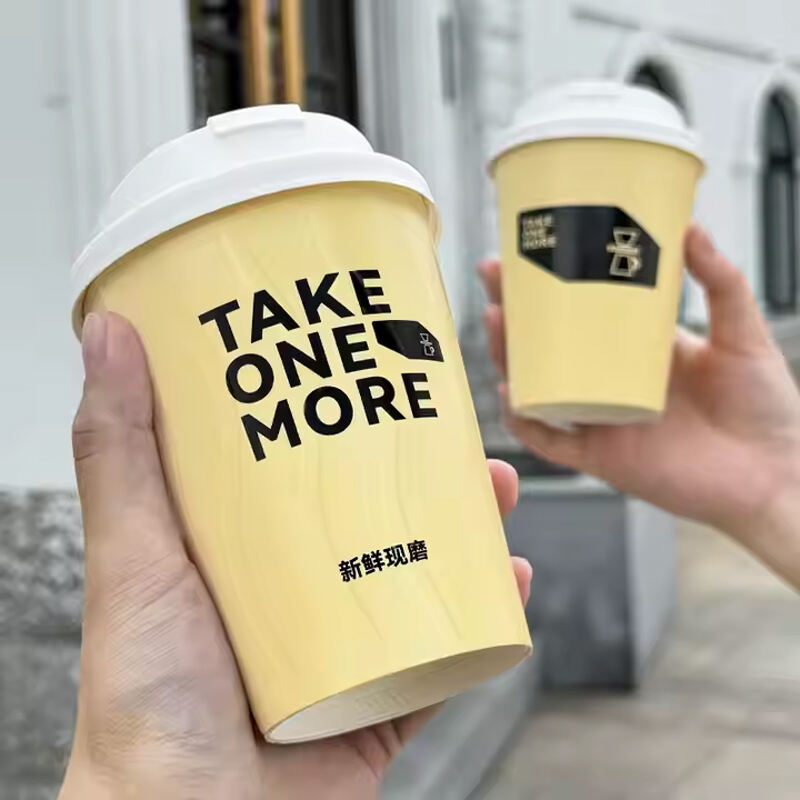
Compostable paper cups represent a revolutionary advancement in sustainable beverage packaging, designed to address the growing environmental concerns surrounding single-use disposable products. These innovative containers combine traditional paper cup functionality with cutting-edge biodegradable technology, offering businesses and consumers an environmentally responsible alternative to conventional plastic-lined cups. The core structure of compostable paper cups utilizes sustainably sourced paperboard materials, typically derived from responsibly managed forests certified by environmental organizations. Unlike traditional paper cups that contain polyethylene plastic linings, compostable paper cups feature specialized plant-based coatings made from materials such as polylactic acid (PLA), derived from renewable resources like corn starch or sugarcane. This technological innovation ensures complete biodegradability under proper composting conditions. The manufacturing process incorporates advanced barrier technologies that maintain liquid resistance and structural integrity while preserving the cup's ability to break down naturally. These cups effectively serve hot beverages, cold drinks, and various liquid refreshments across multiple temperature ranges. The insulation properties provide comfortable handling for hot beverages while maintaining beverage temperature effectively. Compostable paper cups find extensive applications across diverse sectors including coffee shops, restaurants, food service establishments, office buildings, educational institutions, healthcare facilities, and outdoor events. Corporate cafeterias increasingly adopt these sustainable solutions to meet environmental sustainability goals and reduce carbon footprints. The cups accommodate various beverage types from espresso and specialty coffees to smoothies, juices, and carbonated beverages. Event organizers particularly value compostable paper cups for festivals, conferences, and gatherings where waste management and environmental impact considerations are paramount. The versatility extends to both indoor and outdoor applications, making them suitable for picnics, camping, and recreational activities where traditional dishware proves impractical.

 EN
EN