
 EN
EN
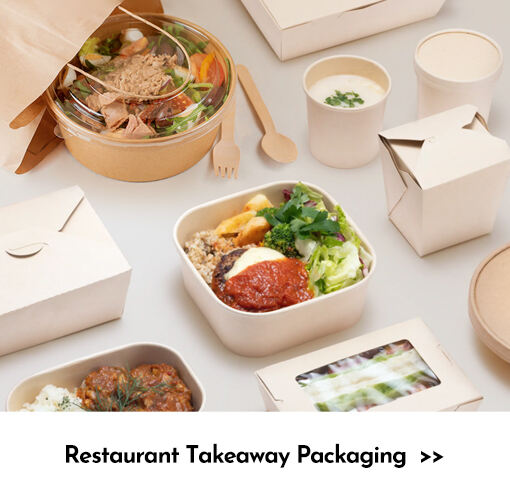
Paper food containers have revolutionized the food delivery and logistics industry by offering practical solutions that streamline operations, reduce costs, and enhance customer satisfaction. These packaging solutions directly address key operational challenges that food service businesses face when managing high-volume delivery operations, from maintaining product quality during transport to optimizing storage and handling processes.
The efficiency improvements delivered by paper food containers stem from their unique combination of lightweight design, stackable structure, and protective properties that work together to reduce delivery times, minimize product damage, and optimize resource utilization. Understanding how these containers enhance operational efficiency requires examining their impact across multiple dimensions of the delivery and logistics workflow, from initial packaging through final customer delivery.
Weight Reduction and Transportation Efficiency
Lightweight Design Advantages
Paper food containers significantly reduce the overall weight of delivery loads compared to traditional plastic or foam alternatives. This weight reduction directly translates to improved fuel efficiency for delivery vehicles, allowing drivers to carry more orders per trip while consuming less fuel. The lightweight nature of paper containers also reduces physical strain on delivery personnel, enabling faster loading and unloading processes that improve overall delivery cycle times.
The reduced weight per unit allows restaurants and food service operations to maximize their delivery capacity without exceeding vehicle weight limits. This optimization becomes particularly valuable during peak demand periods when efficient load planning can mean the difference between timely deliveries and customer dissatisfaction. Paper food containers enable businesses to pack more orders into each delivery run, effectively reducing the number of trips required and improving overall logistics efficiency.
Fuel Cost Optimization
The lighter weight of paper food containers contributes to measurable fuel savings across delivery operations. Studies show that reducing vehicle weight by even small amounts can lead to significant fuel efficiency improvements over time. For delivery operations managing hundreds or thousands of orders daily, the cumulative weight reduction from using paper containers translates to substantial cost savings on fuel expenses.
These fuel cost reductions become more pronounced in urban delivery environments where stop-and-go traffic patterns amplify the impact of vehicle weight on fuel consumption. Paper food containers help delivery operations maintain competitive pricing while improving profit margins through reduced operational costs, creating a sustainable advantage in increasingly competitive food delivery markets.
Storage and Space Optimization
Stackable Design Benefits
Paper food containers feature stackable designs that maximize storage efficiency in restaurant kitchens, delivery vehicles, and warehouse facilities. The ability to nest containers compactly when empty reduces storage space requirements by up to 80% compared to rigid alternatives. This space optimization allows restaurants to maintain larger container inventories without dedicating excessive storage space, ensuring they never run short of packaging during busy periods.
In delivery vehicles, the stackable nature of paper food containers enables more efficient organization of orders. Drivers can arrange containers in stable configurations that prevent shifting during transport, reducing the risk of spills or damage while maximizing the number of orders that fit in each delivery run. This improved space utilization directly enhances delivery efficiency by reducing the total number of trips required.
Inventory Management Efficiency
The compact storage characteristics of paper food containers simplify inventory management for food service operations. Staff can easily count, organize, and track container supplies, reducing the time spent on inventory-related tasks. The standardized dimensions of paper containers also enable automated inventory systems to function more accurately, providing real-time visibility into stock levels and preventing unexpected shortages.
Efficient inventory management translates to improved operational flow, as kitchen staff spend less time searching for appropriate containers and more time focusing on food preparation and order fulfillment. This streamlined workflow contributes to faster order processing times and improved customer satisfaction through more reliable delivery schedules.
Food Safety and Quality Preservation
Temperature Retention Properties
Paper food containers provide excellent insulation properties that help maintain food temperature during delivery transit. The natural insulating characteristics of paper materials slow heat transfer, keeping hot foods warm and cold items cool for longer periods. This temperature retention capability reduces food quality deterioration during transport, ensuring customers receive meals that meet their expectations for taste and safety.
Maintained food temperature directly impacts customer satisfaction and reduces the number of complaints or returns that delivery operations must handle. When paper food containers effectively preserve food quality during transit, businesses experience fewer customer service issues, reduced waste from rejected orders, and improved brand reputation that drives repeat business and positive reviews.
Moisture and Grease Resistance
Modern paper food containers incorporate specialized coatings and treatments that provide resistance to moisture and grease penetration. These protective barriers prevent leaks and maintain container structural integrity throughout the delivery process. The leak-resistant properties of paper containers protect other orders in delivery bags, preventing cross-contamination and reducing the risk of damaged goods that could result in customer complaints or refund requests.
The grease resistance of paper food containers also contributes to cleaner delivery operations, as drivers and customers avoid the mess associated with leaking containers. This cleanliness factor improves the professional appearance of delivery services and reduces vehicle cleaning requirements, contributing to overall operational efficiency through reduced maintenance time and costs.
Assembly and Handling Efficiency
Quick Setup and Folding
Paper food containers typically feature intuitive folding mechanisms that enable rapid assembly without requiring tools or complex procedures. Kitchen staff can quickly transform flat container blanks into ready-to-use packaging, reducing the time spent on packaging preparation during busy service periods. This quick assembly capability is particularly valuable during peak demand times when every second counts toward meeting delivery deadlines.
The simplified assembly process also reduces training requirements for new staff, as paper food containers can be folded correctly with minimal instruction. This ease of use contributes to consistent packaging quality across different shift workers and reduces errors that could lead to packaging failures during delivery. Consistent, reliable packaging translates to improved operational efficiency and reduced waste from packaging mistakes.
Secure Closure Mechanisms
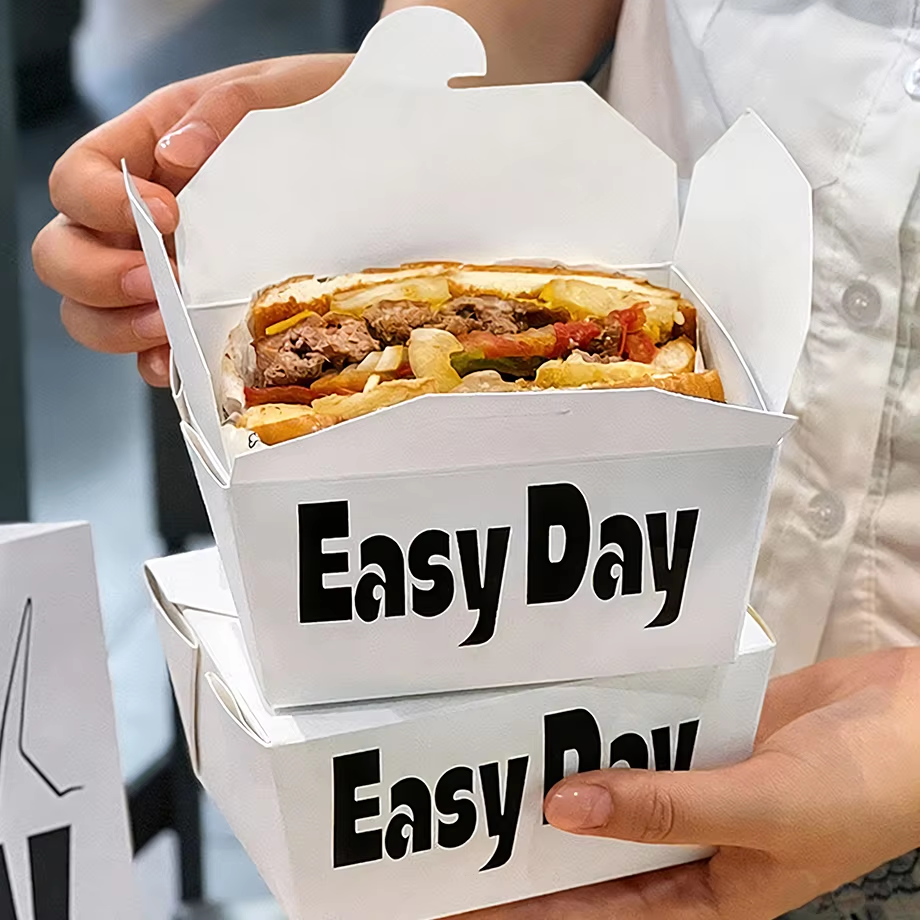
Paper food containers incorporate various closure mechanisms designed to provide secure sealing while maintaining ease of opening for customers. These closure systems prevent accidental opening during transport, reducing spill risks and maintaining food security throughout the delivery process. The reliable closure of paper containers gives delivery personnel confidence that orders will arrive intact, reducing anxiety and improving overall delivery performance.
Secure closures also contribute to food safety compliance by maintaining proper containment of food products during transport. This containment capability helps food service operations meet health department requirements and maintain their operating licenses, avoiding costly violations or shutdowns that could severely impact business operations and profitability.
Cost-Effectiveness and Operational Savings
Material Cost Advantages
Paper food containers often provide cost advantages over alternative packaging materials when considering total cost of ownership. While initial unit costs may vary, the lightweight nature of paper containers reduces shipping costs for purchasing larger quantities. The ability to order and store paper containers more efficiently translates to better inventory turnover and reduced storage costs for food service operations.
The cost-effectiveness of paper food containers extends beyond initial purchase prices to include reduced disposal costs and potential recycling revenue streams. Many municipalities offer favorable waste management rates for paper-based materials, and some regions provide financial incentives for businesses that use recyclable packaging. These cost factors contribute to improved overall profitability for delivery operations.
Labor Efficiency Gains
The ease of handling and assembly associated with paper food containers reduces labor time required for packaging operations. Kitchen staff can package orders more quickly using paper containers, improving overall order processing speed and reducing labor costs per order. This efficiency gain becomes particularly significant during high-volume periods when labor productivity directly impacts delivery performance and customer satisfaction.
Reduced packaging time also enables kitchen staff to focus more attention on food quality and order accuracy, improving overall service quality while maintaining efficient operations. The time savings from efficient packaging processes can be reinvested in food preparation or customer service activities that directly enhance the delivery experience and drive customer loyalty.
FAQ
How much weight can be saved by switching to paper food containers?
Paper food containers typically weigh 30-50% less than comparable plastic or foam alternatives, resulting in significant weight savings for high-volume delivery operations. A restaurant processing 500 orders daily could reduce delivery vehicle weight by 50-100 pounds by switching to paper containers, leading to measurable fuel savings and improved load capacity for delivery vehicles.
Do paper food containers maintain food temperature as well as other materials?
High-quality paper food containers with proper insulation properties can maintain food temperatures effectively, often performing comparably to plastic alternatives. The key is selecting paper containers with appropriate thickness and insulation design for specific food types and delivery distances. Many paper containers actually provide superior insulation due to the natural air-trapping properties of paper fibers.
Are paper food containers cost-competitive with plastic alternatives?
While paper food containers may have slightly higher upfront costs in some cases, they often provide better total cost of ownership when factoring in weight savings, storage efficiency, disposal costs, and potential recycling revenues. The operational efficiencies gained through improved handling and reduced logistics costs frequently offset any initial price differences, making paper containers a financially sound choice for delivery operations.
How do paper food containers improve customer satisfaction?
Paper food containers enhance customer satisfaction through reliable food protection, maintained temperature, leak resistance, and easy opening mechanisms. The professional appearance and environmental friendliness of paper packaging also appeal to increasingly eco-conscious consumers, contributing to positive brand perception and customer loyalty that drives repeat business and referrals.