
 EN
EN
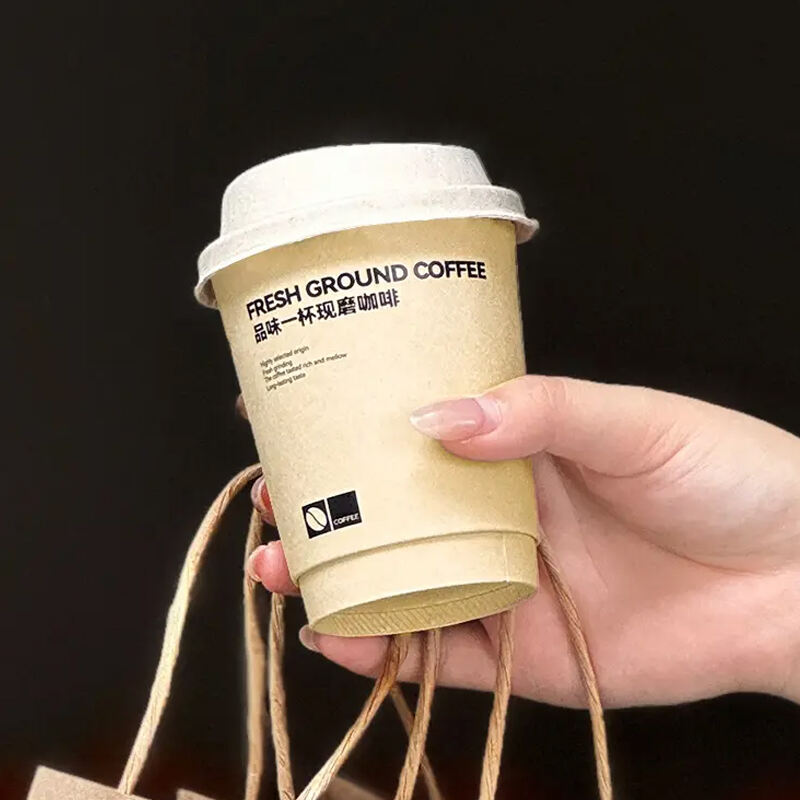
When you hand a customer a hot beverage, the vessel carrying that drink communicates far more than you might expect. A well-engineered coffee paper cup does not simply hold liquid — it manages heat transfer, protects the user's hand, maintains the drink's temperature, and delivers a tactile experience that shapes how the customer perceives your brand. Understanding how these functional goals are achieved through material science and structural design is essential for any foodservice operator, café owner, or packaging buyer who wants to make informed sourcing decisions.
The challenge of heat insulation and user comfort in a coffee paper cup is not a single engineering problem — it is a layered one. Heat must be retained inside the cup to keep the beverage at the right serving temperature, while simultaneously being blocked from transferring to the outer surface where the user's hand makes contact. Achieving both goals at once requires deliberate choices in wall construction, coating materials, and structural geometry. This article explores exactly how modern cup design addresses each of these demands.
The Role of Wall Construction in Heat Insulation
Single-Wall Versus Double-Wall Design
The most fundamental structural decision in a coffee paper cup is whether to use a single-wall or double-wall construction. A single-wall cup consists of one layer of paperboard coated with a thin film of polyethylene on the interior surface. While this construction is lightweight and cost-effective, it offers minimal thermal resistance. Heat from the beverage passes through the paperboard relatively quickly, making the outer surface uncomfortably warm within seconds of filling.
A double-wall coffee paper cup introduces a second outer layer of paperboard that is bonded to the inner wall with a small air gap or corrugated spacer between them. This trapped air layer acts as a thermal buffer, significantly slowing the rate at which heat migrates from the hot liquid to the outer surface. The result is a cup that remains comfortable to hold for several minutes without requiring a separate cardboard sleeve.
From a practical standpoint, double-wall construction reduces the need for additional accessories at the point of sale. Customers do not need to ask for a sleeve, and staff do not need to double-cup orders. This streamlines service and reduces material waste, making the double-wall coffee paper cup a preferred choice for high-volume takeaway operations.
How Air Gap Geometry Affects Thermal Performance
The effectiveness of a double-wall coffee paper cup depends not only on the presence of an air gap but also on its consistency and depth. A uniform gap maintained by a corrugated or embossed inner wall structure ensures that the insulating air layer is evenly distributed around the circumference of the cup. Inconsistent gaps — caused by poor manufacturing tolerances — can create hot spots where the two walls make direct contact, reducing insulation performance in those areas.
Some cup designs use a ripple-wrap outer layer rather than a fully bonded second wall. While this approach also creates air pockets, the insulation is less uniform than a sealed double-wall construction. For beverages served at temperatures above 80°C, a fully sealed double-wall coffee paper cup consistently outperforms ripple-wrap alternatives in maintaining a comfortable outer surface temperature.
PE Coating and Its Impact on Moisture and Heat Management
The Function of Polyethylene Lining
The interior of virtually every modern coffee paper cup is coated with a thin layer of polyethylene, commonly referred to as PE coating. This lining serves two critical functions. First, it creates a moisture barrier that prevents hot liquid from saturating the paperboard fibers, which would cause the cup to soften, deform, and eventually leak. Second, the PE layer provides a smooth, food-safe surface that does not impart any taste or odor to the beverage.
In a double-wall coffee paper cup, the PE coating is applied to the inner wall's interior surface. The outer wall may also carry a PE or other polymer coating on its exterior to provide water resistance and a printable surface for branding. The combination of these coatings ensures structural integrity throughout the cup's service life, from the moment it is filled to the moment it is discarded.
PE Coating Thickness and Heat Transfer Rate
The thickness of the PE coating influences how quickly heat moves through the cup wall. A thicker coating adds a marginal degree of thermal resistance, but its primary contribution to user comfort is structural — by keeping the paperboard dry and rigid, it ensures the cup maintains its shape and does not collapse under the user's grip. A softened or deformed coffee paper cup concentrates pressure on smaller contact areas, which can make the cup feel hotter even if the actual surface temperature has not changed.
Operators sourcing a coffee paper cup for high-temperature applications should verify that the PE coating weight is appropriate for the intended fill temperature. Cups designed for cold beverages often use thinner coatings that may not perform adequately when used for hot coffee or tea. Specifying the correct cup for the application is a straightforward way to avoid comfort complaints from customers.
Structural Features That Enhance User Comfort
Cup Geometry and Grip Ergonomics
Beyond thermal insulation, the physical shape of a coffee paper cup plays a meaningful role in how comfortable it feels to hold. The taper of the cup — the angle at which the walls flare outward from base to rim — affects how naturally the cup sits in the hand. A cup with a moderate taper distributes the user's grip across a wider surface area, reducing the pressure per unit area and making the cup feel more secure and less hot at any given contact point.
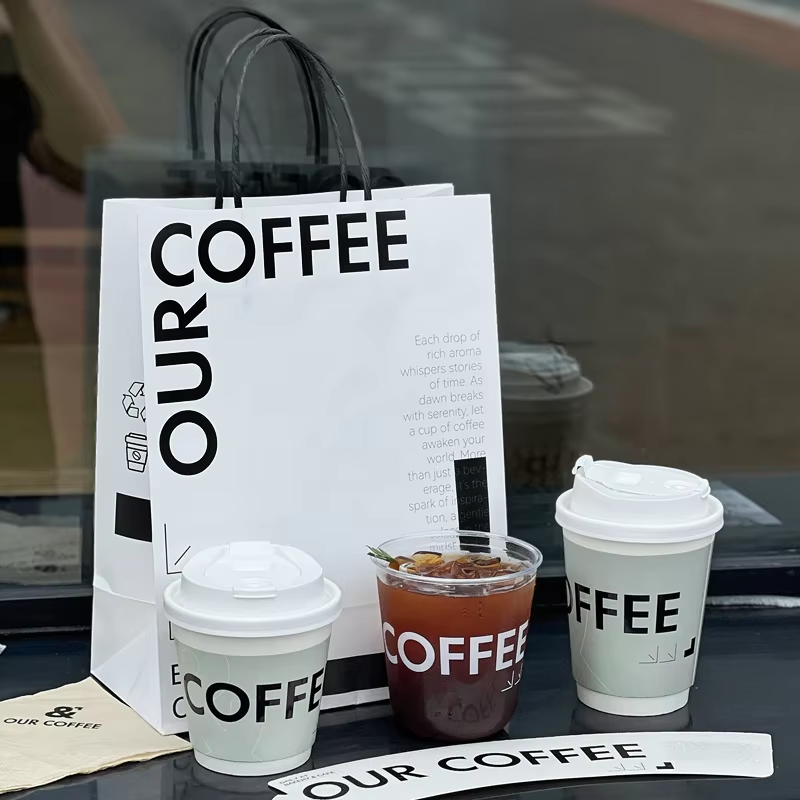
The rim design of a coffee paper cup also contributes to the drinking experience. A rolled or curled rim provides a smooth, comfortable contact surface for the lips and adds structural rigidity to the top of the cup, preventing the rim from collapsing inward when a lid is applied. This rigidity is particularly important in takeaway contexts where the cup may be carried, placed in a cup holder, or handled multiple times before the beverage is consumed.
Lid Compatibility and Heat Retention
A coffee paper cup does not function in isolation — it works as a system with its lid. A well-fitted lid seals the top of the cup, trapping heat inside and slowing the rate at which the beverage cools. This is especially important for takeaway orders where the customer may not begin drinking immediately. A lid that fits loosely allows steam to escape rapidly, accelerating heat loss and reducing the time window during which the drink is at an enjoyable temperature.
The fit between the coffee paper cup and its lid is determined by the rim diameter and the lid's snap-fit geometry. Standardized sizing — commonly 8oz, 12oz, and 16oz — ensures compatibility across a range of lid styles, including flat sip-through lids and domed lids for specialty drinks. Operators should always verify lid compatibility when switching cup suppliers to avoid fit issues that compromise both heat retention and spill resistance.
Material Sustainability and Its Relationship to Performance
Biodegradable and Eco-Friendly Cup Materials
The shift toward biodegradable materials in coffee paper cup manufacturing has introduced new considerations for heat insulation and user comfort. Traditional PE coatings, while effective, are derived from fossil fuels and complicate the recycling and composting of used cups. In response, manufacturers have developed cups lined with plant-based polymers such as polylactic acid (PLA), which offer comparable moisture resistance and can be composted under industrial conditions.
From a performance standpoint, PLA-lined coffee paper cup products generally perform well at temperatures up to approximately 85°C. For beverages served at higher temperatures, or in environments where cups may sit filled for extended periods, the thermal stability of the lining material becomes a relevant specification. Buyers should request technical data sheets from suppliers to confirm the heat tolerance of any biodegradable lining before committing to a large order.
Paperboard Quality and Its Effect on Insulation
The grade and weight of the paperboard used in a coffee paper cup directly affects its insulating properties. Heavier paperboard with a higher fiber density conducts heat more slowly than lighter grades, providing better passive insulation. For double-wall cups, the paperboard used in the outer wall is particularly important because it forms the primary contact surface for the user's hand.
High-quality paperboard also contributes to the structural integrity of the cup under thermal stress. When a coffee paper cup is filled with a hot beverage, the inner wall is exposed to both heat and moisture simultaneously. Paperboard that has been manufactured to tight specifications resists delamination and softening more effectively, ensuring the cup maintains its shape and insulating geometry throughout the drinking experience.
Practical Guidance for Selecting the Right Cup
Matching Cup Specifications to Beverage Temperature
Not every coffee paper cup is engineered to the same performance standard, and selecting the right specification for your application is a practical decision with direct consequences for customer satisfaction. For espresso-based drinks served at 70–80°C, a standard double-wall cup with PE coating provides adequate insulation for most service scenarios. For beverages served at higher temperatures, or for customers who hold their drinks for extended periods, a cup with a thicker outer wall or enhanced air gap geometry offers a measurable improvement in comfort.
Volume sizing also matters. A coffee paper cup that is too large for the beverage being served will have a greater proportion of its inner surface exposed to air rather than liquid, which can cause the cup to feel cooler at the top and warmer at the bottom. Matching cup volume to typical pour size ensures that the thermal mass of the beverage is distributed in a way that supports consistent insulation performance across the entire cup surface.
Evaluating Supplier Specifications Before Purchasing
When evaluating suppliers for a coffee paper cup program, buyers should request samples and conduct simple field tests before placing bulk orders. Fill the cup with water at the intended serving temperature, apply the lid, and hold the cup naturally for two to three minutes. The outer surface should remain comfortable to hold without any sensation of burning or excessive warmth. If the cup becomes uncomfortable within the first minute, the insulation specification is likely insufficient for the application.
Additional checks should include verifying that the rim is smooth and free of rough edges, that the lid snaps securely without requiring excessive force, and that the cup base is stable on flat surfaces. These functional details collectively determine whether a coffee paper cup delivers a positive user experience in real-world service conditions, not just in a controlled laboratory setting.
FAQ
Why does a double-wall coffee paper cup feel cooler to hold than a single-wall cup?
A double-wall coffee paper cup incorporates a second outer layer of paperboard separated from the inner wall by a small air gap. Air is a poor conductor of heat, so this gap significantly slows the transfer of thermal energy from the hot beverage to the outer surface. The result is an outer wall that remains at a much lower temperature than the inner wall, making the cup comfortable to hold without a sleeve.
Does the PE coating inside a coffee paper cup affect the taste of the coffee?
A properly applied PE coating inside a coffee paper cup is food-safe and does not impart any taste or odor to the beverage. The coating creates a smooth, inert barrier between the hot liquid and the paperboard fibers. If a cup produces an off-taste, it is more likely the result of a manufacturing defect, improper storage, or the use of a non-food-grade material rather than the PE lining itself.
Can a coffee paper cup with a PLA lining handle the same temperatures as a PE-lined cup?
PLA-lined coffee paper cup products are generally suitable for beverages served at temperatures up to approximately 85°C. For most standard coffee and tea service, this is adequate. However, for beverages served at higher temperatures or held for extended periods, PE-lined cups offer greater thermal stability. Buyers should confirm the specific heat tolerance rating with their supplier before switching to a PLA-lined option.
How does lid fit affect the heat retention of a coffee paper cup?
A well-fitted lid on a coffee paper cup traps steam and reduces convective heat loss from the surface of the beverage. A loose-fitting lid allows steam to escape continuously, which accelerates cooling and shortens the window during which the drink is at an enjoyable temperature. Ensuring that the lid diameter matches the cup rim specification precisely is one of the simplest and most effective ways to improve heat retention in a takeaway beverage program.
Table of Contents
- The Role of Wall Construction in Heat Insulation
- PE Coating and Its Impact on Moisture and Heat Management
- Structural Features That Enhance User Comfort
- Material Sustainability and Its Relationship to Performance
- Practical Guidance for Selecting the Right Cup
-
FAQ
- Why does a double-wall coffee paper cup feel cooler to hold than a single-wall cup?
- Does the PE coating inside a coffee paper cup affect the taste of the coffee?
- Can a coffee paper cup with a PLA lining handle the same temperatures as a PE-lined cup?
- How does lid fit affect the heat retention of a coffee paper cup?