
 EN
EN
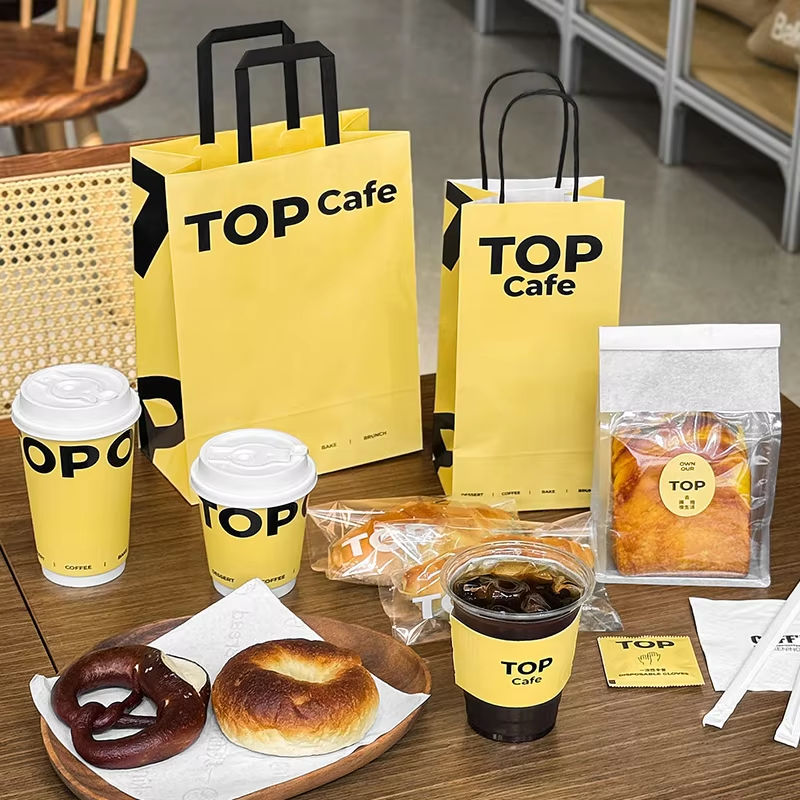
The global food packaging industry stands at a transformative crossroads, driven by evolving consumer preferences, environmental imperatives, and technological breakthroughs that are fundamentally reshaping how we package, preserve, and deliver food products. Modern food packaging solutions are no longer simply functional containers but sophisticated systems that must balance sustainability, safety, convenience, and cost-effectiveness while meeting increasingly stringent regulatory requirements across diverse international markets. As businesses navigate this complex landscape, understanding the emerging trends becomes crucial for maintaining competitive advantage and meeting evolving market demands.
The convergence of environmental consciousness, technological innovation, and changing consumer behaviors is creating unprecedented opportunities and challenges for food packaging manufacturers, retailers, and brands worldwide. From biodegradable materials and smart packaging technologies to circular economy principles and personalized packaging experiences, these trends are not merely temporary shifts but fundamental transformations that will define the industry for decades to come. Companies that successfully adapt their food packaging solutions to align with these emerging trends will position themselves at the forefront of a rapidly evolving marketplace.
Sustainability Revolution in Food Packaging Materials
Biodegradable and Compostable Material Innovations
The shift toward biodegradable and compostable materials represents one of the most significant transformations in food packaging solutions today. Advanced biopolymers derived from agricultural waste, algae, and other renewable sources are replacing traditional petroleum-based plastics, offering comparable performance characteristics while dramatically reducing environmental impact. These innovative materials break down naturally in composting environments, eliminating the persistent waste problems associated with conventional packaging materials.
Manufacturing processes for biodegradable food packaging solutions have become increasingly sophisticated, enabling the production of materials that maintain structural integrity, barrier properties, and aesthetic appeal while ensuring complete biodegradability within specified timeframes. Plant-based alternatives such as mycelium packaging, seaweed-derived films, and agricultural fiber composites are gaining commercial viability, supported by improved processing technologies and growing consumer acceptance of sustainable packaging options.
The regulatory landscape increasingly favors biodegradable food packaging solutions, with governments worldwide implementing policies that restrict single-use plastics and incentivize sustainable alternatives. This regulatory support, combined with growing consumer demand for environmentally responsible packaging, is accelerating the adoption of biodegradable materials across various food industry segments, from quick-service restaurants to premium retail products.
Circular Economy Integration and Waste Reduction
Circular economy principles are fundamentally reshaping how companies approach food packaging solutions, moving beyond traditional linear models toward closed-loop systems that minimize waste and maximize resource utilization. This transformation involves designing packaging materials that can be continuously recycled, reused, or repurposed, creating value streams from what was previously considered waste.
Advanced recycling technologies enable the recovery and reprocessing of complex food packaging solutions that were previously non-recyclable, including multi-layer structures and contaminated materials. Chemical recycling processes break down plastic polymers into their molecular components, allowing for the creation of new packaging materials with virgin-quality properties, while mechanical recycling improvements enhance the quality and applications of recycled content.
Extended producer responsibility programs are driving companies to take greater accountability for the entire lifecycle of their food packaging solutions, encouraging design innovations that prioritize recyclability and end-of-life management. These initiatives foster collaboration across the supply chain, from material suppliers to waste management companies, creating integrated systems that support circular economy objectives while maintaining packaging performance standards.
Smart and Intelligent Packaging Technologies
Active and Interactive Packaging Systems
Active packaging technologies are revolutionizing food packaging solutions by incorporating functional elements that actively interact with food products to extend shelf life, monitor quality, and enhance safety. These systems include oxygen scavengers, moisture absorbers, antimicrobial agents, and ethylene absorbers that actively preserve food quality while providing real-time information about product conditions.
Interactive packaging features are transforming consumer experiences with food packaging solutions through integrated sensors, QR codes, and near-field communication technologies that provide instant access to product information, traceability data, and interactive content. These technologies enable brands to create personalized consumer experiences while gathering valuable data about product usage patterns and consumer preferences.
Smart sensors embedded in food packaging solutions can monitor temperature, humidity, pH levels, and gas composition, providing continuous assessment of product quality and safety throughout the supply chain. This real-time monitoring capability reduces food waste, enhances safety protocols, and enables dynamic inventory management based on actual product conditions rather than arbitrary expiration dates.

Digital Integration and Connectivity Features
The integration of digital technologies into food packaging solutions is creating new possibilities for supply chain transparency, consumer engagement, and quality assurance. Blockchain integration enables immutable tracking of products from farm to table, providing consumers with detailed information about product origins, processing methods, and sustainability credentials while enhancing food safety and authenticity verification.
Internet of Things connectivity in food packaging solutions enables real-time communication between packages, supply chain partners, and consumers, creating comprehensive data networks that optimize logistics, reduce waste, and improve product quality management. These connected systems can automatically adjust storage conditions, alert stakeholders to potential issues, and provide predictive analytics for inventory optimization.
Augmented reality applications integrated with food packaging solutions offer immersive consumer experiences, including virtual product demonstrations, nutritional guidance, recipe suggestions, and brand storytelling that enhance engagement while providing educational value. These digital enhancements transform packaging from passive containers into interactive platforms that strengthen brand relationships and consumer loyalty.
Consumer-Driven Convenience and Customization
Portion Control and On-the-Go Solutions
Changing lifestyle patterns and demographic shifts are driving demand for food packaging solutions that prioritize convenience, portion control, and mobility. Single-serve packaging formats are expanding beyond traditional applications to include fresh foods, prepared meals, and specialty products that cater to individual consumption preferences while maintaining product quality and safety.
Innovative closure systems and resealable features in food packaging solutions address consumer needs for multiple consumption occasions while preserving product freshness and preventing contamination. These convenience features include easy-open mechanisms for elderly consumers, child-resistant closures for safety, and portable designs that support active lifestyles and on-the-go consumption patterns.
Multi-compartment food packaging solutions enable complex meal assembly and portion separation while maintaining individual component quality and preventing cross-contamination. These designs support meal customization, dietary restrictions, and portion control objectives while reducing packaging waste through optimized material usage and structural efficiency.
Personalization and Brand Differentiation
Digital printing technologies are enabling unprecedented levels of customization in food packaging solutions, allowing brands to create personalized packaging experiences, limited edition designs, and targeted marketing messages that resonate with specific consumer segments. Variable data printing capabilities support mass customization while maintaining cost-effectiveness and production efficiency.
Adaptive packaging designs in food packaging solutions respond to diverse cultural preferences, regional regulations, and market-specific requirements while maintaining brand consistency and operational efficiency. These flexible design systems enable rapid market entry, seasonal adaptations, and promotional campaigns without requiring significant packaging infrastructure changes.
Premium packaging experiences are becoming increasingly important in food packaging solutions as consumers seek products that reflect their values, lifestyle choices, and quality expectations. Luxury finishes, unique structural designs, and sustainable material combinations create perceived value while supporting brand positioning and consumer loyalty in competitive markets.
Regulatory Compliance and Safety Innovations
Global Harmonization and Standardization
International harmonization efforts are streamlining regulatory requirements for food packaging solutions, reducing compliance complexity while maintaining safety standards across diverse global markets. These initiatives facilitate international trade, reduce development costs, and accelerate time-to-market for new packaging innovations while ensuring consistent safety and quality standards.
Advanced testing protocols for food packaging solutions incorporate accelerated aging studies, migration testing, and comprehensive safety assessments that predict long-term performance and safety characteristics under various storage and usage conditions. These rigorous testing standards ensure packaging materials meet evolving safety requirements while supporting innovation in material development.
Traceability requirements in food packaging solutions are driving implementation of comprehensive tracking systems that document material sourcing, manufacturing processes, and distribution pathways. These systems support rapid response to safety issues, facilitate product recalls when necessary, and provide transparency that builds consumer confidence in packaging safety and quality.
Enhanced Barrier Properties and Contamination Prevention
Advanced barrier technologies in food packaging solutions provide superior protection against oxygen, moisture, light, and contaminants while maintaining material sustainability and cost-effectiveness. Nanotechnology applications create ultra-thin barrier layers that preserve food quality without adding significant packaging weight or material usage.
Antimicrobial packaging treatments in food packaging solutions actively inhibit bacterial growth, extend product shelf life, and enhance food safety without requiring chemical preservatives in food formulations. These treatments use natural antimicrobial compounds, silver nanoparticles, and other safe technologies that provide continuous protection throughout the product lifecycle.
Tamper-evident and security features in food packaging solutions protect product integrity while providing clear indication of any unauthorized access or tampering. These security measures range from simple tamper-evident seals to sophisticated authentication technologies that verify product authenticity and supply chain integrity.
Economic and Market Transformation
Cost Optimization and Efficiency Improvements
Automation and digitalization in food packaging solutions manufacturing are reducing production costs while improving quality consistency and reducing waste. Advanced manufacturing technologies enable rapid changeovers, reduced setup times, and optimized material usage that support both cost efficiency and sustainability objectives.
Lightweighting initiatives in food packaging solutions reduce material usage, transportation costs, and environmental impact while maintaining packaging performance and consumer appeal. These weight reduction strategies involve structural optimization, material selection, and design innovations that eliminate unnecessary material without compromising functionality.
Supply chain integration for food packaging solutions creates efficiencies through collaborative planning, shared resources, and optimized logistics that reduce costs while improving service levels. These partnerships enable smaller companies to access advanced packaging technologies while providing larger companies with specialized capabilities and market insights.
Investment and Innovation Ecosystems
Venture capital investment in food packaging solutions startups is accelerating innovation development and commercialization, particularly in sustainable materials, smart packaging technologies, and digital integration solutions. This funding supports research and development while facilitating rapid scaling of promising innovations.
Corporate partnerships and open innovation platforms in food packaging solutions foster collaboration between established companies and emerging technology providers, accelerating innovation adoption while sharing development risks and costs. These partnerships enable rapid technology transfer and market validation for innovative packaging concepts.
Government incentives and support programs for sustainable food packaging solutions encourage innovation investment while supporting economic development and environmental objectives. These programs include research grants, tax incentives, and regulatory fast-track processes that accelerate the development and adoption of sustainable packaging technologies.
FAQ
What are the main environmental benefits of switching to sustainable food packaging solutions?
Sustainable food packaging solutions offer significant environmental benefits including reduced carbon footprint, decreased landfill waste, lower resource consumption, and elimination of persistent plastic pollution. These materials typically biodegrade naturally, require less energy to produce, and often utilize renewable resources or agricultural waste streams, contributing to circular economy principles and supporting global sustainability goals.
How do smart packaging technologies improve food safety and quality?
Smart food packaging solutions enhance safety and quality through real-time monitoring of temperature, humidity, oxygen levels, and microbial activity, providing early warning of spoilage or contamination. Active packaging components can extend shelf life by absorbing oxygen or moisture, while intelligent sensors track product conditions throughout the supply chain, enabling proactive quality management and reducing foodborne illness risks.
What challenges do companies face when implementing new food packaging solutions?
Companies implementing new food packaging solutions commonly face challenges including higher initial costs, regulatory compliance complexity, supply chain integration difficulties, consumer acceptance uncertainty, and technical performance validation requirements. Success requires careful planning, stakeholder collaboration, pilot testing programs, and gradual implementation strategies that address both technical and market considerations.
How are consumer preferences driving innovation in food packaging solutions?
Consumer preferences for convenience, sustainability, and personalization are driving significant innovation in food packaging solutions, including development of resealable formats, portion-controlled packaging, eco-friendly materials, and interactive features. Brands are responding with customizable designs, transparent supply chain information, and packaging that supports specific lifestyle needs while maintaining environmental responsibility and product quality standards.
Table of Contents
- Sustainability Revolution in Food Packaging Materials
- Smart and Intelligent Packaging Technologies
- Consumer-Driven Convenience and Customization
- Regulatory Compliance and Safety Innovations
- Economic and Market Transformation
-
FAQ
- What are the main environmental benefits of switching to sustainable food packaging solutions?
- How do smart packaging technologies improve food safety and quality?
- What challenges do companies face when implementing new food packaging solutions?
- How are consumer preferences driving innovation in food packaging solutions?