
 EN
EN
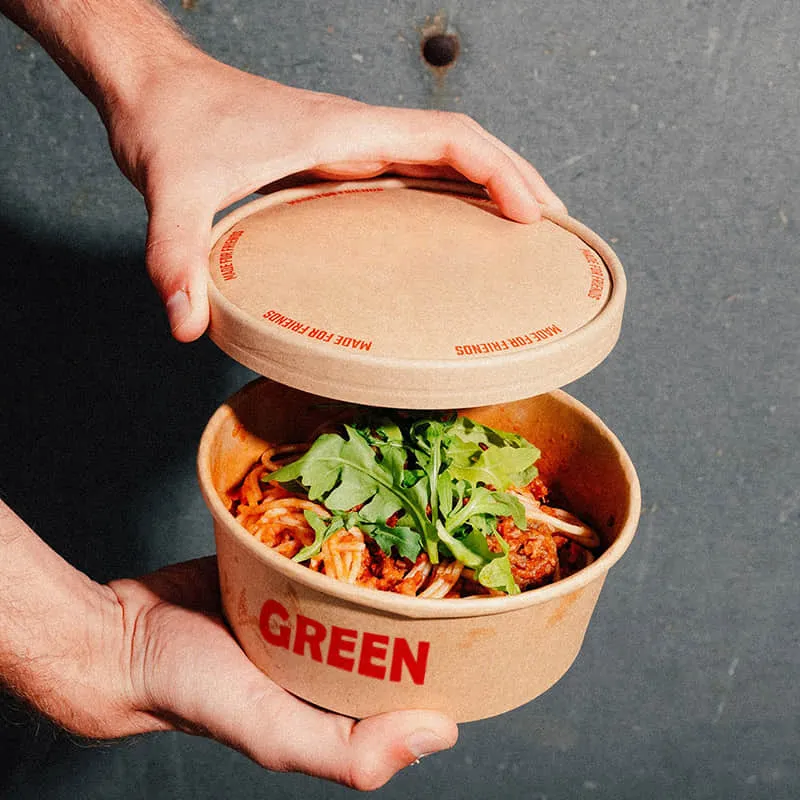
A paper lunch box can effectively prevent leaks and maintain food quality through careful design engineering, specialized coating technologies, and thoughtful material selection. Modern paper lunch box products incorporate multiple barrier layers, grease-resistant treatments, and structural reinforcements that address the fundamental challenges of liquid containment and food preservation. Understanding how these protective mechanisms work enables businesses and consumers to make informed decisions about food packaging solutions that deliver both environmental benefits and practical performance.
The leak prevention and quality maintenance capabilities of a paper lunch box depend on several interconnected factors including coating chemistry, construction techniques, and proper usage protocols. Professional food service operators increasingly rely on advanced paper lunch box designs that combine sustainability goals with operational requirements for mess-free transport and extended food freshness. These packaging solutions must balance permeability control with structural integrity while maintaining cost-effectiveness for commercial applications.
Barrier Technology and Coating Systems
Polyethylene and Aqueous Coating Applications
The primary mechanism for leak prevention in a paper lunch box involves specialized barrier coatings that create a moisture-resistant seal between the paper substrate and food contents. Polyethylene coatings represent the most common approach, where thin plastic films are laminated or extruded directly onto the paper surface during manufacturing. This coating process creates a continuous barrier that prevents liquid penetration while maintaining the paper's structural characteristics and printability for branding applications.
Aqueous barrier coatings offer an alternative approach that uses water-based polymer formulations to achieve grease and moisture resistance without traditional plastic lamination. These coatings penetrate partially into the paper fibers while forming a protective surface layer that repels oils and liquids. The aqueous coating method allows for better recyclability compared to polyethylene-laminated options while delivering comparable leak prevention performance for most food applications requiring a paper lunch box solution.
Advanced coating systems may incorporate multiple layers with different functional properties, such as a base coat for adhesion, a barrier layer for leak prevention, and a top coat for heat resistance or enhanced grease repellency. This multi-layer approach enables manufacturers to optimize each coating component for specific performance requirements while maintaining overall cost efficiency in paper lunch box production.
Wax and Natural Barrier Treatments
Wax-based treatments provide traditional leak prevention for paper lunch box applications through paraffin or food-grade wax impregnation that fills paper pores and creates a hydrophobic surface. These treatments work particularly well for dry and semi-dry food items but may have limitations with very hot or oily foods that can soften or penetrate wax barriers. The wax treatment process involves controlled heating and application methods that ensure even distribution throughout the paper structure.
Natural barrier treatments using plant-based polymers, chitosan, or alginate-derived coatings represent emerging technologies that enhance leak prevention while maintaining biodegradability characteristics. These bio-based barrier systems can provide effective moisture resistance for a paper lunch box while supporting sustainability objectives and regulatory compliance in markets that restrict petroleum-based packaging materials.
The selection between wax, natural, and synthetic barrier treatments depends on specific application requirements including temperature exposure, food acidity levels, storage duration, and disposal considerations. Each treatment type offers distinct advantages for different paper lunch box applications within food service operations.
Structural Design and Construction Methods
Seam Engineering and Joint Reinforcement
Effective leak prevention in a paper lunch box requires careful attention to seam construction and joint design where individual panels connect to form the container structure. Heat-sealed seams create the most reliable barrier against liquid penetration by fusing coating materials at joint interfaces under controlled temperature and pressure conditions. This sealing process eliminates gaps that could allow moisture or grease migration while maintaining structural integrity under normal handling stresses.
Adhesive-based seaming systems use specialized food-safe adhesives that maintain bonding strength across temperature variations and moisture exposure typical in food service applications. The adhesive selection must consider compatibility with barrier coatings, cure time requirements, and resistance to food acids or oils that might compromise joint integrity. Proper adhesive application requires precise dispensing control to ensure complete coverage without excess material that could contact food contents.
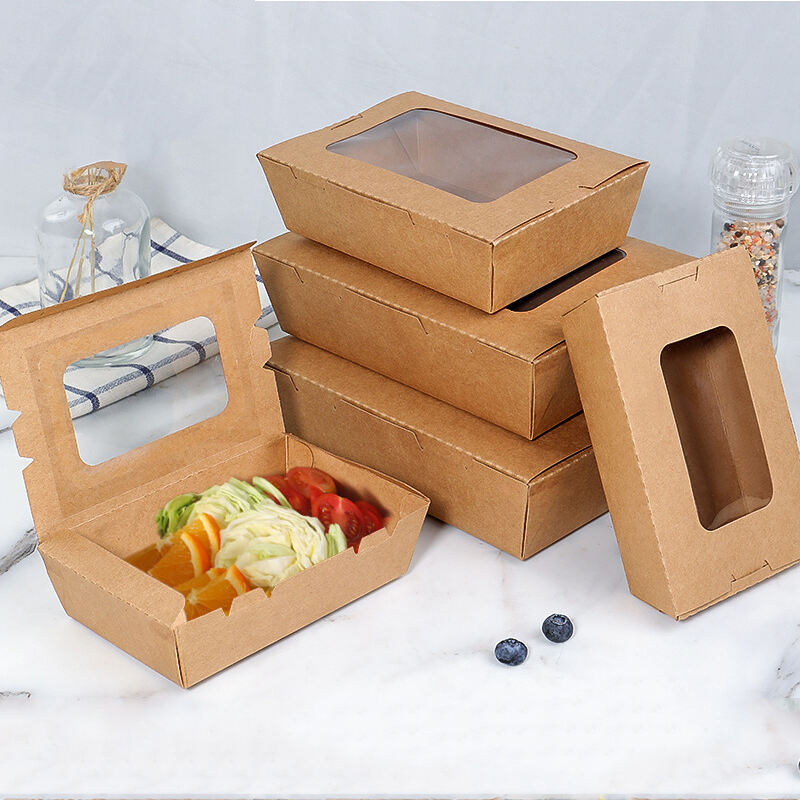
Mechanical interlocking designs incorporate folded tabs, crimped edges, or compression-fit assemblies that create physical barriers against leak paths while reducing dependence on adhesives or heat sealing. These construction methods work well for paper lunch box applications where rapid assembly and cost minimization are priorities, though they may require additional barrier treatments at joint interfaces for optimal leak prevention.
Bottom Panel Reinforcement and Corner Design
The bottom panel of a paper lunch box experiences the highest stress concentrations from food weight and liquid accumulation, requiring specific reinforcement strategies to prevent structural failure and leak development. Double-wall bottom construction uses two paper layers with barrier treatments on both surfaces, creating redundant protection against moisture penetration while distributing load stresses more evenly across the panel area.
Corner reinforcement techniques address the geometric stress concentrations that occur where multiple panels intersect at container corners. Radiused corners reduce sharp fold lines that can create stress concentration points and potential leak paths. Alternative approaches include corner gussets, triangular reinforcement patches, or specialized folding patterns that distribute stress loads while maintaining barrier continuity across complex geometric transitions.
The relationship between paper thickness, barrier coating properties, and structural design determines overall leak prevention capability for any paper lunch box application. Optimizing these factors requires understanding the specific load conditions, temperature exposure, and handling requirements for the intended food service application.
Food Quality Preservation Mechanisms
Moisture Control and Humidity Management
A properly designed paper lunch box maintains food quality by controlling moisture exchange between food contents and the external environment. Barrier coatings regulate water vapor transmission rates to prevent excessive moisture loss that can dry out foods while avoiding moisture accumulation that promotes bacterial growth or texture degradation. The vapor transmission characteristics must be matched to specific food types and expected storage conditions to optimize quality preservation.
Humidity buffering occurs when paper fibers absorb and release moisture in response to environmental changes, helping to moderate humidity fluctuations around food contents. This natural moisture regulation can benefit foods that are sensitive to rapid humidity changes, though it requires careful balance with barrier treatments that might reduce the paper's moisture absorption capacity in a paper lunch box design.
Controlled permeability designs use micro-perforated films or selective barrier treatments that allow controlled gas exchange while preventing liquid leakage. These approaches enable respiration in fresh foods while maintaining protective barriers against contamination and leak formation during transport and storage periods.
Temperature Stability and Heat Resistance
Heat resistance properties of a paper lunch box directly impact food quality maintenance during hot food service applications. Barrier coatings must maintain their protective properties across the temperature range encountered in food service, typically from refrigeration temperatures to serving temperatures exceeding 160°F. Coating degradation or delamination at elevated temperatures can compromise both leak prevention and food safety.
Thermal insulation characteristics of paper materials help moderate temperature changes that can affect food texture, flavor, and safety. The paper structure provides some insulation value that can help maintain food temperatures longer than plastic alternatives, though this benefit must be balanced against heat resistance requirements for the barrier treatments used in paper lunch box construction.
Steam resistance becomes critical for foods that generate water vapor during cooling or reheating processes. Effective barrier systems must resist steam penetration that could soften paper fibers or compromise seam integrity while allowing safe vapor release to prevent pressure buildup within the container.
Application Considerations and Usage Guidelines
Food Compatibility and Chemical Resistance
Different food types present varying challenges for leak prevention and quality maintenance in a paper lunch box application. Acidic foods such as tomato-based sauces or citrus items can potentially degrade certain barrier coatings or react with adhesive systems, requiring acid-resistant formulations or alternative construction methods. Understanding food chemistry compatibility helps ensure long-term performance and food safety compliance.
Grease and oil resistance represents a critical performance factor for many food service applications where a paper lunch box must contain fried foods, salad dressings, or other high-fat content items. The barrier treatment selection and application method must provide adequate grease resistance while maintaining other performance requirements such as heat stability and structural integrity during normal handling conditions.
Salt and sugar solutions present specific challenges due to their hygroscopic properties and potential for crystallization that can create stress concentrations in barrier films. Specialized treatments or container design modifications may be required for foods with high salt or sugar content to maintain effective leak prevention over extended storage periods.
Storage and Handling Requirements
Proper storage conditions significantly influence the leak prevention performance of a paper lunch box throughout its service life. Temperature fluctuations can cause expansion and contraction cycles that stress barrier coatings and seam joints, potentially creating leak paths if design margins are insufficient. Storage in controlled temperature environments helps maintain optimal performance characteristics.
Humidity control during storage prevents moisture absorption that can soften paper fibers or compromise adhesive bonds in container seams. High humidity exposure may also affect barrier coating properties and dimensional stability of the paper substrate, requiring appropriate storage protocols for optimal paper lunch box performance in food service applications.
Stacking and compression loads during transport and storage must be considered in container design to prevent structural deformation that could compromise barrier integrity. Proper load distribution and stacking height limitations help maintain container geometry and seam integrity under normal handling conditions encountered in commercial food service operations.
FAQ
What makes a paper lunch box truly leak-proof compared to regular paper containers?
A leak-proof paper lunch box incorporates specialized barrier coatings such as polyethylene lamination or aqueous polymer treatments that create a continuous moisture barrier between the paper and food contents. Additionally, these containers feature engineered seam construction with heat-sealed or adhesive joints that eliminate gaps where liquids could penetrate. The combination of barrier technology and precision construction methods enables leak prevention performance comparable to plastic containers while maintaining the environmental benefits of paper-based packaging.
How long can a paper lunch box maintain food quality without refrigeration?
Food quality maintenance in a paper lunch box depends on the specific foods, ambient temperature conditions, and container barrier properties. Generally, properly designed paper lunch boxes can maintain food quality for 2-4 hours at room temperature for most prepared foods, with longer periods possible for dry or low-moisture items. The barrier coatings help regulate moisture exchange and prevent contamination, while the paper structure provides some thermal insulation that moderates temperature changes affecting food safety and quality.
Can a paper lunch box handle hot foods without compromising leak prevention?
Modern paper lunch box designs with appropriate barrier treatments can safely handle hot foods up to typical serving temperatures around 160-180°F. Heat-resistant coatings and adhesive systems maintain their protective properties across this temperature range, preventing both leak formation and barrier degradation. However, extremely hot foods may require specialized heat-resistant formulations or brief cooling periods to ensure optimal performance and prevent potential coating softening that could affect leak prevention capabilities.
What types of foods are best suited for paper lunch box packaging?
A paper lunch box works well for most prepared foods including sandwiches, salads, pasta dishes, rice bowls, and other items with moderate moisture content. Foods with high grease content, very acidic items, or extremely hot liquids may require specialized barrier treatments or container design modifications for optimal performance. The key is matching the barrier properties and construction method to the specific chemical and physical characteristics of the intended food contents to ensure both leak prevention and quality maintenance throughout the intended service period.
Table of Contents
- Barrier Technology and Coating Systems
- Structural Design and Construction Methods
- Food Quality Preservation Mechanisms
- Application Considerations and Usage Guidelines
-
FAQ
- What makes a paper lunch box truly leak-proof compared to regular paper containers?
- How long can a paper lunch box maintain food quality without refrigeration?
- Can a paper lunch box handle hot foods without compromising leak prevention?
- What types of foods are best suited for paper lunch box packaging?