
 EN
EN

Proper packaging plays a crucial role in maintaining the freshness and quality of baked goods, particularly delicate items like cupcakes. Professional bakers and confectionery businesses understand that the right storage solutions can significantly extend product shelf life while preserving taste, texture, and visual appeal. Cupcake boxes serve as more than just attractive presentation tools—they function as protective barriers against environmental factors that can compromise the integrity of your baked creations.
The science behind food preservation reveals that exposure to air, moisture, light, and temperature fluctuations accelerates the deterioration process in baked goods. When cupcakes remain unprotected, they become vulnerable to staleness, moisture loss, and contamination from airborne particles. Quality cupcake boxes create a controlled microenvironment that shields these delicate products from harmful external elements, effectively slowing down the natural degradation process.
Modern bakery operations rely heavily on efficient packaging systems to maintain product quality during storage, transportation, and retail display. The investment in proper cupcake boxes translates directly into reduced product waste, enhanced customer satisfaction, and improved profit margins. Understanding the specific ways these containers contribute to shelf life extension empowers business owners to make informed packaging decisions that benefit both their operations and their customers.
Material Science Behind Protective Packaging
Cardboard Construction Benefits
High-quality cardboard used in cupcake boxes provides excellent barrier properties against moisture infiltration while allowing controlled air circulation. The fibrous structure of cardboard materials creates multiple layers of protection, preventing direct contact between baked goods and external humidity. This natural breathability prevents condensation buildup inside the container, which could otherwise lead to soggy textures or mold development.
The thickness and density of cardboard directly impact its protective capabilities. Premium cupcake boxes utilize corrugated or multi-layer cardboard construction that offers superior structural integrity and insulation properties. These enhanced materials maintain consistent internal temperatures, reducing the thermal stress that can cause moisture migration and texture changes in delicate frosting and cake layers.
Food-grade cardboard treatments ensure that packaging materials remain safe for direct food contact while providing additional protective benefits. These specialized coatings create moisture-resistant surfaces that prevent absorption of oils and fats from baked goods, maintaining both the integrity of the packaging and the quality of the contents throughout extended storage periods.
Window Film Technology
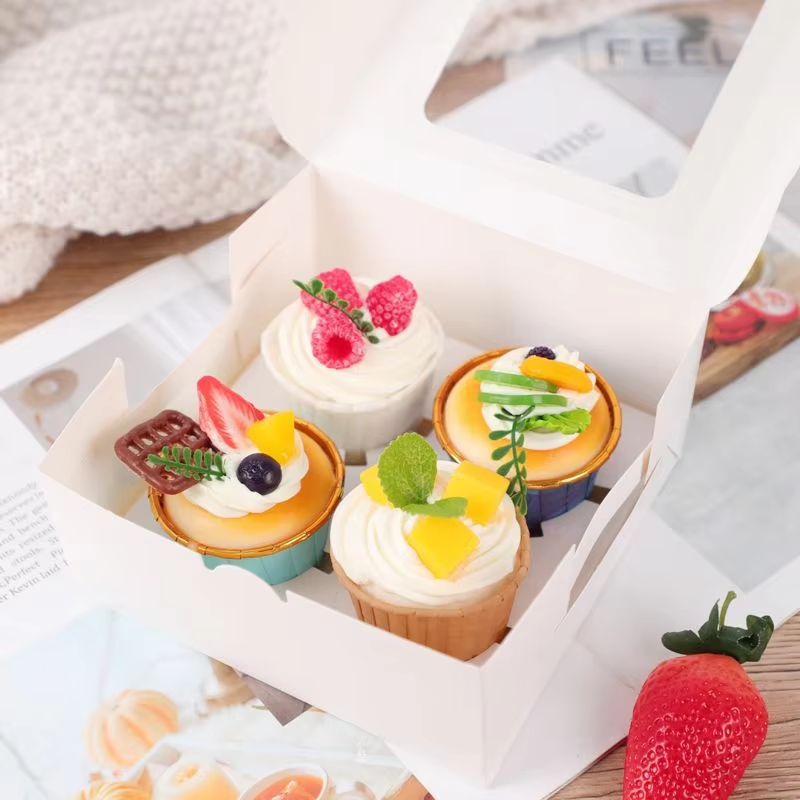
Clear window panels incorporated into cupcake boxes serve multiple preservation functions beyond visual appeal. The transparent films used in these windows typically feature UV-blocking properties that protect delicate decorative elements and prevent color fading in frosting and decorative toppings. This protection is particularly valuable for cupcakes featuring natural colorings that may be sensitive to light exposure.
Advanced window films also provide additional moisture barrier protection while maintaining complete visibility of the products. These materials undergo specialized manufacturing processes that ensure they remain flexible and crack-resistant during temperature changes, preventing the formation of gaps that could compromise the protective seal of the packaging.
The optical clarity of window films allows customers to visually inspect products without opening the containers, reducing handling that could introduce contaminants or cause damage. This feature supports both food safety protocols and shelf life extension by minimizing unnecessary exposure to ambient conditions during the selection process.
Environmental Protection Mechanisms
Moisture Control Systems
Effective moisture management represents one of the most critical functions of cupcake boxes in extending shelf life. The controlled environment within properly sealed containers maintains optimal humidity levels that prevent both excessive drying and moisture accumulation. This balance is essential for preserving the tender crumb structure of cupcakes while preventing the growth of bacteria and mold that thrive in high-moisture conditions.
Strategic ventilation features in cupcake boxes allow for controlled air exchange that prevents the buildup of excess moisture from natural respiration processes in baked goods. These carefully designed openings enable the escape of water vapor while preventing the entry of external humidity, creating a stable microclimate that extends freshness periods significantly.
The geometry and spacing of individual compartments within multi-cupcake boxes contribute to moisture management by preventing direct contact between products. This separation reduces the transfer of moisture between items and prevents the acceleration of spoilage that can occur when one product begins to deteriorate and affects adjacent items.
Temperature Stability
Insulation properties inherent in cupcake boxes help moderate temperature fluctuations that can damage baked goods during storage and transportation. The air spaces within cardboard construction create thermal barriers that slow heat transfer, protecting products from rapid temperature changes that could cause condensation, texture changes, or structural damage to delicate decorations.
Consistent internal temperatures maintained by quality packaging reduce the stress on fat-based ingredients in both cake and frosting components. Temperature stability prevents the melting and re-solidification cycles that can lead to texture deterioration, oil separation, and loss of structural integrity in decorated cupcakes.
The thermal mass provided by properly designed cupcake boxes creates a buffer against short-term temperature excursions, allowing products to maintain their optimal condition even when exposed to brief periods of unfavorable ambient conditions during handling or transport.
Contamination Prevention Strategies
Physical Barrier Protection
Sealed cupcake boxes create effective physical barriers against airborne contaminants that can compromise food safety and accelerate spoilage. Dust, pollen, and other particulates in the environment can settle on exposed baked goods, introducing foreign matter that may carry bacteria or cause allergic reactions in sensitive consumers.
The secure closure systems employed in professional cupcake boxes prevent access by insects and other pests that could contaminate products or cause physical damage. These protective barriers are particularly important in retail environments where products may be displayed for extended periods before purchase.
Proper packaging also prevents cross-contamination between different products and flavors, maintaining the intended taste profiles and preventing the transfer of allergens. This protection is crucial for businesses serving customers with dietary restrictions or food sensitivities.
Hygiene Maintenance
Clean, unused cupcake boxes provide sterile environments for freshly baked products, reducing the initial bacterial load that could lead to accelerated spoilage. The manufacturing processes used for food-grade packaging ensure that containers are free from harmful microorganisms and chemical residues that could compromise food safety.
Individual compartments in multi-product boxes prevent direct handling of cupcakes during selection and serving, reducing the risk of contamination from human contact. This feature is particularly valuable in self-service retail environments where multiple customers may handle packaging before making purchase decisions.
The smooth, non-porous surfaces of quality cupcake boxes resist the accumulation of bacteria and are easy to clean if external contamination occurs. This characteristic supports food safety protocols and extends the useful life of packaging materials in commercial applications.
Structural Integrity and Product Protection
Impact Resistance
Robust construction in cupcake boxes provides essential protection against physical damage during handling, stacking, and transportation. The structural integrity of quality packaging prevents crushing forces from reaching delicate cake layers and decorative elements, preserving both the appearance and texture of products throughout the distribution chain.
Strategic reinforcement areas in cupcake boxes distribute stress forces away from vulnerable product areas, reducing the risk of damage from impacts or pressure. These design features are particularly important for decorated cupcakes with tall or intricate frosting designs that could be easily damaged by minor disturbances.
The cushioning effect provided by properly fitted compartments prevents products from shifting during transport, eliminating the friction and collision damage that can occur when cupcakes move freely within containers. This stabilization maintains the professional appearance that customers expect from premium baked goods.
Stacking Capabilities
Professional cupcake boxes feature design elements that enable safe stacking without compromising the products inside. Reinforced corners and edges distribute the weight of upper containers across the structural framework rather than transferring pressure directly to the products below.
Proper stacking capabilities maximize storage efficiency in bakery operations while maintaining product quality throughout extended storage periods. This feature is particularly valuable for businesses that need to prepare large quantities of cupcakes in advance for special events or peak demand periods.
The standardized dimensions of quality cupcake boxes ensure compatibility with standard refrigeration and storage equipment, optimizing space utilization while maintaining proper air circulation around stored products. This compatibility supports efficient inventory management and rotation practices that contribute to overall freshness maintenance.
Cost-Effectiveness and Business Benefits
Waste Reduction
Investment in quality cupcake boxes significantly reduces product waste by extending shelf life and maintaining saleable quality for longer periods. The protection provided by proper packaging prevents the premature deterioration that forces businesses to discard products before they can be sold, directly improving profit margins and reducing operational costs.
Extended shelf life capabilities allow businesses to prepare products further in advance, improving production scheduling efficiency and reducing the pressure for same-day sales. This flexibility enables better inventory management and reduces the stress associated with time-sensitive perishable goods.
Reduced handling requirements for protected products minimize labor costs associated with product rotation, quality checking, and waste disposal. The predictable storage life provided by effective packaging allows for more accurate production planning and inventory control.
Customer Satisfaction
Customers consistently receive higher quality products when cupcakes are properly packaged, leading to improved satisfaction scores and repeat business. The maintained freshness and appearance of well-protected baked goods create positive brand associations that encourage customer loyalty and word-of-mouth referrals.
Professional presentation achieved through quality cupcake boxes enhances the perceived value of products, supporting premium pricing strategies and improving overall profitability. The visual appeal of well-packaged goods influences purchasing decisions and creates positive first impressions with potential customers.
Consistent product quality delivered through effective packaging builds trust between businesses and their customers, establishing reliable expectations that support long-term business relationships. This reliability is particularly important for special event orders where quality consistency is critical to customer satisfaction.
Implementation Best Practices
Selection Criteria
Choosing appropriate cupcake boxes requires careful consideration of product characteristics, storage conditions, and distribution requirements. The size and configuration of containers should match the specific dimensions and quantities of products being packaged to ensure optimal protection without excessive material waste.
Material quality assessments should focus on food safety certifications, barrier properties, and structural integrity under expected use conditions. Higher-grade materials may require larger initial investments but typically provide better protection and longer-term cost savings through reduced product loss.
Environmental considerations include the recyclability and biodegradability of packaging materials, which increasingly influence customer purchasing decisions and regulatory compliance requirements. Sustainable packaging options can provide marketing advantages while supporting corporate responsibility initiatives.
Storage and Handling Protocols
Proper storage techniques for packaged cupcakes maximize the shelf life benefits provided by quality containers. Storage areas should maintain consistent temperatures and humidity levels while providing adequate ventilation to prevent the accumulation of moisture around packaging materials.
Handling procedures should minimize mechanical stress on packaged products while ensuring efficient workflow in commercial operations. Training staff on proper lifting, stacking, and rotation techniques helps maintain package integrity throughout the storage and distribution process.
Regular quality monitoring of stored products enables early detection of any packaging failures or environmental issues that could compromise shelf life. Systematic inspection protocols help maintain consistent product quality and identify opportunities for process improvements.
FAQ
How much longer can cupcake boxes extend the shelf life of baked goods?
Quality cupcake boxes can extend shelf life by 2-4 days compared to unpackaged products, depending on environmental conditions and product characteristics. The controlled environment within proper packaging slows moisture loss and prevents contamination, maintaining freshness significantly longer than exposed storage methods.
What materials in cupcake boxes provide the best protection?
Food-grade cardboard with moisture-resistant coatings offers optimal protection for most applications. Multi-layer construction provides superior barrier properties, while clear window films with UV protection help maintain product appearance. The combination of these materials creates comprehensive protection against environmental factors that cause deterioration.
Can cupcake boxes prevent mold growth in humid conditions?
Properly designed cupcake boxes with controlled ventilation features help manage humidity levels and reduce mold risk. While packaging cannot eliminate mold growth entirely in extremely humid conditions, quality containers significantly slow the development of harmful microorganisms by maintaining more stable internal environments and preventing external moisture infiltration.
Are there specific storage temperature requirements for boxed cupcakes?
Boxed cupcakes perform best when stored at consistent temperatures between 65-75°F with moderate humidity levels. While cupcake boxes provide some insulation against temperature fluctuations, maintaining stable storage conditions maximizes the protective benefits and extends shelf life. Refrigeration may be necessary for products with perishable fillings or decorations, but room temperature storage is suitable for most standard cupcakes in quality packaging.