
 EN
EN

The food service industry has experienced unprecedented growth in recent years, with takeaway packaging becoming an essential component of modern dining experiences. As consumer demand for convenient food delivery and takeout options continues to rise, restaurants and food businesses are increasingly recognizing the critical importance of sustainable takeaway packaging solutions. The environmental impact of traditional packaging materials has prompted a significant shift toward eco-friendly alternatives that reduce waste while maintaining functionality and customer satisfaction.
Modern takeaway packaging faces unique challenges in balancing environmental responsibility with practical requirements such as food safety, temperature retention, and cost-effectiveness. The evolution from conventional plastic containers to innovative biodegradable materials represents a fundamental transformation in how the industry approaches packaging design and sustainability. This transformation extends beyond mere material selection to encompass entire supply chain considerations, manufacturing processes, and end-of-life disposal methods.
Environmental Impact of Traditional Packaging Materials
Plastic Waste Accumulation in Ecosystems
Traditional takeaway packaging materials, particularly single-use plastics, contribute significantly to global environmental degradation. These materials can persist in natural environments for hundreds of years, accumulating in landfills, waterways, and marine ecosystems. The breakdown of plastic packaging releases microplastics into soil and water systems, creating long-term contamination that affects wildlife and potentially human health through the food chain.
Research indicates that takeaway packaging represents a substantial portion of municipal solid waste, with millions of containers discarded daily across urban areas. The lightweight nature of these materials often leads to wind-blown litter, further expanding the geographic impact of packaging waste. Marine environments suffer particularly severe consequences, as plastic packaging fragments are frequently mistaken for food by marine animals, leading to internal injuries and ecosystem disruption.
Carbon Footprint of Conventional Manufacturing
The production of traditional takeaway packaging materials involves energy-intensive manufacturing processes that contribute significantly to greenhouse gas emissions. Petroleum-based plastics require fossil fuel extraction, refining, and chemical processing, each stage generating substantial carbon dioxide and other pollutants. Transportation of raw materials and finished products across global supply chains further amplifies the environmental impact of conventional packaging solutions.
Manufacturing facilities often rely on non-renewable energy sources, compounding the carbon footprint associated with takeaway packaging production. The cumulative effect of producing billions of disposable containers annually represents a considerable contribution to climate change, emphasizing the urgent need for sustainable alternatives that reduce both material waste and production-related emissions.
Sustainable Takeaway Packaging Solutions
Biodegradable Material Innovations
Revolutionary biodegradable materials are transforming the takeaway packaging landscape, offering environmentally responsible alternatives that maintain functional performance while significantly reducing ecological impact. Plant-based polymers derived from cornstarch, sugarcane, and other renewable resources provide excellent barrier properties and structural integrity comparable to traditional plastics. These innovative materials decompose naturally under appropriate conditions, typically within months rather than centuries.
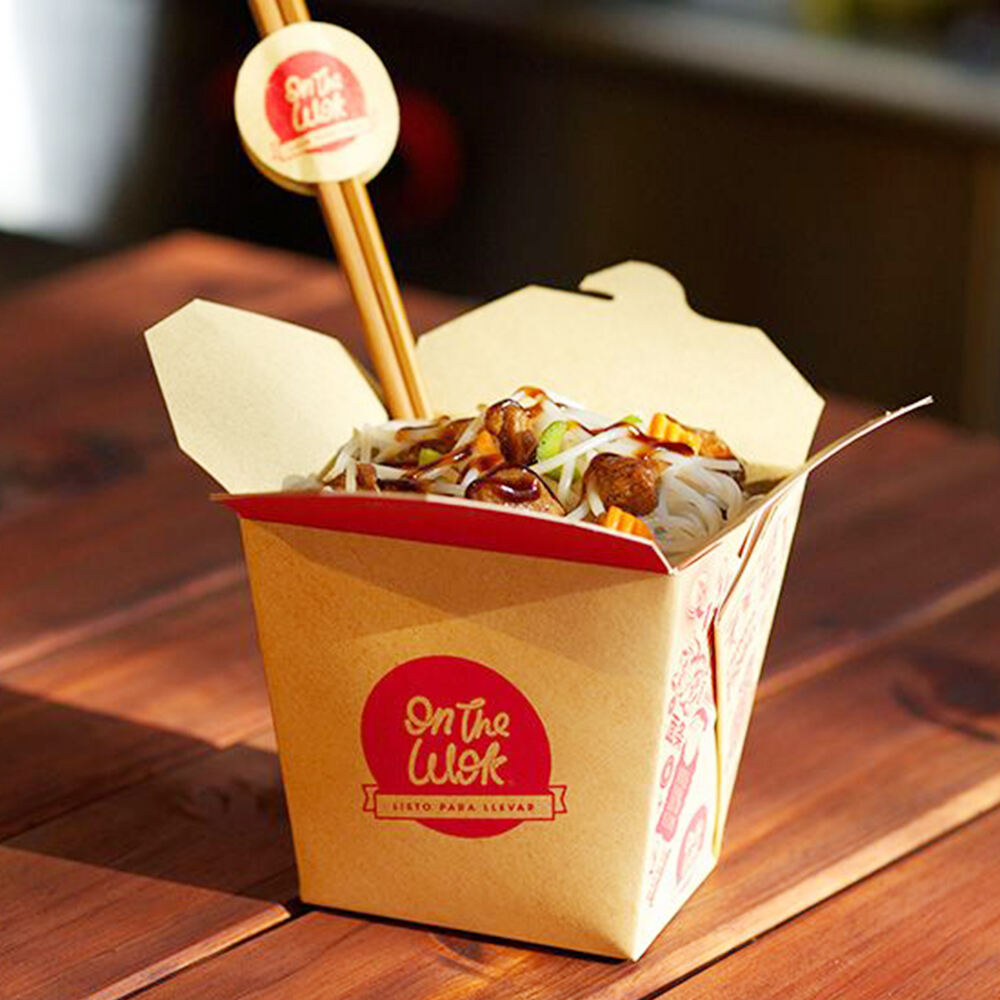
Paper-based takeaway packaging has experienced significant technological advancement, with specialized coatings and treatments enabling superior grease resistance and moisture barriers. Kraft paper bags enhanced with biodegradable linings provide excellent food containment while maintaining compostable properties. These materials offer customization opportunities through printing and branding while supporting corporate sustainability initiatives.
Compostable Container Technologies
Advanced compostable takeaway packaging incorporates sophisticated material science to create containers that break down completely in commercial composting facilities. These technologies utilize cellulose fibers, agricultural waste products, and other organic materials that transform into nutrient-rich soil amendments when properly processed. The composting process typically requires controlled temperature, moisture, and microbial conditions to achieve complete decomposition within established timeframes.
Certification programs such as ASTM D6400 and EN 13432 provide standardized testing protocols to verify compostability claims, ensuring that takeaway packaging materials meet rigorous performance and environmental standards. These certifications give businesses and consumers confidence in the sustainability credentials of packaging choices while facilitating proper waste management practices through clear labeling and disposal guidance.
Business Benefits of Sustainable Packaging
Brand Differentiation and Customer Loyalty
Sustainable takeaway packaging serves as a powerful brand differentiator in increasingly competitive food service markets, demonstrating corporate environmental responsibility and attracting environmentally conscious consumers. Businesses that prioritize eco-friendly packaging solutions often experience enhanced brand perception and increased customer loyalty, particularly among younger demographics who actively seek environmentally responsible dining options.
Marketing opportunities arise naturally from sustainable packaging choices, enabling restaurants to highlight their environmental commitments through packaging design, social media campaigns, and customer education initiatives. Custom branding on biodegradable takeaway packaging reinforces brand identity while communicating sustainability values, creating positive associations that extend beyond individual transactions to long-term customer relationships.
Regulatory Compliance and Risk Management
Government regulations increasingly restrict single-use plastic packaging, with many jurisdictions implementing bans or taxes on conventional takeaway packaging materials. Proactive adoption of sustainable alternatives ensures regulatory compliance while avoiding potential penalties or operational disruptions associated with sudden policy changes. This forward-thinking approach positions businesses advantageously as environmental regulations continue evolving.
Risk management benefits extend to supply chain stability, as sustainable takeaway packaging often relies on diverse material sources and manufacturing locations, reducing dependence on petroleum-based inputs subject to price volatility. Long-term cost predictability improves when businesses invest in renewable material alternatives that insulate operations from fossil fuel market fluctuations.
Implementation Strategies for Food Businesses
Gradual Transition Planning
Successful implementation of sustainable takeaway packaging requires careful planning and phased transition strategies that minimize operational disruption while maximizing environmental benefits. Businesses should begin by conducting comprehensive audits of current packaging usage, identifying high-volume items and priority categories for initial conversion. This systematic approach allows for thorough testing and optimization before full-scale deployment.
Staff training programs ensure proper handling, storage, and customer communication regarding new takeaway packaging materials. Employee education covers material properties, disposal instructions, and sustainability messaging that enhances customer experience while reinforcing environmental commitments. Regular feedback collection from staff and customers provides valuable insights for continuous improvement and refinement of packaging choices.
Cost Management and ROI Considerations
While sustainable takeaway packaging may involve higher initial costs compared to conventional alternatives, comprehensive analysis reveals multiple sources of return on investment that justify the transition. Operational efficiencies, waste reduction, and brand enhancement contribute to overall value creation that extends beyond direct material costs. Volume purchasing agreements and supplier partnerships often reduce unit prices for sustainable packaging options.
Marketing value from sustainable takeaway packaging initiatives generates measurable returns through increased customer acquisition, higher average transaction values, and improved customer retention rates. Social media engagement and positive reviews frequently increase when businesses demonstrate authentic environmental commitments through tangible actions like eco-friendly packaging adoption.
Consumer Education and Engagement
Disposal Instructions and Composting Guidelines
Effective consumer education regarding proper disposal of sustainable takeaway packaging maximizes environmental benefits while building customer awareness of sustainability initiatives. Clear labeling systems indicate appropriate disposal methods, whether through commercial composting, home composting, or specialized recycling programs. Visual guides and instructional materials help customers understand the unique properties of biodegradable and compostable materials.
Partnership with local waste management facilities and composting programs creates comprehensive disposal solutions that support the complete lifecycle of sustainable takeaway packaging. Educational campaigns through digital platforms, in-store materials, and packaging inserts reinforce proper disposal practices while highlighting the environmental benefits of customer participation in sustainability initiatives.
Sustainability Messaging and Transparency
Authentic sustainability messaging communicates the environmental benefits of takeaway packaging choices without overselling or making unsubstantiated claims. Transparency in material sourcing, manufacturing processes, and environmental impact data builds customer trust while educating consumers about the complexity of packaging sustainability. Regular updates on environmental impact metrics and sustainability progress maintain ongoing customer engagement.
Storytelling approaches that highlight the journey from raw materials to finished takeaway packaging create emotional connections with environmentally conscious consumers. Behind-the-scenes content showcasing supplier partnerships, manufacturing processes, and environmental benefits provides compelling narratives that differentiate brands while supporting broader sustainability education efforts.
Future Innovations in Takeaway Packaging
Emerging Material Technologies
Revolutionary material technologies continue advancing the capabilities of sustainable takeaway packaging, with innovations in nanotechnology, biotechnology, and materials science creating unprecedented opportunities for environmental improvement. Edible packaging materials derived from seaweed, proteins, and other natural substances eliminate waste entirely while providing functional food containment. These breakthrough technologies represent the future frontier of packaging sustainability.
Smart packaging integration incorporates sensors and indicators that monitor food safety, temperature, and freshness while maintaining biodegradable properties. These advanced takeaway packaging solutions enhance food quality and reduce waste through improved supply chain visibility and consumer information. The convergence of sustainability and technology creates new possibilities for packaging that actively contributes to food system efficiency.
Circular Economy Integration
Circular economy principles are reshaping takeaway packaging design and lifecycle management, emphasizing material recovery, reprocessing, and closed-loop systems that eliminate waste. Advanced recycling technologies enable the transformation of used packaging materials into new products, creating continuous material flows that reduce virgin resource consumption. These systems require collaboration across supply chains to establish collection, processing, and redistribution networks.
Reusable takeaway packaging programs are emerging as viable alternatives for frequent customers and subscription-based food services. These systems utilize durable, washable containers that eliminate single-use waste while maintaining convenience and food safety standards. Digital tracking and return logistics enable efficient management of reusable packaging inventories while providing valuable data on usage patterns and environmental impact.
FAQ
What makes takeaway packaging truly sustainable
Sustainable takeaway packaging combines biodegradable or compostable materials with responsible manufacturing processes, minimal environmental impact during production, and proper end-of-life disposal options. Key characteristics include renewable raw material sources, certified compostability standards, reduced carbon footprint during manufacturing, and compatibility with existing waste management infrastructure. The most sustainable options often incorporate multiple environmental benefits, such as plant-based materials that sequester carbon during growth while providing excellent functional performance.
How do biodegradable containers compare in cost to traditional options
Biodegradable takeaway packaging typically costs 10-30% more than traditional plastic alternatives initially, but total cost of ownership analysis reveals narrowing price gaps and potential savings through operational efficiencies. Volume purchasing, supplier partnerships, and improving manufacturing technologies continue reducing price premiums for sustainable options. Many businesses find that increased customer loyalty, brand differentiation, and regulatory compliance benefits justify higher material costs, particularly when factoring in long-term risk management and market positioning advantages.
Can sustainable takeaway packaging maintain food safety standards
Modern sustainable takeaway packaging meets or exceeds food safety requirements through advanced material technologies and rigorous testing protocols. Biodegradable materials undergo extensive evaluation for barrier properties, chemical migration, and microbial resistance to ensure food safety throughout storage and transport. Many eco-friendly options provide superior performance characteristics compared to traditional materials, including better temperature retention, moisture control, and contamination prevention while maintaining complete biodegradability.
What disposal methods work best for eco-friendly containers
Optimal disposal methods for sustainable takeaway packaging depend on material composition and local waste management infrastructure. Certified compostable containers perform best in commercial composting facilities that maintain proper temperature, moisture, and microbial conditions for complete decomposition. Home composting works for some materials but requires longer timeframes and specific conditions. Paper-based packaging often integrates well with existing recycling systems, while some biodegradable plastics require specialized industrial processing facilities for proper breakdown.