
 EN
EN
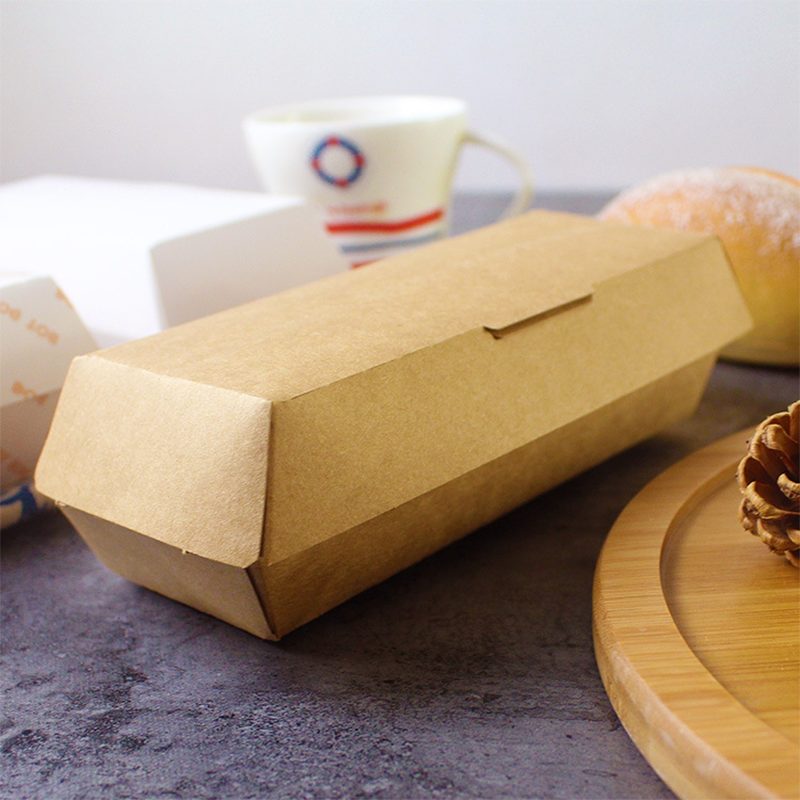
Food spillage remains one of the most persistent challenges in the restaurant and food delivery industry. Every year, businesses lose significant revenue and reputation due to damaged meals reaching customers. Effective takeaway packaging plays a critical role in minimizing this problem by combining smart design, durable materials, and proper construction techniques. Understanding how takeaway packaging reduces food spillage during transportation is essential for any food business looking to improve customer satisfaction and reduce waste. The right takeaway packaging solution addresses multiple factors simultaneously, from moisture resistance to structural integrity, ensuring that meals arrive fresh and intact regardless of handling conditions or delivery distance.
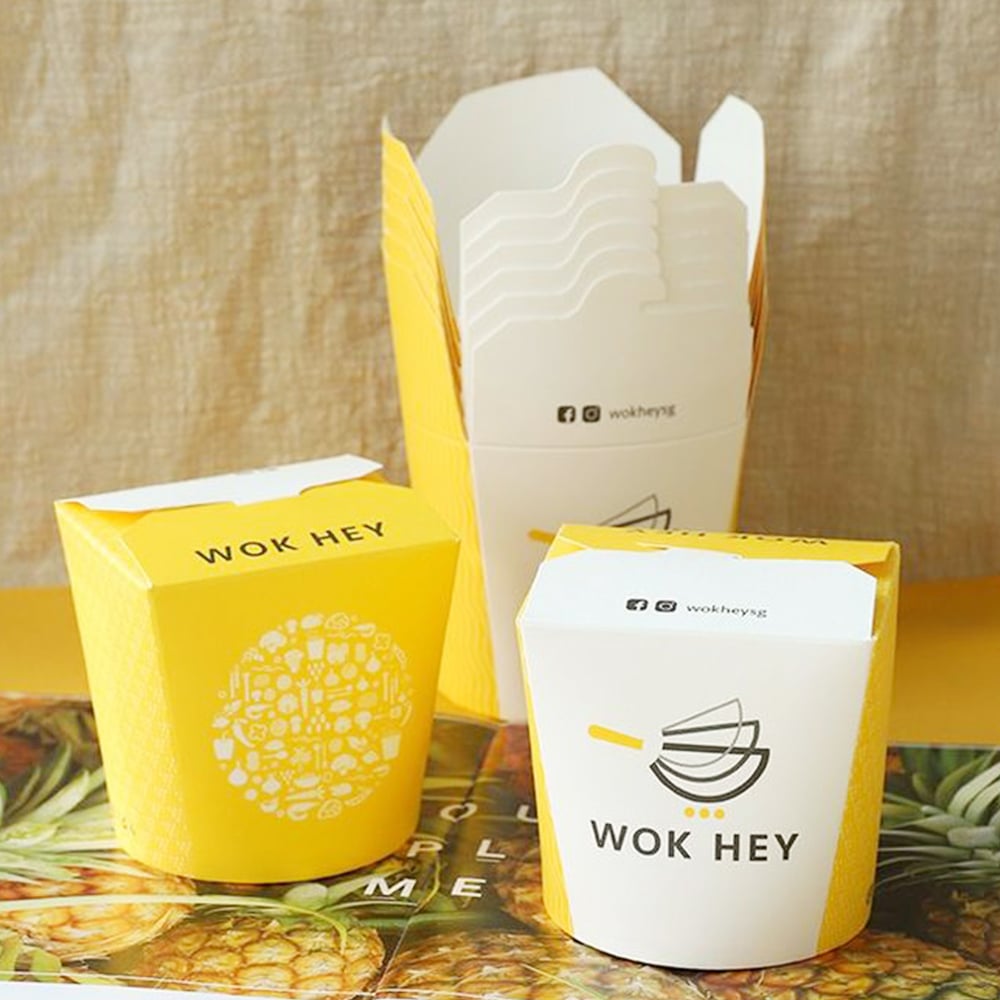
Modern takeaway packaging has evolved far beyond basic disposable containers. Today's solutions incorporate advanced structural design, reinforced sealing mechanisms, and material innovations specifically engineered to protect food during transit. Whether shipping noodle boxes, soup containers, or multi-compartment meals, the science of effective takeaway packaging involves understanding how physical forces, environmental factors, and container design work together. Businesses that invest in premium takeaway packaging options report measurably higher customer satisfaction scores and lower complaint rates. This article explores the practical mechanisms by which takeaway packaging prevents spillage, the key design features that matter most, and how to select the right packaging solutions for your specific food business needs.
Structural Design Features in Protective Takeaway Packaging
Reinforced Base and Corner Construction
The foundation of any effective takeaway packaging system starts with structural integrity at the base. Traditional thin-walled containers fail because they lack sufficient rigidity to maintain shape under compression, stacking pressure, or impact during delivery. Advanced takeaway packaging designs feature reinforced base layers with thicker material distribution, strategic ribbing patterns, and reinforced corners that absorb and distribute stress evenly. When a delivery vehicle brakes suddenly or navigates a sharp turn, properly engineered takeaway packaging maintains its shape rather than collapsing inward and forcing contents to spill. Corner reinforcement is particularly critical because pressure naturally concentrates at junction points. Quality takeaway packaging incorporates folded flaps, overlapping seams, or dual-wall construction at corners specifically designed to prevent crushing and container deformation.
Secure Lid and Seal Mechanisms
The connection between container and lid represents the primary failure point in many takeaway packaging systems. Standard friction-fit lids often dislodge during rough handling, transport vibrations, or temperature fluctuations that cause material expansion. Superior takeaway packaging implements multiple sealing strategies including interlocking tab systems, adhesive safety seals, or crimped edges that create mechanical locks stronger than simple friction. Dual-layer lids in premium takeaway packaging provide thermal insulation while creating a more secure seal. Some modern takeaway packaging designs incorporate safety flaps that require intentional engagement to open, preventing accidental spills while contents are in transit. Testing shows that takeaway packaging with reinforced sealing mechanisms reduces spillage incidents by up to seventy percent compared to basic containers, making the investment highly cost-effective for food delivery operations.
Material Selection and Moisture Management in Takeaway Packaging
Grease-Resistant and Moisture-Barrier Coatings
Food spillage doesn't only result from containers tipping or collapsing—it often originates from materials absorbing moisture and losing structural integrity. Standard kraft paper takeaway packaging can absorb grease and condensation, gradually weakening the container from the inside out. Modern takeaway packaging solutions incorporate specialized PE or PLA coatings that create moisture barriers while remaining food-safe and compostable. These coating layers in quality takeaway packaging prevent grease saturation, maintain container rigidity throughout transit, and preserve the seal integrity of lids and closures. The grease-resistant properties of premium takeaway packaging are especially critical for oily foods, soups, and sauced dishes that naturally generate condensation. Businesses switching to coated takeaway packaging typically observe immediate reduction in leakage complaints and structural failures during transportation.
Ventilation and Condensation Control
Excessive internal moisture creates pressure buildup inside sealed takeaway packaging, which can force lids open or create weak points where contents escape. Strategic ventilation holes or moisture-release perforations in advanced takeaway packaging design allow steam to escape gradually without compromising the seal. These micro-ventilation features in quality takeaway packaging prevent the pressure differential that causes sudden lid separation during delivery. Breathable membrane technology in premium takeaway packaging allows moisture vapor to escape while blocking liquid leakage—a sophisticated solution that addresses condensation without sacrificing protection. Thermal imaging studies of takeaway packaging in transit show that vented designs maintain more stable internal temperatures and humidity levels, reducing the mechanical stress that leads to seal failure. Food businesses specializing in hot foods particularly benefit from takeaway packaging with integrated condensation management.
Functional Design Elements That Prevent Spillage During Transportation
Compartmentalized and Divided Interior Spaces
Many spillage incidents occur when different food components shift and mix during transport, creating excess moisture and pressure. Modern takeaway packaging incorporates internal dividers, compartmented sections, or insert trays that isolate different food items and prevent movement. This compartmentalization in quality takeaway packaging reduces sloshing of liquids, prevents sauce from saturating starches, and keeps foods fresh by maintaining separation. Custom-designed takeaway packaging with fitted dividers is particularly effective for multi-component meals, bento boxes, or orders containing sauces packaged separately. When food items remain stationary inside takeaway packaging during delivery, structural stress decreases dramatically, reducing the likelihood of spillage. Companies that upgraded to compartmentalized takeaway packaging report substantially fewer customer complaints about mixed or damaged meals.
Proper Weight Distribution and Stacking Capability
Delivery logistics often involve stacking multiple orders, and poorly designed takeaway packaging fails under the cumulative weight load. Professional-grade takeaway packaging features reinforced top walls, internal support structures, and tested stacking limits clearly marked on containers. These engineering details in commercial takeaway packaging ensure that whether a single container or ten containers are stacked, the bottom units maintain structural integrity. Crushable takeaway packaging creates disaster during multi-order deliveries, generating pressure that forces contents toward weaker points and causes spills. Advanced takeaway packaging designs pass rigorous stacking tests and maintain seal integrity even under loads exceeding normal delivery scenarios. Understanding the stacking capability of your takeaway packaging is essential for high-volume delivery operations, directly impacting spillage rates and customer satisfaction metrics.
FAQ
What materials are most effective for reducing spillage in takeaway packaging?
Kraft paper with PE or PLA coatings represents the ideal balance for modern takeaway packaging, offering moisture resistance, grease protection, and structural rigidity. Multi-wall construction and reinforced cardstock further improve spillage prevention in takeaway packaging by distributing stress more effectively than single-wall designs. The coating thickness and quality significantly impact how well takeaway packaging performs during actual delivery conditions, so premium options justify their higher cost through measurably lower spillage rates.
How does lid design impact spillage rates in takeaway packaging?
Lid design is critical because poorly fitted lids are a primary source of spillage in takeaway packaging. Interlocking designs, crimped edges, and safety seals in modern takeaway packaging create mechanical locks that prevent accidental opening. Testing shows that takeaway packaging with reinforced lids reduces spillage incidents by a significant margin compared to simple friction-fit alternatives, making lid quality one of the most important factors in container selection.
Should takeaway packaging include ventilation holes for hot foods?
Yes, strategic ventilation in takeaway packaging specifically designed for hot foods prevents dangerous pressure buildup that can force lids open during transit. Modern takeaway packaging incorporates breathable membrane technology or micro-perforations that allow steam to escape while maintaining seal integrity. Without proper ventilation in takeaway packaging, condensation pressure creates weak points that lead to spillage, making this feature essential for soups, noodles, and other hot food items.