
 EN
EN
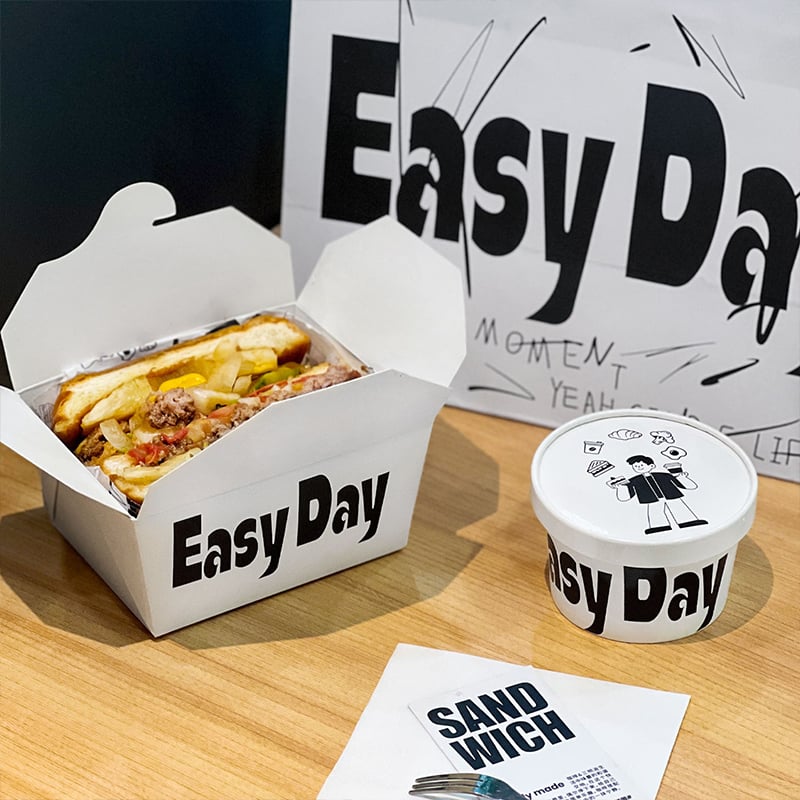
The food service industry generates millions of tons of waste annually, with single-use packaging representing a significant environmental burden. Sustainable takeaway packaging has become more than a marketing buzzword—it's a fundamental business necessity. Companies that prioritize sustainable takeaway packaging today are not only reducing their ecological footprint but also responding to shifting consumer expectations and regulatory pressures. The transition to sustainable takeaway packaging reflects a deeper shift in how modern businesses approach responsibility, profitability, and long-term viability in an increasingly conscious marketplace.
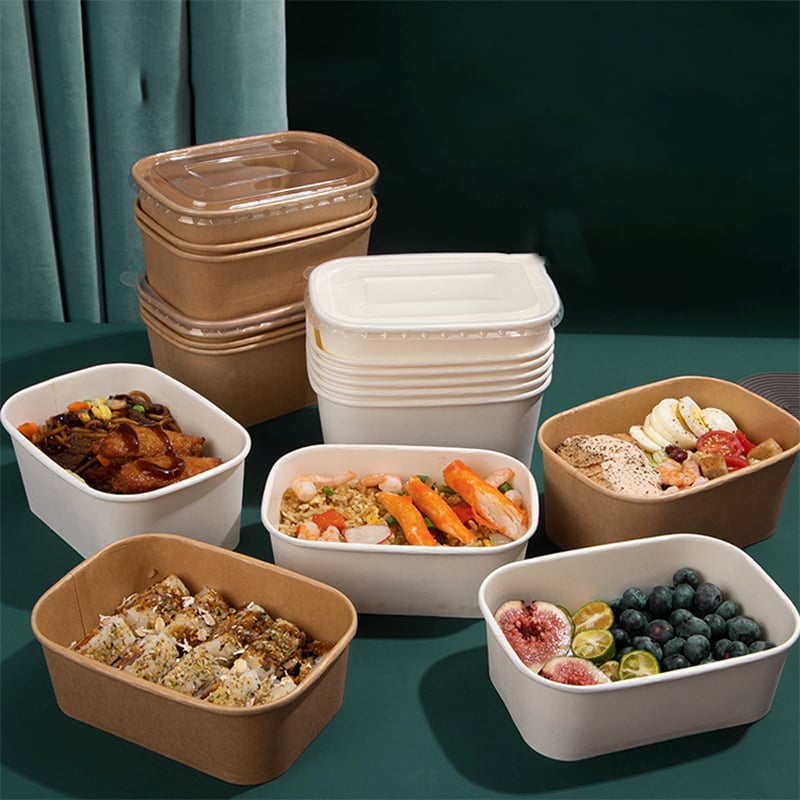
Modern consumers increasingly demand that businesses align with their environmental values. Choosing sustainable takeaway packaging demonstrates commitment to sustainability while building brand loyalty. Restaurants, cafes, catering companies, and food retailers that implement sustainable takeaway packaging solutions gain competitive advantage, attract environmentally conscious customers, and often discover unexpected operational efficiencies. This article explores why sustainable takeaway packaging is essential for contemporary business success.
Environmental Impact and Business Responsibility
Reducing Waste and Carbon Footprint
Conventional plastic and foam takeaway packaging persists in landfills for centuries, contaminating soil and water systems. Sustainable takeaway packaging alternatives—including compostable, biodegradable, and recyclable materials—decompose naturally or integrate into established recycling streams. By switching to sustainable takeaway packaging, food businesses reduce their contribution to global waste accumulation. Additionally, sustainable takeaway packaging often requires fewer resources to manufacture compared to traditional plastics, lowering transportation emissions and production energy demands. This environmental responsibility directly influences corporate carbon footprint calculations, making sustainable takeaway packaging a measurable component of sustainability reporting.
Meeting Regulatory Requirements
Governments worldwide are implementing stricter regulations on single-use plastics and non-recyclable packaging. Many jurisdictions now mandate sustainable takeaway packaging standards or impose penalties on non-compliant businesses. By proactively adopting sustainable takeaway packaging, companies stay ahead of legislative changes, avoiding costly fines and operational disruptions. The transition to sustainable takeaway packaging also positions businesses favorably for future regulations. Companies already using sustainable takeaway packaging solutions face minimal compliance costs, while competitors still relying on conventional packaging face sudden operational and financial challenges when regulations tighten.
Consumer Expectations and Brand Loyalty
Building Trust Through Sustainability Commitment
Contemporary consumers, particularly younger demographics, actively support businesses demonstrating environmental commitment. Sustainable takeaway packaging serves as a visible, tangible symbol of a company's values. When customers receive their orders in sustainable takeaway packaging, they experience the brand's promise directly. This positive touchpoint strengthens customer perception and encourages repeat business. Studies consistently show that consumers willingly pay premium prices for products delivered in sustainable takeaway packaging, recognizing the inherent value of environmental stewardship. For food businesses, implementing sustainable takeaway packaging transforms a functional necessity into a brand differentiation opportunity.
Creating Social Media and Word-of-Mouth Advantage
Sustainable takeaway packaging generates authentic marketing opportunities. Customers frequently photograph and share their meals on social media platforms, and attractive, eco-conscious sustainable takeaway packaging enhances visual appeal and messaging. A beautifully designed sustainable takeaway packaging container encourages social sharing, amplifying brand visibility organically. Moreover, customers who appreciate sustainable takeaway packaging initiatives become brand advocates, recommending businesses to friends and family based on shared environmental values. This word-of-mouth marketing proves more cost-effective and credible than traditional advertising, making sustainable takeaway packaging a strategic marketing investment.
Operational and Financial Benefits
Long-Term Cost Advantages
While sustainable takeaway packaging may carry slightly higher initial per-unit costs, total cost analysis often reveals financial advantages. Sustainable takeaway packaging suppliers increasingly benefit from economies of scale, reducing price differentials. Additionally, businesses using sustainable takeaway packaging often experience reduced waste management fees, as compostable and recyclable materials integrate into lower-cost disposal streams. Some municipalities offer tax incentives or rebates for businesses adopting sustainable takeaway packaging solutions. Over five to ten years, companies that invest in sustainable takeaway packaging realize cumulative savings through lower disposal costs, avoided regulatory penalties, and enhanced customer retention.
Operational Efficiency and Supply Chain Resilience
Sustainable takeaway packaging solutions often simplify supply chain management. Biodegradable and compostable sustainable takeaway packaging typically requires no special storage conditions, reducing facility complexity. Lightweight sustainable takeaway packaging materials decrease transportation costs and fuel consumption. Many sustainable takeaway packaging options offer comparable or superior performance characteristics to conventional packaging, maintaining food quality and presentation without functional compromise. Additionally, suppliers of sustainable takeaway packaging are increasingly reliable and diverse, reducing dependency on single sourcing and improving supply chain resilience in volatile markets.
Implementation Considerations and Industry Context
Choosing the Right Sustainable Takeaway Packaging Solution
Different food businesses have varying sustainable takeaway packaging requirements based on cuisine type, delivery distance, and temperature considerations. Hot foods demand different sustainable takeaway packaging materials than cold items, and Asian cuisine may require distinct container shapes compared to Western meals. Effective sustainable takeaway packaging implementation requires matching specific material properties to operational needs. Businesses should evaluate sustainable takeaway packaging options based on food safety, durability, moisture resistance, and temperature retention. Testing multiple sustainable takeaway packaging suppliers before full-scale implementation ensures quality consistency and prevents service disruptions.
Customer Communication and Transition Strategy
Successfully implementing sustainable takeaway packaging requires thoughtful customer communication. Transparent messaging about the shift to sustainable takeaway packaging builds understanding and appreciation. Many customers welcome sustainable takeaway packaging changes when they understand environmental benefits. Educating customers about proper disposal of sustainable takeaway packaging—whether recycling, composting, or reusing—maximizes environmental impact. Gradual transition to sustainable takeaway packaging reduces operational friction and allows staff training time. Packaging design should clearly indicate sustainable takeaway packaging properties and disposal instructions, ensuring customers understand how to properly handle the materials.
FAQ
Is sustainable takeaway packaging cost-prohibitive for small food businesses?
No. While sustainable takeaway packaging may have slightly higher per-unit costs initially, small businesses benefit from reduced waste fees, potential tax incentives, and improved customer retention. Many suppliers now offer competitive pricing for sustainable takeaway packaging in bulk quantities. For small operations, starting with high-volume items and gradually expanding sustainable takeaway packaging use spreads costs over time while building supplier relationships that may yield volume discounts.
Does sustainable takeaway packaging compromise food quality or safety?
Modern sustainable takeaway packaging meets rigorous food safety standards equivalent to conventional packaging. Quality sustainable takeaway packaging materials provide excellent moisture barriers, temperature resistance, and structural integrity. Biodegradable and compostable sustainable takeaway packaging options are specifically engineered for food contact, ensuring no harmful chemical leaching. Many restaurants and professional catering operations successfully use sustainable takeaway packaging without experiencing quality or safety issues, demonstrating that performance and sustainability are fully compatible.
What sustainable takeaway packaging options work best for different food types?
Kraft paper and pulp-based sustainable takeaway packaging excel for dry foods, baked goods, and takeout boxes. Compostable PLA-based sustainable takeaway packaging suits cold items and desserts. Bagasse sustainable takeaway packaging (made from sugarcane fiber) provides excellent heat resistance for hot foods. Selecting appropriate sustainable takeaway packaging depends on specific food type, temperature requirements, and storage duration. Consulting with sustainable takeaway packaging suppliers ensures matching materials to application requirements for optimal performance.