
 EN
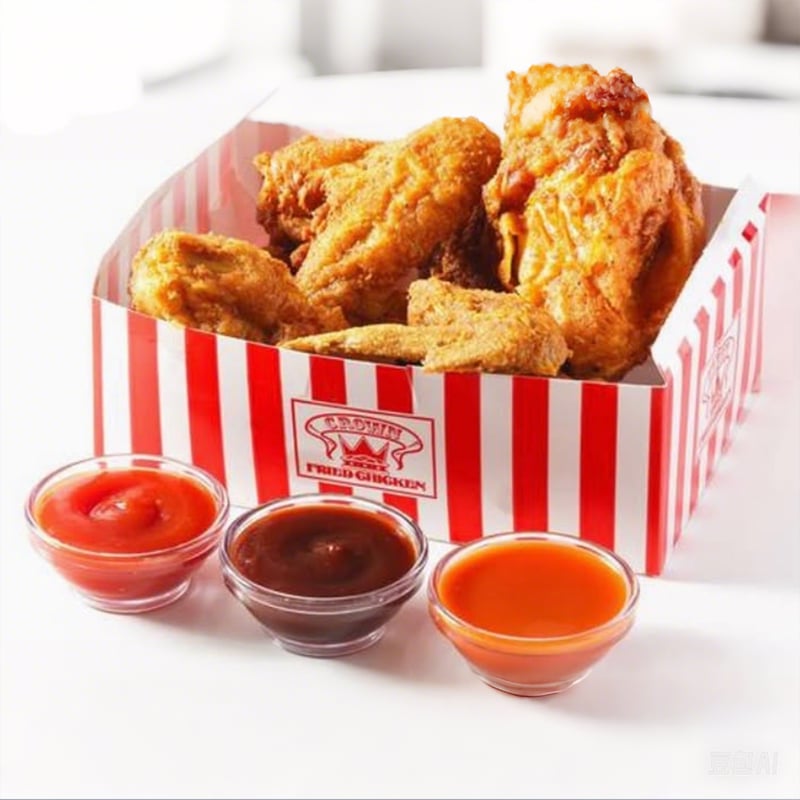
Grease leakage represents one of the most persistent challenges in the fast-food delivery industry, and choosing the right fried chicken box directly impacts customer satisfaction and brand reputation. When customers receive orders with grease stains on packaging, boxes, or delivery bags, the entire dining experience suffers before consumption even begins. The fried chicken box must balance multiple demanding requirements: it needs to contain hot, oily food safely, maintain structural integrity during transport, and arrive at the customer's door looking professional and clean. Understanding how a modern fried chicken box prevents grease leakage requires knowledge of material science, engineering design, and practical operational factors that separate premium packaging from basic alternatives.

The most effective fried chicken box solutions use multiple integrated layers and technologies working together to keep grease contained throughout the entire delivery process. From polyethylene coating applications to ventilation design considerations, each element serves a specific purpose in the grease containment strategy. This comprehensive guide explores the engineering principles, material specifications, and design innovations that make a fried chicken box truly leak-proof, helping you understand why certain packaging choices deliver superior results compared to standard options.
Material Composition and Coating Technology
Polyethylene Coating Systems
The foundation of grease prevention in a quality fried chicken box lies in its coating system. Polyethylene (PE) coating creates a moisture and grease barrier that prevents oils from penetrating the paperboard substrate. When a fried chicken box features PE coating on both interior and exterior surfaces, it dramatically reduces the likelihood of grease migration through the material. The coating thickness matters significantly; thicker applications provide superior protection, though they must be balanced against material cost and environmental considerations. A properly formulated fried chicken box with PE coating will resist saturation even when exposed to hot, oily foods for extended periods.
Kraft Paper Base Selection
The underlying paperboard quality of a fried chicken box affects how well the protective coating adheres and performs. Premium kraft paper provides better structural support and resists puncturing or tearing that could compromise the coating integrity. When the base material of your fried chicken box has sufficient rigidity and uniform density, the PE coating bonds more effectively and maintains its protective barrier throughout the delivery journey. Inferior paperboard choices can develop micro-fractures that allow grease to seep through, undermining the coating's protective benefits. The fried chicken box manufacturer's choice of kraft paper grade directly influences real-world leak prevention performance.
Structural Design and Sealing Mechanisms
Lid and Flap Engineering
How the lid closes on a fried chicken box determines whether grease can escape through seams and gaps. Premium fried chicken box designs feature overlapping flaps that create multiple barriers to grease egress. The flap geometry must be precisely engineered so that closing pressure creates a tight seal without requiring excessive force that could damage the box. Many modern fried chicken box designs include integrated fold patterns that naturally guide the lids into secure positions, minimizing gaps where grease vapor or liquid could escape. The lid seal quality of a fried chicken box often determines whether moisture and grease remain contained or gradually migrate outward during transport.
Bottom and Seam Construction
The bottom of a fried chicken box experiences the greatest grease accumulation, making its construction critically important for leak prevention. A well-designed fried chicken box features a reinforced bottom with sealed or folded seams that prevent grease from dripping through joints. Box gluing techniques vary; hot-melt adhesive application combined with mechanical locking tabs creates superior strength compared to simple taping or basic gluing. When a fried chicken box includes a compartmentalized or recessed bottom design, it creates additional grease capture capacity before any potential leakage becomes visible. The construction quality of the fried chicken box bottom directly corresponds to customer satisfaction scores and return complaints.
Ventilation Design and Moisture Management
Strategic Air Circulation Patterns
Counterintuitively, a properly designed fried chicken box includes carefully positioned ventilation features that actually improve grease containment. When hot fried chicken remains sealed in an airtight fried chicken box, steam accumulates and condensation forms on interior surfaces, causing grease to become more liquid and prone to leaking. A fried chicken box with strategically placed air holes or vents allows moisture to escape gradually while maintaining structural integrity and keeping moisture away from seams and edges. The ventilation pattern of a fried chicken box must balance humidity reduction with grease vapor control; too much ventilation allows grease aerosols to escape, while insufficient ventilation traps moisture that undermines leak prevention. Professional fried chicken box manufacturers use computational fluid dynamics to optimize vent placement and sizing.
Grease Absorption and Containment Features
Some advanced fried chicken box designs incorporate absorbent materials or textured interior surfaces that capture excess grease and prevent it from pooling and leaking. A fried chicken box with micro-textured PE coating can absorb small amounts of grease without allowing it to penetrate through the material or escape through seams. These absorption features transform a passive fried chicken box into an active grease management system. When consumers open a fried chicken box, they notice whether grease has accumulated visibly or remained dispersed through absorption technology. The interior surface treatment of a fried chicken box significantly impacts perceived quality and actual leak prevention performance.
Practical Implementation and Quality Standards
Testing and Certification Requirements
Premium fried chicken box manufacturers conduct rigorous testing to verify leak prevention performance before products reach customers. A fried chicken box typically undergoes grease saturation tests, temperature cycling tests, and transport simulation testing to ensure reliable performance. Third-party certifications and food safety compliance requirements help identify which fried chicken box options meet industry standards for grease containment. When selecting a fried chicken box, reviewing test data and certifications provides confidence that the packaging will perform as intended in real-world delivery scenarios. Documentation of fried chicken box testing standards helps restaurants make informed purchasing decisions based on measurable performance metrics rather than marketing claims alone.
Best Practices for Maximum Protection
Using a fried chicken box correctly maximizes its grease prevention capabilities. Proper loading techniques ensure that food sits evenly within the fried chicken box and doesn't rest directly against sides or lids where grease might accumulate. Placing absorbent liners inside the fried chicken box provides additional grease containment without compromising the packaging's primary protection systems. Ensuring the fried chicken box lid closes completely and securely prevents unnecessary grease vapor escape during delivery. Temperature management matters too; fried chicken box performance optimizes when contents cool slightly during transit, reducing the fluidity of grease and the likelihood of leakage. Proper storage of empty fried chicken box inventory in climate-controlled environments maintains material integrity until use.
FAQ
What coating prevents grease from penetrating a fried chicken box?
Polyethylene (PE) coating is the primary barrier that prevents grease from penetrating through a fried chicken box into the paperboard substrate. PE coating creates a moisture-resistant and grease-resistant layer that deflects oils and keeps them contained within the interior compartment. The effectiveness of this coating depends on its thickness, application uniformity, and whether it covers both interior and exterior surfaces of the fried chicken box. Higher quality PE coating applications provide superior long-term grease prevention compared to basic or thin-film alternatives.
How does ventilation in a fried chicken box reduce grease leakage?
Ventilation in a fried chicken box allows steam and moisture to escape gradually, preventing condensation buildup that would make grease more fluid and prone to leaking. Strategic air holes in the fried chicken box design enable humidity control without compromising structural integrity or allowing excessive grease vapor escape. By maintaining optimal internal moisture levels, a well-ventilated fried chicken box naturally reduces the likelihood of grease pooling and leaking through seams or weak points. Properly positioned vents in a fried chicken box improve both leak prevention and food quality by managing the internal environment.
What makes the bottom and seams of a fried chicken box resistant to grease leakage?
The bottom and seams of a fried chicken box are reinforced through multiple techniques including sealed fold patterns, reinforced gluing, and structural design that prevents grease accumulation at weak points. Quality fried chicken box construction uses hot-melt adhesive and mechanical locking features to create permanent, grease-resistant seals at critical joints. The bottom of a fried chicken box may include recessed or compartmentalized design that captures grease and prevents it from pooling at leak-prone seams. Premium fried chicken box manufacturers engineer these areas specifically to withstand prolonged exposure to hot, oily foods without compromising the packaging's containment integrity.