
 EN
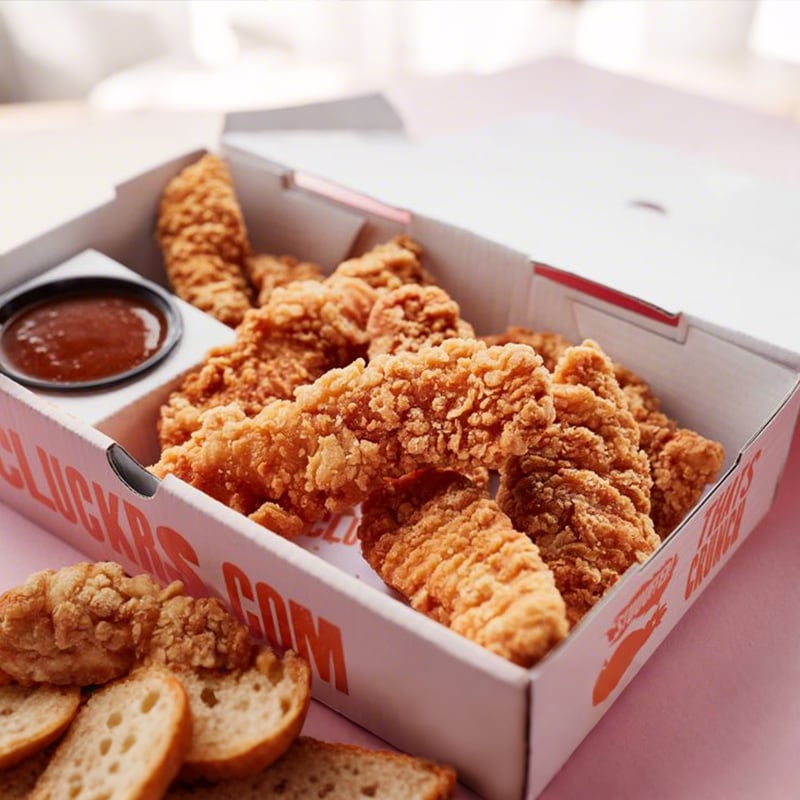
The structural integrity of a fried chicken box represents far more than a simple container choice. When designing a fried chicken box, material strength becomes the foundation upon which customer satisfaction, product protection, and brand reputation rest. Weak or poorly selected materials lead to collapsed containers, compromised food quality, and damaged customer experience before the product even reaches the dining table.
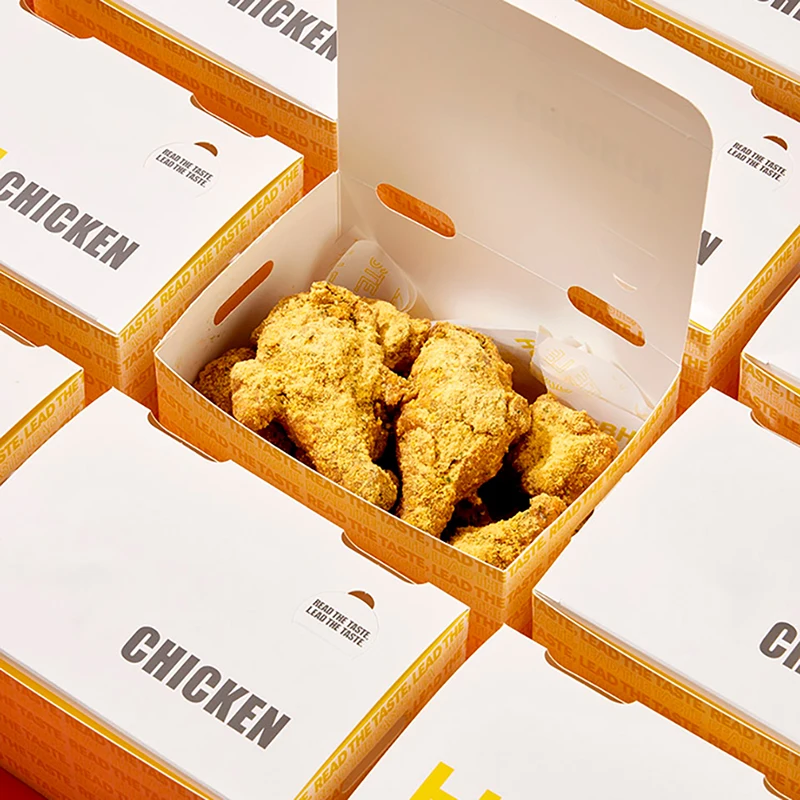
Understanding why material strength matters in fried chicken box construction helps businesses make informed packaging decisions that balance protection, sustainability, and cost efficiency. This article explores the critical role of material strength in fried chicken box design, examining how durability directly impacts food safety, operational efficiency, and customer loyalty across the fast-food and restaurant industries.
Why Material Strength Is Essential for Food Protection
Preventing Container Failure During Transport
A fried chicken box endures multiple handling cycles from the restaurant kitchen to the customer's vehicle, and finally to their home or dining location. Weak materials cannot withstand the weight distribution of fried chicken, cooking oils, and accompanying sides. When the fried chicken box lacks adequate structural integrity, bottom panels sag, corners collapse, and contents spill onto the customer's clothing or vehicle interior. This creates immediate dissatisfaction and potential liability issues for the restaurant or delivery service responsible for the fried chicken box quality.
Maintaining Food Temperature and Freshness
Material strength directly influences how effectively a fried chicken box insulates and protects its contents. Thicker, more durable cardboard and composite materials provide superior insulation properties compared to thin, flimsy alternatives. When a fried chicken box uses inadequate material, it fails to maintain internal temperature consistency, allowing heat loss that compromises the fried chicken's crispness and appeal. Stronger materials also resist punctures and tears that would otherwise expose food to external contamination and accelerated cooling.
Structural Requirements for Optimal Fried Chicken Box Performance
Burst Strength and Compression Resistance
The burst strength of materials used in a fried chicken box determines how effectively the box resists internal pressure from food weight and stacking forces. Industrial testing measures burst strength in pounds per square inch, and premium fried chicken box designs typically require minimum specifications between eighteen and twenty-five pounds per square inch. Compression resistance ensures that when multiple fried chicken box units stack during storage or delivery, lower boxes maintain their shape without deforming. This prevents cascading failures where bottom fried chicken box units crush under cumulative weight, damaging all overlying containers.
Oil and Moisture Resistance Characteristics
Fried chicken naturally releases oils and moisture during storage within the fried chicken box. Standard cardboard absorbs these liquids, weakening fiber bonds and compromising structural performance. High-quality fried chicken box materials include protective coatings or polyethylene liners that repel moisture and resist oil penetration. When a fried chicken box lacks these protective features, the material deteriorates rapidly, becoming soggy, weak, and unable to maintain shape or provide hygiene protection. Material strength in this context extends beyond initial durability to encompass long-term performance under the specific environmental stresses of fried food packaging.
Business Impact of Material Strength in Fried Chicken Box Selection
Customer Satisfaction and Brand Perception
When customers receive a damaged fried chicken box with broken corners, saturated bottoms, or collapsed sides, their perception of the entire dining establishment suffers immediately. A fried chicken box represents the final touchpoint in the customer journey, and its condition influences repeat purchase decisions more powerfully than many restaurant operators realize. Strong, durable materials signal quality and professionalism, while weak packaging conveys cost-cutting and negligence. Restaurants that invest in fried chicken box materials with superior strength consistently achieve higher customer satisfaction ratings and increased loyalty.
Operational Efficiency and Waste Reduction
The cost of a fried chicken box with superior material strength is typically offset by reduced waste and replacement costs. When a fried chicken box fails during delivery or storage, restaurants absorb both the cost of replacement inventory and the expense of replacing the lost food product. High-strength materials reduce breakage rates, minimize customer complaints, and decrease the frequency of reorders needed to compensate for damaged units. Additionally, strong fried chicken box designs accommodate automated packing systems more reliably, improving kitchen efficiency and reducing manual handling damage.
Sustainability and Regulatory Compliance
Material strength correlates directly with environmental responsibility in fried chicken box production. When packaging fails prematurely, restaurants must discard more boxes, generating unnecessary waste and increasing their environmental footprint. Durable fried chicken box materials made from sustainably sourced cardboard and recyclable components provide longer service life while meeting modern sustainability standards. Furthermore, strong materials allow manufacturers to reduce thickness and weight without sacrificing protection, creating more efficient fried chicken box designs that use fewer raw materials overall while maintaining superior performance throughout the supply chain.
FAQ
What material strength specifications should a fried chicken box meet?
Premium fried chicken box products typically meet burst strength requirements of eighteen to twenty-five pounds per square inch and include protective oil and moisture barriers. The specific requirements depend on serving size, delivery distance, and climate conditions. Industry standards recommend testing fried chicken box materials for edge crush strength, puncture resistance, and compression performance under simulated stacking conditions. Working with packaging suppliers who conduct comprehensive material testing ensures your fried chicken box meets real-world performance demands.
How does material strength affect the cost of a fried chicken box?
Initial material costs for a high-strength fried chicken box are typically five to fifteen percent higher than basic alternatives, but total cost of ownership is significantly lower when accounting for reduced breakage, fewer replacements, and minimized customer complaints. The fried chicken box investment in superior materials generates returns through improved efficiency, reduced waste, and enhanced customer retention. Restaurants comparing packaging costs should evaluate long-term performance metrics rather than focusing solely on per-unit acquisition price.
Can fried chicken box material strength be tested before ordering in bulk?
Yes, reputable packaging manufacturers provide sample fried chicken box units for testing and performance evaluation before bulk orders. Testing can include drop tests, stacking tests, oil and moisture exposure, and compression trials that simulate real-world conditions. Requesting prototypes allows your team to verify that the fried chicken box meets your specific operational requirements and customer expectations. This quality assurance step prevents costly mistakes and ensures your investment in premium materials delivers promised performance.