
 EN
EN
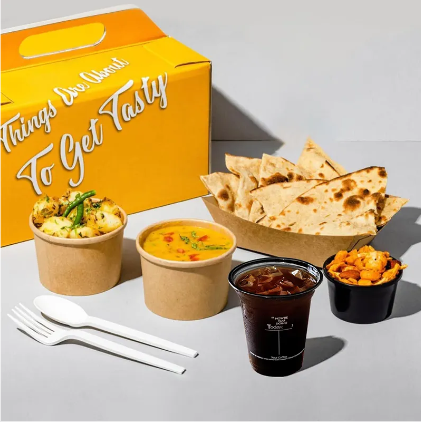
The connection between food packaging and brand perception runs deeper than most businesses realize. Every interaction a customer has with your product begins with the packaging - from the moment they spot it on a shelf to the unboxing experience at home. This first touchpoint creates lasting impressions that directly influence purchase decisions, brand loyalty, and overall customer satisfaction.
Understanding how food packaging shapes both brand image and customer experience is crucial for businesses seeking to differentiate themselves in competitive markets. The packaging serves as a silent salesperson, communicating brand values, product quality, and company standards without saying a word. This comprehensive examination reveals the complex ways packaging influences consumer behavior and drives business success.
The Visual Psychology of Food Packaging Design
Color Psychology and Brand Recognition
The colors chosen for food packaging create immediate psychological responses that shape customer perceptions before they even read the product name. Research demonstrates that customers form opinions about products within 90 seconds of initial viewing, with color influencing up to 90% of that snap judgment. Red packaging often signals boldness and excitement, making it popular for spicy foods and energy-boosting snacks.
Green food packaging typically conveys health consciousness, natural ingredients, and environmental responsibility. This color choice has become increasingly important as consumers gravitate toward sustainable and organic food options. Blue, while less common in food packaging, suggests trust and reliability when used strategically for premium or specialty products.
The consistency of color choices across product lines strengthens brand recognition and creates visual cohesion that customers begin to associate with specific quality levels and brand promises. This visual consistency in food packaging helps establish brand identity in crowded retail environments where customers make split-second decisions.
Typography and Information Hierarchy
The typography selected for food packaging directly impacts how customers perceive brand sophistication and product quality. Clean, modern fonts suggest innovation and quality, while script or handwritten fonts often communicate artisanal craftsmanship or traditional values. The readability of essential information like ingredients, nutritional facts, and preparation instructions affects the overall customer experience.
Strategic information hierarchy guides customer attention to the most important selling points, whether that's organic certification, nutritional benefits, or preparation convenience. Poor typography choices can make food packaging appear unprofessional or difficult to navigate, directly undermining brand credibility.
The size and placement of text elements must balance regulatory requirements with marketing objectives, ensuring that mandatory information doesn't overwhelm the brand message while remaining clearly visible and accessible to customers with varying visual capabilities.
Shape and Structural Innovation
The physical shape and structural design of food packaging create memorable brand experiences that extend far beyond visual appeal. Unique packaging shapes help products stand out on shelves while communicating brand innovation and attention to customer convenience. Easy-open features, resealable options, and portion control designs all contribute to positive customer experiences.
Structural innovations in food packaging often become signature brand elements that customers specifically seek out. These design choices demonstrate the brand's commitment to solving real customer problems, whether that's maintaining product freshness, enabling on-the-go consumption, or simplifying storage and preparation.
The tactile experience of handling well-designed food packaging creates positive associations with the brand that influence repeat purchase behavior. Customers often equate packaging quality with product quality, making structural design decisions critical for brand perception.
Material Choices and Brand Value Communication
Sustainability Messaging Through Material Selection
The materials used in food packaging send powerful messages about brand values and company priorities. Sustainable packaging materials like recyclable cardboard, biodegradable films, and compostable containers communicate environmental responsibility that resonates with increasingly eco-conscious consumers. These choices often justify premium pricing while attracting customers who prioritize environmental considerations.
Traditional plastic food packaging, while practical and cost-effective, can now create negative brand associations in markets where sustainability is a primary concern. Forward-thinking brands are investing in alternative materials that maintain product protection while aligning with customer values and environmental regulations.

The transparency of material sourcing and manufacturing processes becomes part of the brand story, with food packaging serving as a vehicle for communicating these commitments. Clear labeling of material types and disposal instructions demonstrates brand responsibility and helps customers make informed choices.
Premium Material Perception
The perceived quality of food packaging materials directly influences customer expectations about the product inside. Heavy-weight papers, metallic finishes, and sophisticated closure systems all signal premium positioning that can support higher price points. Customers often use packaging quality as a proxy for product quality when making purchasing decisions.
Luxury food brands invest heavily in packaging materials that create unboxing experiences worthy of social media sharing. This investment in premium materials pays dividends through word-of-mouth marketing and brand elevation in competitive categories where differentiation is challenging.
The durability and functionality of food packaging materials affect the entire customer journey from purchase through consumption. Materials that maintain product integrity while providing convenient handling contribute to positive brand experiences that encourage customer loyalty.
Protection and Freshness Assurance
The protective qualities of food packaging materials directly impact customer satisfaction and brand reputation. Barrier properties that maintain product freshness, prevent contamination, and extend shelf life demonstrate the brand's commitment to delivering quality products. Customers quickly associate packaging failures with brand failures, making material performance critical for reputation management.
Advanced food packaging materials that incorporate freshness indicators, temperature monitoring, or oxygen barriers communicate technological sophistication and quality assurance. These features often become key selling points that differentiate products in competitive markets.
The balance between protection and convenience requires careful material selection that serves both functional and experiential needs. Food packaging that successfully delivers both creates positive brand associations that influence long-term customer relationships.
Customer Experience Throughout the Purchase Journey
Shelf Impact and Purchase Decision
The retail environment presents unique challenges where food packaging must capture attention and communicate value within seconds. Effective packaging design creates shelf impact that draws customer attention while clearly differentiating the product from competitors. This visual competition requires strategic use of colors, imagery, and messaging that align with target customer preferences.
The information architecture of food packaging must support quick decision-making by highlighting key benefits, ingredients, and usage instructions that matter most to target customers. Clear price communication, portion size indication, and preparation requirements all influence purchase decisions at the point of sale.
Seasonal or promotional food packaging variations can create urgency and encourage trial purchases while maintaining core brand recognition elements. These tactical approaches must balance novelty with brand consistency to avoid confusing established customers.
Transport and Storage Experience
The customer experience with food packaging extends well beyond the initial purchase through transport, storage, and preparation phases. Packaging that maintains integrity during transport prevents customer frustration and protects brand reputation. Poorly designed packaging that leaks, tears, or damages easily creates negative associations that affect future purchase decisions.
Storage convenience becomes increasingly important as customers seek products that fit efficiently in refrigerators, pantries, and workplace environments. Food packaging that stacks well, indicates storage requirements clearly, and maintains freshness throughout the storage period contributes to positive customer experiences.
The ease of opening and accessing products significantly impacts customer satisfaction, particularly for frequently consumed items or products targeted at specific demographic groups. Packaging that requires excessive force, special tools, or complex procedures can create barriers that discourage repeat purchases.
Consumption and Disposal Experience
The final phases of customer interaction with food packaging often determine long-term brand loyalty and word-of-mouth recommendations. Packaging that facilitates easy consumption, proper portion control, and convenient cleanup creates positive lasting impressions. These functional considerations become particularly important for products consumed regularly or in social settings.
Clear disposal instructions and environmentally responsible end-of-life options demonstrate brand consideration for customer convenience and environmental impact. Customers increasingly evaluate brands based on the complete lifecycle of food packaging, including disposal ease and environmental consequences.
The resealability and reusability of food packaging can extend brand interaction time and create additional value for customers. These features often become reasons for brand preference when competing products offer similar core benefits but different packaging experiences.
Digital Age Implications for Packaging Strategy
Social Media and Unboxing Culture
The rise of social media has transformed food packaging from a purely functional element into a potential marketing vehicle that extends brand reach through customer-generated content. Aesthetically pleasing packaging encourages customers to share their experiences online, creating organic brand promotion that reaches new audiences. This phenomenon has elevated packaging design importance for brands targeting digitally engaged demographics.
Unboxing videos and social media posts featuring food packaging create opportunities for viral marketing that traditional advertising cannot replicate. Brands increasingly design packaging specifically to photograph well under various lighting conditions and from multiple angles, considering how products will appear in customer-generated content.
The shareable quality of food packaging design influences purchasing decisions among customers who view products as extensions of their personal brand and social media presence. This trend requires packaging strategies that balance functional requirements with aesthetic appeal and social media optimization.
E-commerce Packaging Requirements
The growth of online food purchasing has created new requirements for food packaging that must survive shipping while maintaining visual appeal upon delivery. E-commerce packaging strategies must address protection, cost efficiency, and customer experience in ways that differ significantly from traditional retail considerations.
Secondary packaging for shipping often becomes part of the brand experience, creating opportunities to reinforce brand messaging and create memorable unboxing experiences. This additional touchpoint requires coordination between primary product packaging and shipping materials to create cohesive brand experiences.
The cost implications of e-commerce-optimized food packaging must balance protection requirements with shipping efficiency and environmental considerations. Successful strategies often involve redesigning primary packaging to eliminate or minimize secondary packaging needs while maintaining product integrity.
Smart Packaging Integration
Emerging technologies in food packaging create opportunities for enhanced customer experiences through QR codes, NFC chips, and other interactive elements that bridge physical and digital brand interactions. These technologies enable brands to provide additional product information, cooking instructions, nutritional tracking, and customer support resources.
Smart packaging features can facilitate customer loyalty programs, feedback collection, and personalized marketing communications that extend the brand relationship beyond the initial purchase. These capabilities require careful implementation to add genuine value rather than appearing gimmicky or intrusive.
The integration of smart features in food packaging must consider customer demographics, technology adoption rates, and privacy concerns while providing clear benefits that justify any additional complexity or cost. Successful implementations often focus on solving specific customer problems rather than showcasing technology for its own sake.
FAQ
How quickly do customers form opinions about food brands based on packaging?
Research indicates that customers form initial impressions about food products within 90 seconds of first viewing the packaging, with visual elements influencing up to 90% of that immediate judgment. This rapid assessment affects purchase decisions, perceived quality, and brand trust before customers even examine detailed product information.
What packaging elements most strongly influence customer experience?
The most impactful elements include ease of opening and closing, product protection and freshness maintenance, clear information hierarchy for ingredients and instructions, visual appeal that aligns with brand positioning, and disposal convenience. These functional and aesthetic factors combine to create the overall customer experience with food packaging.
How important is sustainable packaging for brand image?
Sustainable food packaging has become increasingly critical for brand image, particularly among younger demographics and environmentally conscious consumers. Brands using eco-friendly materials often justify premium pricing and attract customers who prioritize environmental responsibility, while traditional packaging materials can create negative associations in sustainability-focused markets.
Can food packaging design justify premium pricing?
Premium food packaging design can successfully support higher price points by communicating quality, innovation, and brand values that resonate with target customers. The investment in superior materials, sophisticated design, and enhanced functionality often pays dividends through increased customer willingness to pay premium prices and stronger brand loyalty over time.