
 EN
EN
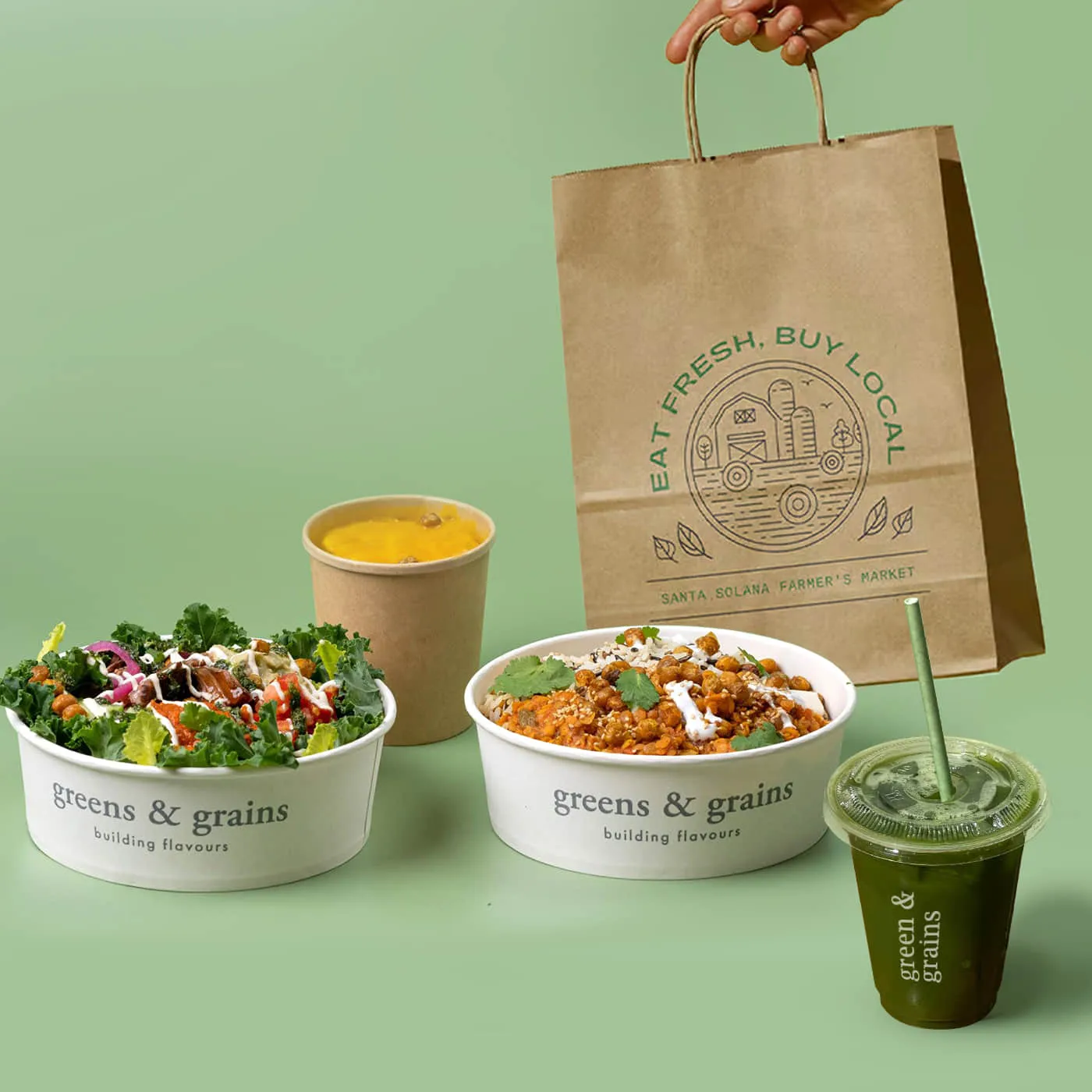
Modern food service operations face mounting pressure to deliver consistent quality while maintaining cost-effective and streamlined processes. The choice of serving containers plays a crucial role in operational efficiency, affecting everything from food preparation speed to cleanup time and waste management. Paper bowls have emerged as a strategic solution that addresses multiple operational challenges simultaneously, offering food service establishments a practical pathway to enhanced productivity and customer satisfaction.
Understanding how paper bowls contribute to operational efficiency requires examining their impact across the entire service workflow. From kitchen preparation to customer dining and post-meal cleanup, these disposable containers influence multiple touchpoints that directly affect labor costs, service speed, and overall operational effectiveness. The strategic implementation of paper bowls in food service environments demonstrates measurable improvements in throughput, staff productivity, and resource allocation that translate into tangible business benefits.
Streamlined Food Preparation and Service Workflow
Reduced Preparation Time and Setup Requirements
Paper bowls significantly accelerate food preparation workflows by eliminating the need for pre-service washing and sorting of serving containers. Kitchen staff can focus entirely on food preparation rather than spending valuable time cleaning and organizing dishware. This efficiency gain becomes particularly pronounced during peak service hours when every minute of preparation time directly impacts customer wait times and overall service capacity.
The lightweight nature of paper bowls facilitates faster handling and portioning processes. Staff can quickly grab appropriate containers without concerns about breakage or careful handling protocols required for ceramic or glass alternatives. This streamlined approach reduces the physical strain on kitchen workers and allows for more rapid assembly of orders, particularly beneficial for high-volume operations like cafeterias, food trucks, and quick-service restaurants.
Pre-portioned storage capabilities offered by paper bowls enable advanced preparation strategies that further enhance operational efficiency. Food service managers can prepare ingredients in paper bowls ahead of peak periods, creating organized systems that reduce order assembly time and minimize cross-contamination risks during busy service windows.
Simplified Inventory and Storage Management
Paper bowls offer superior storage density compared to traditional dishware, allowing food service operations to maintain larger container inventories in significantly less space. Stackable designs maximize vertical storage efficiency, while the lightweight construction reduces storage infrastructure requirements and handling equipment needs. This space optimization becomes particularly valuable in compact kitchen environments where every square foot impacts operational functionality.
Inventory management becomes more straightforward with paper bowls due to their uniform sizing and predictable usage patterns. Operations can implement precise inventory tracking systems that account for daily usage rates and seasonal variations without complex calculations for breakage replacement or maintenance requirements. This predictability supports more accurate cost forecasting and reduces inventory holding costs.
The extended shelf life of paper bowls eliminates concerns about deterioration during storage, unlike some reusable containers that may develop wear patterns or sanitation issues over time. This reliability ensures consistent availability of serving containers regardless of storage duration or environmental conditions.
Enhanced Hygiene Standards and Food Safety Protocols
Elimination of Cross-Contamination Risks
Paper bowls provide inherent protection against cross-contamination that can occur with reusable dishware inadequately sanitized between uses. Each paper bowl represents a fresh, uncontaminated serving surface that meets the highest hygiene standards without relying on washing protocols that may vary in effectiveness. This consistency becomes particularly important in healthcare facilities, schools, and other environments where food safety represents a critical concern.
The single-use nature of paper bowls eliminates the risk of residual cleaning agent contamination that can occur when dishware is not properly rinsed after washing. Food service operations avoid potential customer reactions to cleaning chemicals while ensuring that each serving container meets pristine condition standards. This reliability reduces liability concerns and supports consistent brand reputation for quality and safety.
Temperature-sensitive foods benefit from the fresh serving environment that paper bowls provide, as there is no risk of flavor transfer from previous uses or inadequate temperature control during storage. This protection preserves food integrity and ensures that customers experience optimal taste profiles without interference from container history.
Simplified Sanitization and Compliance Protocols
Food service operations using paper bowls can streamline their sanitization protocols by focusing cleaning efforts on food preparation surfaces and utensils rather than managing complex dishware washing cycles. This concentration of sanitation resources improves overall kitchen hygiene while reducing the time and labor required to maintain regulatory compliance standards.
Regulatory compliance becomes more straightforward with paper bowls because operations avoid the documentation and monitoring requirements associated with dishware sanitization temperatures, chemical concentrations, and cycle effectiveness. Health inspectors can easily verify that serving containers meet hygiene standards without examining complex washing protocols or equipment calibration records.
Staff training on hygiene protocols becomes simplified when paper bowls are implemented, as employees need to focus on proper food handling techniques rather than learning detailed dishware sanitization procedures. This streamlined training approach reduces onboarding time for new staff and minimizes the risk of protocol violations that could compromise food safety standards.
Labor Cost Optimization and Resource Allocation
Reduced Staffing Requirements for Cleanup Operations
The elimination of dishwashing operations through paper bowl implementation allows food service establishments to reallocate labor resources toward customer-facing activities and food preparation tasks. Staff previously dedicated to washing, drying, and organizing dishware can contribute to order fulfillment, customer service, or food quality enhancement initiatives that directly impact revenue generation.
Peak hour efficiency improves dramatically when cleanup operations are minimized through paper bowl usage. During busy periods, staff can focus entirely on serving customers rather than managing the continuous cycle of dirty dish collection, washing, and restocking that typically occurs with reusable containers. This focus shift results in faster service times and improved customer satisfaction scores.
Overtime costs often decrease when paper bowls eliminate time-intensive cleanup operations that extend beyond normal service hours. Staff can complete closing procedures more quickly, reducing labor costs while improving work-life balance for employees. This efficiency gain becomes particularly valuable for operations with multiple daily service periods or extended operating hours.
Equipment Investment and Maintenance Savings
Food service operations using paper bowls can avoid substantial capital investments in commercial dishwashing equipment, including high-capacity washers, sanitizing systems, and related infrastructure. This equipment avoidance frees up capital for other operational improvements like enhanced food preparation equipment or customer experience enhancements that directly contribute to business growth.
Ongoing maintenance costs associated with dishwashing equipment disappear when paper bowls replace reusable containers. Operations avoid regular service calls, replacement part costs, and the productivity losses that occur when dishwashing equipment malfunctions during peak service periods. This reliability improvement ensures consistent service capability regardless of equipment status.
Utility cost reductions become significant when paper bowls eliminate the hot water, electricity, and chemical requirements of commercial dishwashing operations. These ongoing operational savings contribute to improved profit margins while supporting environmental sustainability goals through reduced resource consumption per serving event.
Customer Experience Enhancement and Service Speed
Improved Service Delivery Times
Paper bowls enable faster order assembly and delivery because staff can pre-position serving containers without concerns about breakage or temperature sensitivity. This preparation capability allows operations to serve customers more quickly during peak periods, reducing wait times and improving overall customer satisfaction. The speed improvement becomes particularly noticeable in high-volume environments where every second of service time affects customer throughput.
Portable dining options expand significantly with paper bowls, as customers can safely transport their food without concerns about returning dishes or handling fragile containers. This portability supports takeout operations, outdoor dining scenarios, and mobile consumption patterns that align with contemporary customer preferences for dining flexibility.
Order accuracy improvements often result from the simplified serving process that paper bowls enable. Staff can quickly verify order contents without handling multiple dish components, reducing the likelihood of errors that require order corrections or customer dissatisfaction. This accuracy enhancement supports operational efficiency while protecting customer relationships.
Enhanced Dining Flexibility and Convenience
Paper bowls support diverse dining scenarios that reusable containers cannot accommodate effectively, including outdoor events, temporary service locations, and situations where dish return is impractical. This flexibility allows food service operations to expand their market reach and serve customers in previously challenging environments, creating new revenue opportunities.
Temperature retention capabilities of modern paper bowls ensure that hot foods maintain appropriate serving temperatures while protecting customers from burns that might occur with ceramic or metal containers. This safety enhancement improves the customer dining experience while reducing liability concerns for food service operators.
Portion control becomes more consistent with standardized paper bowl sizes, ensuring that customers receive appropriate serving quantities while supporting accurate cost control for food service operations. This consistency helps build customer trust and supports predictable financial performance across service periods.
FAQ
How do paper bowls compare to reusable containers in terms of operational efficiency?
Paper bowls eliminate the time, labor, and resources required for washing, sanitizing, and maintaining reusable containers. This results in faster service times, reduced staffing requirements, and lower operational costs. While reusable containers may seem cost-effective initially, the total operational cost including labor, utilities, and equipment maintenance often favors paper bowls in high-volume food service environments.
What are the environmental considerations when using paper bowls for food service operations?
Modern paper bowls are typically made from renewable resources and are often compostable or recyclable, depending on local waste management capabilities. When evaluating environmental impact, consider the water usage, energy consumption, and chemical requirements of washing reusable containers versus the lifecycle impact of paper bowl production and disposal. Many operations find that paper bowls offer environmental advantages when comprehensive sustainability factors are considered.
How do paper bowls support food safety compliance in commercial operations?
Paper bowls provide consistent hygiene standards by eliminating cross-contamination risks associated with reusable containers. Each bowl represents a fresh serving surface that meets regulatory requirements without relying on variable washing protocols. This consistency simplifies compliance documentation and reduces the risk of food safety violations that could impact business operations and reputation.
What cost factors should be considered when implementing paper bowls in food service operations?
Consider both direct costs of paper bowls and the indirect savings from eliminated dishwashing operations, including labor costs, utility expenses, equipment investments, and maintenance requirements. Factor in improved service speed capabilities that can increase customer throughput and revenue generation. Most high-volume operations find that total operational costs decrease when paper bowls replace reusable containers, despite the per-unit cost difference.
Table of Contents
- Streamlined Food Preparation and Service Workflow
- Enhanced Hygiene Standards and Food Safety Protocols
- Labor Cost Optimization and Resource Allocation
- Customer Experience Enhancement and Service Speed
-
FAQ
- How do paper bowls compare to reusable containers in terms of operational efficiency?
- What are the environmental considerations when using paper bowls for food service operations?
- How do paper bowls support food safety compliance in commercial operations?
- What cost factors should be considered when implementing paper bowls in food service operations?