
 EN
EN
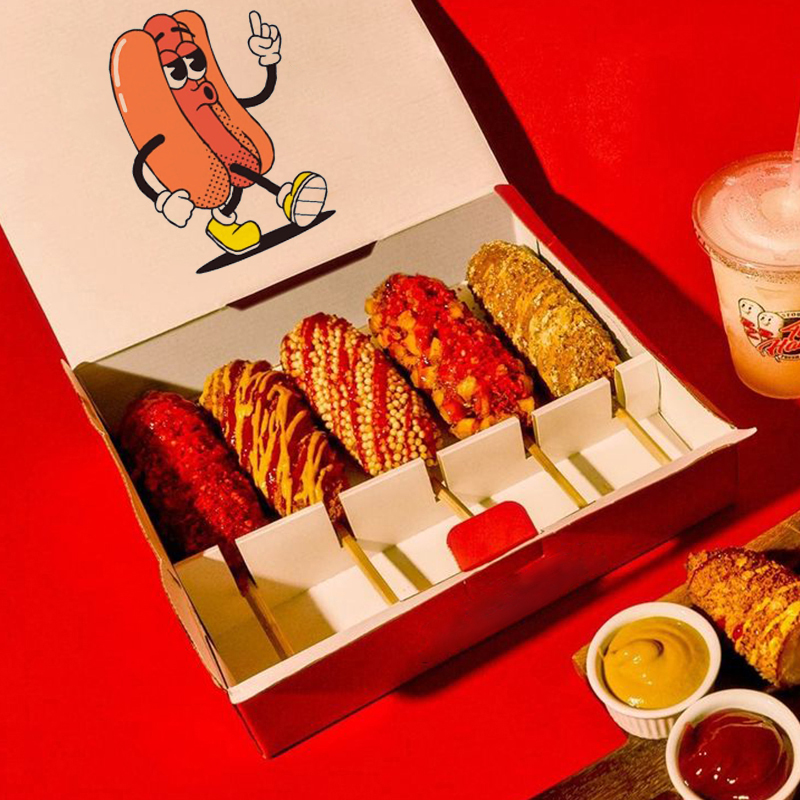
A well-designed hot dog box is far more than simple packaging. It serves as an essential thermal vessel that preserves food temperature, maintains structural integrity during transport, and protects product presentation from the moment of sale to customer consumption. Whether operating a food truck, casual dining establishment, or fast-casual restaurant, the quality of your hot dog box directly influences customer satisfaction, operational efficiency, and brand perception. Understanding what makes a hot dog box ideal requires examining thermal properties, material composition, structural design, and practical functionality in real-world service conditions.
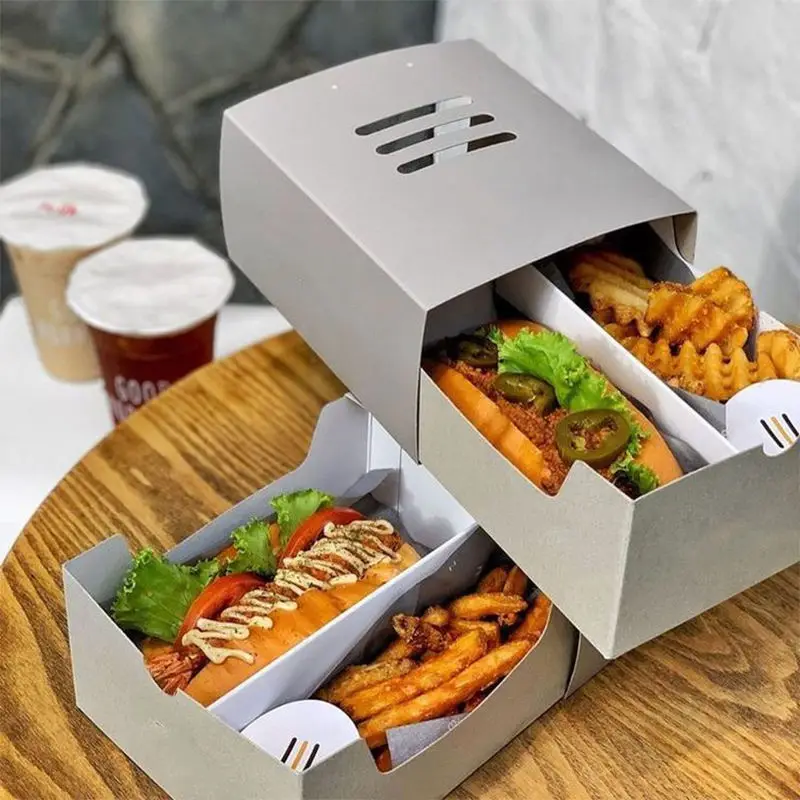
The ideal hot dog box must balance multiple competing demands: retaining heat efficiently without condensation buildup, supporting the weight and geometry of the product without crushing or tipping, remaining cost-effective at volume production scales, and offering visual appeal that reinforces brand identity. In competitive food service environments, a suboptimal hot dog box undermines operational success by allowing food to cool rapidly, creating soggy textures, damaging product presentation, or frustrating customers with poor unboxing experiences. This guide explores the specific features, materials, and design characteristics that distinguish a truly effective hot dog box from merely adequate packaging alternatives.
Thermal Retention and Temperature Management
Heat Retention Mechanisms in a Hot Dog Box
Superior thermal performance defines the modern hot dog box. Effective heat retention relies on multiple layered principles: air gap insulation, material density, moisture management, and lid design that minimizes convective heat loss. A quality hot dog box incorporates thicker cardboard walls, typically featuring multi-ply construction that traps dead air space between layers. This air acts as an insulator, significantly slowing heat transfer to the external environment. The most effective hot dog box designs use paperboard densities between 250–350 GSM (grams per square meter), providing rigidity without excessive weight that complicates handling or storage logistics.
The lid design of a hot dog box profoundly impacts thermal performance. A snug-fitting lid that closes fully without gaps prevents warm air from escaping through convection. Many commercial-grade hot dog box options feature recessed or interlocking lid mechanisms that create a seal when closed, dramatically improving heat retention compared to simple lift-off designs. Additionally, the hot dog box should minimize the number of ventilation holes or perforations that compromise insulation. While some airflow is necessary to prevent excessive steam accumulation, the ideal hot dog box balances this concern by incorporating narrow ventilation channels rather than large openings that allow rapid heat dissipation.
Moisture Control and Condensation Prevention
An often-overlooked aspect of the ideal hot dog box involves managing internal moisture. When a freshly cooked hot dog is placed in a sealed hot dog box, steam rises from the warm food. Without proper moisture management, this steam condenses on the box interior, creating soggy bread, sliding toppings, and compromised texture. The superior hot dog box incorporates subtle design features that address this challenge. Perforated upper walls or targeted ventilation zones allow excess steam to escape gradually while maintaining overall thermal integrity. Some premium hot dog box designs include angled interior surfaces that guide condensation downward rather than dripping directly onto the product.
The thickness and treatment of the cardboard material significantly influence moisture absorption in a hot dog box. Coated or waxed paperboard resists moisture penetration better than untreated kraft paper, maintaining structural integrity even as internal humidity rises. A well-engineered hot dog box may incorporate a thin plastic or wax lining on interior surfaces, providing moisture barrier protection without adding substantial bulk or cost. This treatment prevents the cardboard from becoming soft or losing rigidity during transport, which is critical for maintaining food presentation and protecting contents from external pressure or impact.
Structural Integrity and Protective Design
Material Quality and Durability Standards
The ideal hot dog box must withstand stacking, transport vibration, temperature variations, and rough handling without compromising product safety or presentation. Premium hot dog box materials typically use recycled or virgin kraft paperboard sourced from suppliers meeting food safety compliance standards. The material must balance rigidity with slight flexibility—a hot dog box that is too stiff may crack at fold lines during repeated opening and closing, while excessive flexibility allows the box to collapse under stacking pressure. Most commercial hot dog box suppliers specify material weights and bursting strength ratings measured in pounds per square inch (PSI), with superior boxes exceeding 100 PSI ratings.
The construction method of the hot dog box significantly affects durability. Die-cut designs that eliminate sharp fold lines, coupled with reinforced corners and edges, create a structurally superior hot dog box compared to simple glued constructions. Some manufacturers employ laminated constructions where multiple paper layers are bonded together, dramatically improving strength while maintaining a lightweight profile. The ideal hot dog box also features pre-scored fold lines that guide assembly without creating stress points prone to tearing or splitting. For high-volume operations, investing in premium hot dog box quality reduces waste from damaged products, minimizes customer complaints, and enhances perceived brand value.
Dimensional Design and Product Security
An effective hot dog box features carefully engineered internal dimensions that secure the product without excessive empty space. A hot dog box that is too large allows the product to shift during transport, resulting in toppings moving, bread becoming separated, or the item tipping sideways and creating an unappealing presentation. The ideal hot dog box provides snug product containment while allowing enough clearance for easy insertion and removal without forcing or damaging food. Most specialized hot dog box designs incorporate contoured interiors or integrated product wells that position the hot dog centrally within the box, maximizing structural support and preventing product movement during handling, transport, and stacking.
The lid configuration of a superior hot dog box prevents toppings from sticking to the interior surface. Some premium designs feature domed or vaulted lids that create additional vertical clearance, accommodating generous portions of toppings, condiments, or loaded variations without the contents compressing during transport. The hot dog box should also accommodate standard topping configurations—mustard, relish, onions, sauerkraut, or regional variations—without leakage or migration. Specialized hot dog box designs may incorporate integral compartments or separators for condiments, keeping sauces and toppings properly positioned and preventing soggy bread from sauce migration before the customer opens the box.
Practical Performance and Customer Experience Considerations
Transport and Handling Performance
In real-world operations, the ideal hot dog box must perform reliably through the entire customer journey. From the service window through vehicle transport to the customer's consumption, the hot dog box faces variable conditions including temperature changes, physical impacts, and moisture exposure. A superior hot dog box maintains structural integrity when stacked three to five high, resists compression damage from heavy items placed on top, and protects contents even when dropped from counter height. The material weight and construction quality directly correlate with this performance reliability, justifying premium pricing for restaurant operators committed to consistent quality delivery.
The practical usability of a hot dog box also influences customer satisfaction and operational efficiency. A box that is difficult to open, has confusing assembly instructions, or requires excessive force to close frustrates customers and slows service in busy environments. The ideal hot dog box features intuitive design that guides users toward correct assembly and operation without cognitive load. Boxes with reinforced handle-like lid mechanisms or ergonomic closure systems improve the unboxing experience, creating positive brand associations. For delivery and takeout contexts, the hot dog box should remain upright and stable without additional support, preventing tipping or contents shifting during vehicle transport or customer handling.
Branding Opportunities and Visual Impact
Beyond functional performance, an effective hot dog box serves as a mobile brand ambassador. The exterior surface offers prime real estate for logos, brand messaging, seasonal promotions, and custom graphics that reinforce business identity. The ideal hot dog box balances aesthetic customization options with practical functionality, featuring printed designs that remain visually attractive while withstanding moisture, heat, and handling. Premium hot dog box suppliers offer multiple printing techniques—flexographic, digital, or lithographic methods—each providing different color vibrancy, durability, and cost profiles suited to various production volumes and quality expectations.
The visual presentation of a hot dog box significantly influences perceived food quality and restaurant professionalism. A well-designed hot dog box with high-quality printing, consistent branding elements, and professional aesthetics elevates the entire purchase experience, even before the customer opens it. Conversely, a generic or poorly printed hot dog box suggests operational corners being cut, potentially undermining confidence in food quality regardless of actual product excellence. Forward-thinking food service businesses recognize that investing in premium hot dog box design and customization yields returns through enhanced brand perception, improved social media presence as customers photograph distinctive packaging, and increased likelihood of repeat purchases driven by positive unboxing experiences.
FAQ
What specific cardboard thickness is ideal for a hot dog box?
The ideal hot dog box typically uses cardboard in the 250–350 GSM range, providing optimal balance between thermal insulation, structural rigidity, and cost efficiency. Multi-ply construction with air gaps between layers offers superior insulation compared to single-layer thick paper. The specific thickness selection depends on your operational context—higher-volume fast-casual operations may prioritize cost efficiency with 250 GSM, while premium establishments may invest in 350 GSM hot dog box options for maximum thermal retention and perceived quality. Consulting with packaging suppliers about bursting strength ratings and insulation testing data helps determine the appropriate hot dog box specification for your specific application and climate.
How does a hot dog box prevent condensation from making bread soggy?
An effective hot dog box incorporates strategic ventilation channels, angled interior surfaces, and moisture-resistant coating treatments to manage steam condensation. Rather than creating large venting holes that compromise heat retention, the ideal hot dog box features small, precisely positioned perforations that allow excess moisture to escape gradually. Angled interior surfaces guide condensation downward and away from the product. Additionally, wax or plastic-coated interior surfaces resist moisture absorption, preventing the cardboard from becoming soft or soggy. Some premium hot dog box designs incorporate specialized moisture-absorbing materials or dual-chamber constructions that further reduce condensation contact with the product.
Can a standard hot dog box work for other food items like corndogs or sandwiches?
Many commercial hot dog box designs function effectively for similar products including corndogs, sausages, specialty sandwiches, and wrapped food items. However, the ideal hot dog box is specifically engineered for that application, with internal dimensions, structural support, and moisture management optimized for traditional hot dogs. Larger items like sandwiches may require oversized hot dog box variants, while products with different topping configurations or condiment profiles may need adjusted ventilation or moisture handling. Suppliers offer specialized variations—corndog boxes, burger boxes, sandwich boxes—that maintain core thermal and protective principles while adapting to specific product geometries and service requirements.