
 EN
EN
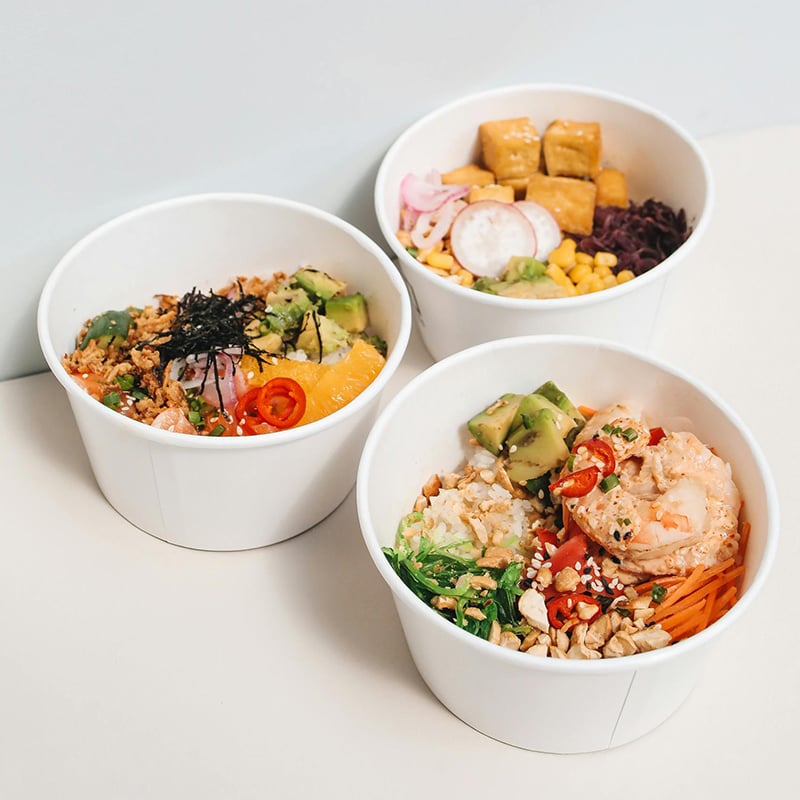
The food service industry is undergoing a quiet but significant transformation. Operators across restaurants, cafeterias, catering companies, and delivery platforms are rethinking the materials they use for single-use packaging, and the compostable paper soup bowl has emerged as one of the most discussed shifts in that conversation. What was once a niche product favored by eco-conscious independents is now appearing on procurement lists for large-scale food service operations, and the reasons behind that momentum are both practical and strategic.
Understanding why the compostable paper soup bowl is trending requires looking beyond surface-level environmental messaging. The drivers are rooted in regulatory pressure, shifting consumer expectations, operational compatibility, and a maturing supply chain that has made these products more accessible and cost-competitive than ever before. This article breaks down the key forces behind the trend and what they mean for food service businesses evaluating their packaging strategy.
Regulatory Pressure Is Reshaping Packaging Decisions
Single-Use Plastic Restrictions Are Accelerating Adoption
Across multiple regions, governments have introduced or are actively advancing legislation that restricts or bans single-use plastic foodservice packaging. These regulations directly affect soup containers, which have traditionally relied on polystyrene foam or plastic-lined paper constructions that are difficult to recycle. The compostable paper soup bowl offers a compliant alternative that allows operators to continue serving hot liquid foods without running afoul of evolving rules.
For food service operators managing multiple locations or operating in jurisdictions with different compliance timelines, switching to a compostable paper soup bowl early provides a degree of regulatory future-proofing. Rather than scrambling to reformulate packaging choices each time a new ordinance takes effect, businesses that have already transitioned can focus on operations rather than compliance firefighting.
The regulatory landscape is not uniform, but the direction is consistent. Whether driven by municipal bans, national frameworks, or extended producer responsibility schemes, the pressure on conventional plastic-heavy packaging is intensifying. The compostable paper soup bowl sits in a favorable position within that regulatory trajectory.
Procurement Standards in Institutional Food Service Are Tightening
Beyond government regulation, institutional buyers such as hospitals, universities, corporate campuses, and event venues are increasingly embedding sustainability criteria into their procurement standards. Suppliers who cannot demonstrate that their packaging meets certain environmental benchmarks may find themselves excluded from contract renewals or new bids. The compostable paper soup bowl, particularly when certified to recognized composting standards, helps food service operators meet these institutional requirements.
This procurement-driven demand is distinct from consumer-facing pressure. It operates through formal tender processes and supplier qualification frameworks, meaning the adoption of a compostable paper soup bowl can directly influence whether a food service company wins or retains significant contracts. The business case is therefore not purely ethical but commercially concrete.
Consumer Expectations Have Shifted Meaningfully
Environmental Awareness Is Now a Purchase Influencer
Consumer research consistently shows that a growing segment of diners, particularly younger demographics, factor environmental impact into their food purchasing decisions. Packaging is a visible and tangible part of that equation. When a customer receives their takeout soup in a compostable paper soup bowl rather than a foam or plastic container, it communicates something about the brand's values without requiring any additional marketing effort.
This is not about greenwashing or superficial gestures. Consumers who care about sustainability are increasingly capable of distinguishing between genuine material choices and cosmetic branding. A compostable paper soup bowl that carries credible certification and is paired with clear disposal guidance represents a substantive commitment that resonates with this audience segment.
For food service operators in competitive urban markets, where differentiation is difficult and customer loyalty is hard-won, packaging choices like the compostable paper soup bowl can contribute meaningfully to brand perception and repeat business.
Delivery and Takeout Growth Has Amplified Packaging Visibility
The sustained growth of food delivery and takeout has made packaging more visible than it was in the era of predominantly dine-in service. When a meal arrives at a customer's door, the packaging is the first physical touchpoint with the brand. A compostable paper soup bowl that looks clean, holds its structure during transit, and carries clear environmental messaging creates a positive unboxing experience that reinforces brand values.
Delivery platforms and aggregators have also begun to surface sustainability attributes in their listings and filters, giving operators who use certified compostable packaging a potential discoverability advantage. The compostable paper soup bowl is therefore not just a back-of-house operational decision but a front-facing brand asset in the delivery channel.
Material and Performance Improvements Have Removed Key Barriers
Modern Compostable Paper Soup Bowls Perform Under Real Service Conditions
One of the historical objections to paper-based soup containers was performance. Early iterations struggled with heat retention, structural integrity under moisture, and lid compatibility. The compostable paper soup bowl available today has benefited from significant material science advancement. Improved fiber compositions, plant-based barrier coatings, and better forming techniques have produced containers that hold hot liquids reliably without softening or leaking during typical service windows.
For operators serving soups, broths, ramen, or stews, the functional requirements are demanding. The compostable paper soup bowl must maintain its shape from the point of filling through transport and consumption. Current product generations meet these requirements in most standard food service scenarios, which has removed a significant barrier to adoption that existed even five years ago.
Lid compatibility is another area of improvement. A compostable paper soup bowl paired with a well-fitting lid reduces spill risk during delivery and improves the overall customer experience. The availability of compatible lid options, including those made from plant-based materials, has made it easier for operators to build a complete, cohesive packaging solution around the compostable paper soup bowl.
Supply Chain Maturity Has Improved Availability and Pricing
The compostable paper soup bowl was once a specialty item with limited supplier options, long lead times, and premium pricing that made it difficult to justify at scale. The supply chain has matured considerably. More manufacturers have entered the space, production volumes have increased, and the cost gap between compostable paper soup bowls and conventional alternatives has narrowed substantially.
For food service operators managing tight margins, this pricing evolution is critical. The decision to switch to a compostable paper soup bowl no longer requires absorbing a significant cost penalty. In many procurement scenarios, the difference is modest enough to be offset by the brand and compliance benefits the switch delivers.
Improved availability also means that operators can source the compostable paper soup bowl through their existing distribution channels rather than managing a separate specialty supplier relationship. This operational simplicity reduces friction and makes adoption more practical for businesses of all sizes.
Composting Infrastructure and End-of-Life Clarity Are Improving
Industrial Composting Networks Are Expanding
A compostable paper soup bowl only delivers its environmental promise if it actually enters a composting stream at end of life. For years, the gap between the product's compostability claims and the reality of available composting infrastructure was a legitimate criticism. That gap is narrowing as industrial composting facilities expand their capacity and geographic reach, and as more municipalities develop food waste and compostable packaging collection programs.
Food service operators in cities with active composting programs can now credibly close the loop on their compostable paper soup bowl usage. By partnering with waste haulers who accept certified compostable packaging, operators can ensure that the bowls they use are processed appropriately rather than ending up in landfill, where their compostability advantage is largely negated.
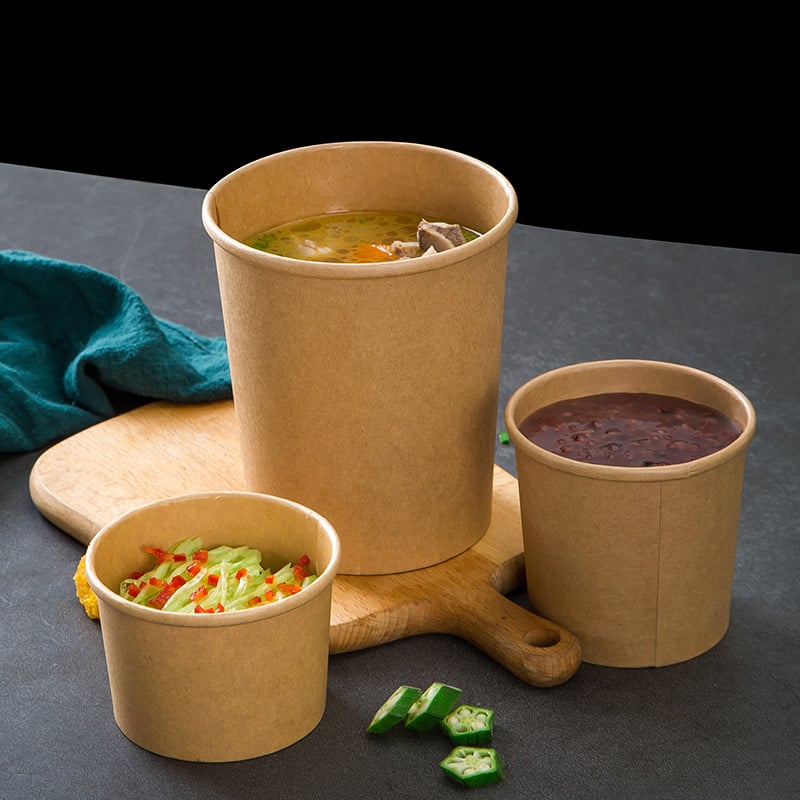
This infrastructure development is uneven, and operators in areas without composting access should be transparent about that limitation. However, the trajectory is positive, and the compostable paper soup bowl is well-positioned to deliver increasing environmental value as composting networks continue to grow.
Certification Standards Provide Credibility and Clarity
The proliferation of environmental claims in packaging has created consumer skepticism, but recognized certification standards help cut through the noise. A compostable paper soup bowl that carries certification from an established body gives operators and consumers a reliable signal that the product meets defined compostability criteria. This certification also provides legal protection against greenwashing claims, which is increasingly relevant as regulators scrutinize environmental marketing.
For procurement teams evaluating compostable paper soup bowl options, certification status is a practical screening criterion. It simplifies supplier evaluation and provides documentation that can be used in sustainability reporting, tender submissions, and customer-facing communications. The availability of certified products has made the compostable paper soup bowl a more defensible and credible choice for serious food service operators.
Strategic Alignment With Broader Sustainability Goals
Packaging Choices Feed Into Corporate Sustainability Reporting
For food service companies with formal sustainability commitments, every packaging decision contributes to measurable metrics. Switching to a compostable paper soup bowl generates data points that can be reported against waste reduction targets, plastic elimination goals, and circular economy commitments. As sustainability reporting becomes more standardized and scrutinized by investors, customers, and regulators, the ability to demonstrate concrete packaging improvements carries real organizational value.
The compostable paper soup bowl is a tangible, visible action that supports broader sustainability narratives. It is the kind of specific, product-level change that translates well into sustainability reports, press releases, and stakeholder communications because it is concrete and verifiable rather than aspirational.
Early Adoption Builds Operational Competency
Food service operators who adopt the compostable paper soup bowl now are building internal knowledge about sustainable packaging procurement, staff training for proper disposal, and customer communication around composting. This operational competency will become increasingly valuable as sustainability requirements tighten and the expectation of compostable packaging extends beyond soup bowls to broader packaging categories.
Early movers also have the opportunity to shape supplier relationships, negotiate better pricing as volumes grow, and establish themselves as credible sustainability leaders in their market segment. The compostable paper soup bowl is, in this sense, not just a product decision but a capability-building investment.
FAQ
What makes a paper soup bowl compostable rather than just recyclable?
A compostable paper soup bowl is designed to break down into organic matter under composting conditions, typically within a defined timeframe in an industrial composting facility. Unlike recyclable paper, which requires separation of fiber from any barrier coating, a compostable paper soup bowl uses plant-based or other certified compostable barrier materials that break down along with the paper fiber. Recyclability and compostability are distinct end-of-life pathways, and the compostable paper soup bowl is optimized for the composting stream rather than the recycling stream.
Can a compostable paper soup bowl handle hot liquids without leaking?
Yes, modern compostable paper soup bowl products are engineered to hold hot liquids reliably during typical food service use. The barrier coatings used in current designs provide sufficient moisture and heat resistance for standard soup service scenarios. Performance can vary by product and manufacturer, so operators should evaluate specific products under their actual service conditions, particularly for extended holding times or very high-temperature applications.
Is a compostable paper soup bowl more expensive than conventional alternatives?
The price gap between a compostable paper soup bowl and conventional foam or plastic-lined alternatives has narrowed significantly as the market has matured. While compostable options may still carry a modest premium in some procurement contexts, many operators find that the compliance, brand, and sustainability reporting benefits offset the cost difference. Volume purchasing and established supplier relationships can further reduce the price differential.
How should food service operators communicate compostable packaging to customers?
Clear, honest communication is most effective. Operators using a compostable paper soup bowl should indicate on the packaging or through point-of-sale messaging that the bowl is compostable and provide guidance on how customers can dispose of it correctly in their area. Overstating environmental benefits or implying home compostability when the product requires industrial composting can undermine trust. Straightforward messaging that acknowledges both the benefit and the infrastructure requirement tends to resonate better with environmentally aware consumers.
Table of Contents
- Regulatory Pressure Is Reshaping Packaging Decisions
- Consumer Expectations Have Shifted Meaningfully
- Material and Performance Improvements Have Removed Key Barriers
- Composting Infrastructure and End-of-Life Clarity Are Improving
- Strategic Alignment With Broader Sustainability Goals
-
FAQ
- What makes a paper soup bowl compostable rather than just recyclable?
- Can a compostable paper soup bowl handle hot liquids without leaking?
- Is a compostable paper soup bowl more expensive than conventional alternatives?
- How should food service operators communicate compostable packaging to customers?