
 EN
EN
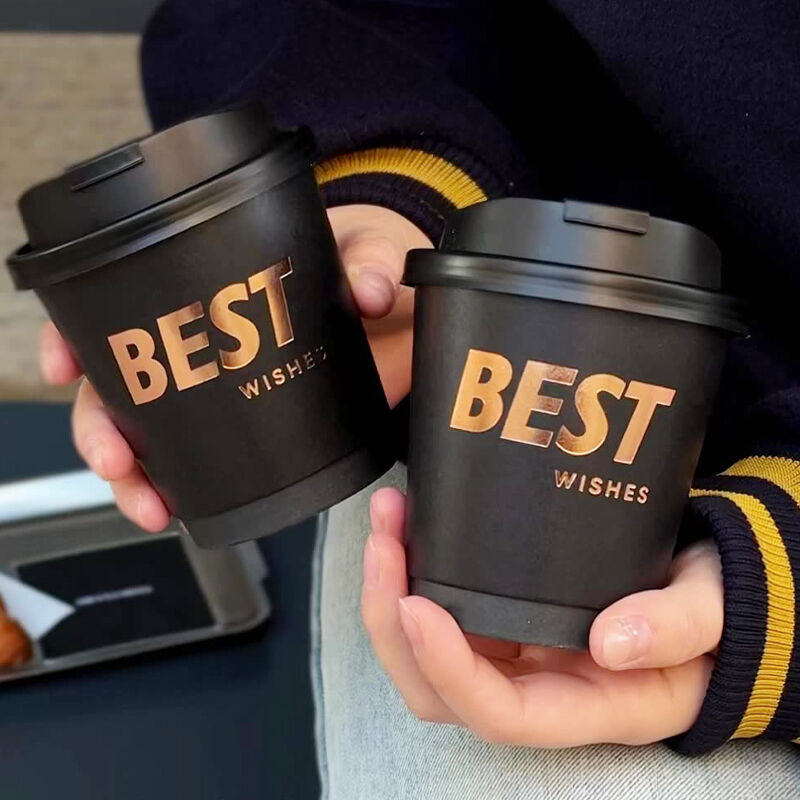
The global shift toward sustainable consumption has placed the eco friendly disposable cup at the center of a major industry transformation. From independent coffee shops to large-scale food service operations, businesses across every continent are reconsidering the materials they use for single-use beverage packaging. This is not simply a trend driven by marketing — it reflects a deep and measurable change in how consumers, regulators, and businesses think about waste, responsibility, and long-term brand value.
Understanding why the eco friendly disposable cup has gained such widespread global popularity requires looking at several converging forces simultaneously. Regulatory pressure, shifting consumer values, advances in sustainable materials, and the commercial logic of responsible sourcing have all aligned to make this category one of the fastest-growing segments in food service packaging. This article explores each of those drivers in depth, offering practical context for businesses evaluating their own packaging decisions.
The Regulatory Environment Driving Demand for Sustainable Packaging
Government Policies Targeting Single-Use Plastics
One of the most powerful forces behind the rise of the eco friendly disposable cup is the expanding web of government regulations targeting single-use plastics. Across the European Union, North America, Southeast Asia, and beyond, policymakers have introduced bans, levies, and mandatory labeling requirements that directly affect how beverage cups are manufactured, sold, and disposed of. These regulations are not temporary measures — they represent a structural shift in how governments approach packaging waste.
In the EU, the Single-Use Plastics Directive has pushed food service operators to seek alternatives that meet compliance standards. Similar legislation in the United Kingdom, Canada, and several Asian markets has created a regulatory floor that makes the eco friendly disposable cup not just a preference but a business necessity. Companies that fail to adapt face fines, reputational damage, and potential loss of operating licenses in regulated markets.
For businesses operating across multiple markets, the regulatory landscape creates a strong incentive to standardize on sustainable packaging solutions. Adopting an eco friendly disposable cup across all locations simplifies compliance management and reduces the operational complexity of maintaining different product lines for different jurisdictions.
Extended Producer Responsibility and Industry Accountability
Beyond direct bans, extended producer responsibility schemes are placing financial accountability on manufacturers and distributors for the end-of-life management of their packaging. These frameworks mean that businesses sourcing conventional plastic cups may face escalating costs tied to waste collection and processing. By contrast, sourcing an eco friendly disposable cup made from compostable or recyclable materials can reduce or eliminate these liabilities in many jurisdictions.
This accountability model is reshaping procurement decisions at the corporate level. Sustainability managers and procurement teams are increasingly evaluating packaging suppliers not just on price and quality but on the environmental credentials of their products. The eco friendly disposable cup has become a standard line item in responsible sourcing frameworks, particularly for businesses with published environmental, social, and governance commitments.
Shifting Consumer Values and the Demand for Responsible Choices
How Consumer Awareness Is Reshaping Purchase Behavior
Consumer awareness of environmental issues has grown substantially over the past decade, and this awareness is directly influencing purchasing behavior at the point of sale. Research consistently shows that a significant and growing proportion of consumers — particularly younger demographics — actively prefer businesses that demonstrate environmental responsibility. Offering an eco friendly disposable cup is one of the most visible and immediate ways a food service business can signal that commitment.
This preference is not limited to niche markets or premium segments. Mainstream coffee chains, fast food operators, and convenience retailers have all reported that sustainable packaging choices positively influence customer perception and loyalty. When a customer receives their beverage in an eco friendly disposable cup, it communicates a set of values that many consumers now actively seek out when choosing where to spend their money.
The visibility of the cup itself matters enormously in this dynamic. Unlike back-of-house sustainability initiatives, the packaging a customer holds in their hand is a direct, tangible expression of a brand's values. An eco friendly disposable cup with clear sustainability messaging becomes a passive marketing tool that reinforces brand positioning with every use.
Social Media, Transparency, and the Amplification of Sustainability Messaging
Social media has dramatically amplified the visibility of packaging choices. Images of plastic waste in oceans and landfills circulate widely, creating emotional resonance that translates into consumer action. At the same time, businesses that make genuine sustainability commitments — including switching to an eco friendly disposable cup — often receive positive organic coverage that reinforces their brand reputation.
Transparency has become a key expectation. Consumers increasingly want to know what their cup is made from, how it was produced, and what happens to it after use. Businesses that can clearly communicate the sustainability credentials of their eco friendly disposable cup — whether it is compostable, made from recycled content, or certified by a recognized environmental standard — are better positioned to build trust with this audience.
This dynamic creates a virtuous cycle. As more businesses adopt the eco friendly disposable cup and communicate that choice effectively, consumer expectations rise, which in turn accelerates adoption across the industry. What begins as a differentiator quickly becomes a baseline expectation in competitive markets.
Material Innovation and the Practical Viability of Eco Friendly Options
Advances in Paper Cup Technology and Barrier Coatings
A major reason the eco friendly disposable cup has gained practical traction is the significant improvement in the materials and manufacturing technologies available to producers. Early generations of paper cups relied on polyethylene plastic linings that made them difficult to recycle and slow to decompose. Modern eco friendly disposable cup designs increasingly use plant-based barrier coatings, water-based linings, or fully compostable materials that address these limitations without compromising performance.
Double-wall construction, for example, has become a widely adopted design feature that improves insulation and reduces the need for additional sleeves, cutting material use while enhancing the user experience. This kind of innovation demonstrates that the eco friendly disposable cup is not a compromise — it is a technically mature product category that meets the demanding requirements of hot and cold beverage service.
Embossed designs and premium finishes have further elevated the perceived quality of the eco friendly disposable cup, making it suitable for specialty coffee environments and premium beverage brands that previously relied on conventional materials for aesthetic reasons. The combination of sustainability credentials and visual appeal has removed a significant barrier to adoption in the premium segment.
Compostability, Recyclability, and End-of-Life Clarity
One of the persistent challenges with sustainable packaging has been the complexity of end-of-life pathways. Consumers and businesses alike have struggled with uncertainty about whether a given eco friendly disposable cup is truly compostable, recyclable in standard streams, or requires specialized processing. Material innovation has made significant progress in addressing this confusion by producing cups that meet recognized certification standards for industrial composting or curbside recycling.
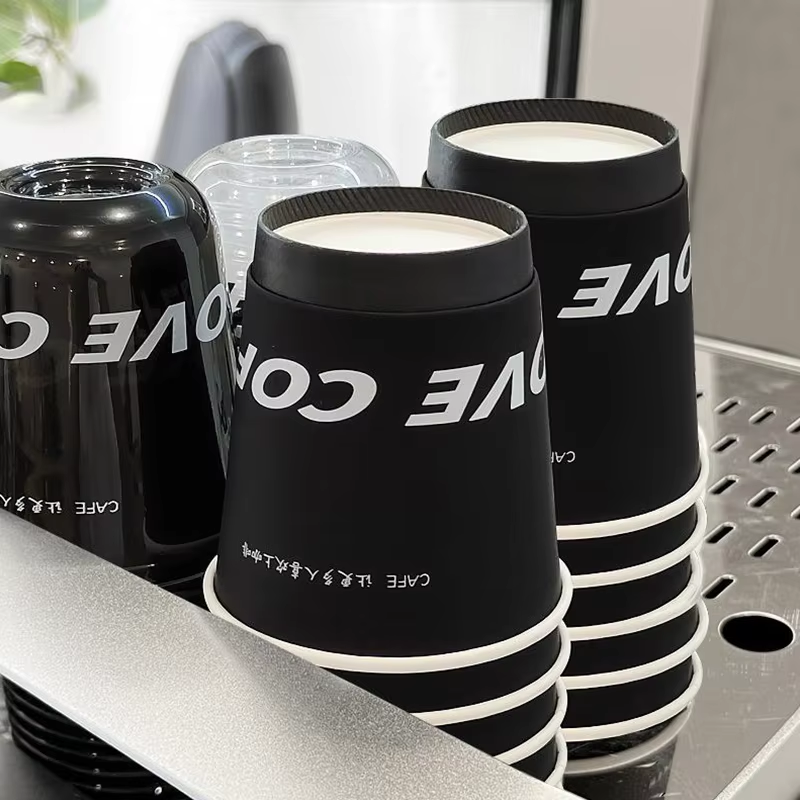
Certifications from bodies such as the Biodegradable Products Institute or equivalent European standards provide third-party verification that an eco friendly disposable cup performs as claimed under real-world conditions. For businesses, these certifications simplify procurement decisions and provide defensible evidence for sustainability claims made to customers and regulators.
As composting and recycling infrastructure continues to expand in urban markets globally, the practical value of choosing an eco friendly disposable cup increases. The alignment between product design and available waste management infrastructure is a critical factor in the long-term viability of sustainable packaging at scale.
Business Logic and the Commercial Case for Sustainable Packaging
Brand Differentiation and Long-Term Customer Loyalty
Beyond compliance and consumer preference, there is a clear commercial logic to adopting the eco friendly disposable cup as a standard part of a food service operation. Brand differentiation in competitive markets increasingly depends on values alignment as much as product quality or price. Businesses that make credible, visible sustainability commitments — including their choice of packaging — build stronger emotional connections with customers who share those values.
Customer loyalty programs, social media engagement, and word-of-mouth referrals are all positively influenced by a brand's sustainability reputation. The eco friendly disposable cup is a low-friction, high-visibility way to contribute to that reputation consistently across every customer interaction. For businesses serving hundreds or thousands of customers daily, the cumulative brand impact of this choice is substantial.
Corporate clients, event organizers, and institutional buyers are also increasingly requiring sustainability credentials from their food service suppliers. An eco friendly disposable cup that meets recognized environmental standards can be a decisive factor in winning and retaining B2B contracts in sectors where procurement policies mandate sustainable sourcing.
Cost Considerations and the Evolving Economics of Sustainable Packaging
A common concern among businesses evaluating the eco friendly disposable cup is cost. Historically, sustainable packaging options carried a price premium over conventional plastic alternatives. While some premium still exists in certain product categories, the economics have shifted considerably as production volumes have scaled and manufacturing efficiencies have improved. For many standard cup formats, the cost differential has narrowed to a level that most businesses can absorb without significant impact on margins.
When total cost of ownership is considered — including potential regulatory compliance costs, waste management fees under extended producer responsibility schemes, and the reputational value of sustainability credentials — the eco friendly disposable cup often represents a sound financial decision as well as an ethical one. Businesses that frame the decision purely as a unit cost comparison may underestimate the full value equation.
As demand for the eco friendly disposable cup continues to grow globally, further economies of scale are expected to reduce costs and improve availability. Businesses that establish sustainable packaging practices now are better positioned to benefit from these trends and to avoid the disruption of reactive compliance in the future.
FAQ
What makes a disposable cup genuinely eco friendly?
A genuinely eco friendly disposable cup is one that uses materials with a lower environmental impact than conventional plastic, such as sustainably sourced paper, plant-based barrier coatings, or certified compostable materials. It should also have a clear and viable end-of-life pathway — whether industrial composting, home composting, or recycling — supported by recognized third-party certification. Claims of sustainability should be verifiable rather than based solely on marketing language.
Are eco friendly disposable cups suitable for both hot and cold beverages?
Yes, modern eco friendly disposable cup designs are engineered to perform across a wide range of beverage temperatures. Double-wall paper cup constructions provide excellent insulation for hot drinks, while single-wall and cold cup variants are designed to handle iced beverages and condensation effectively. The key is selecting the appropriate cup specification for the intended application, as not all eco friendly formats are optimized for every use case.
How do businesses communicate the sustainability of their cup choices to customers?
Effective communication typically combines on-cup messaging — such as certification logos, material descriptions, or disposal instructions — with broader brand storytelling through social media, in-store signage, and staff training. Transparency is essential: customers respond more positively to specific, verifiable claims about an eco friendly disposable cup than to vague sustainability language. Linking packaging choices to broader environmental commitments helps integrate the message into a coherent brand narrative.
Will the popularity of eco friendly disposable cups continue to grow?
All available indicators suggest that the eco friendly disposable cup will continue to gain market share globally. Regulatory pressure is intensifying in most major markets, consumer expectations are rising, and material technology continues to improve. Businesses that invest in sustainable packaging now are aligning with the direction of travel across the industry, while those that delay face increasing compliance risk and potential competitive disadvantage as sustainable packaging becomes the expected standard rather than a differentiator.