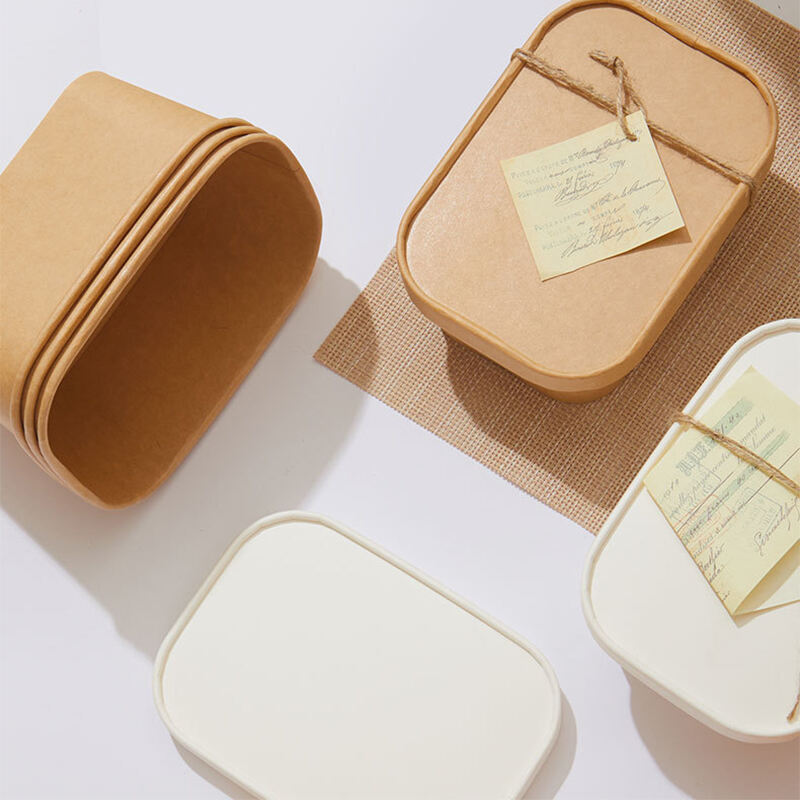
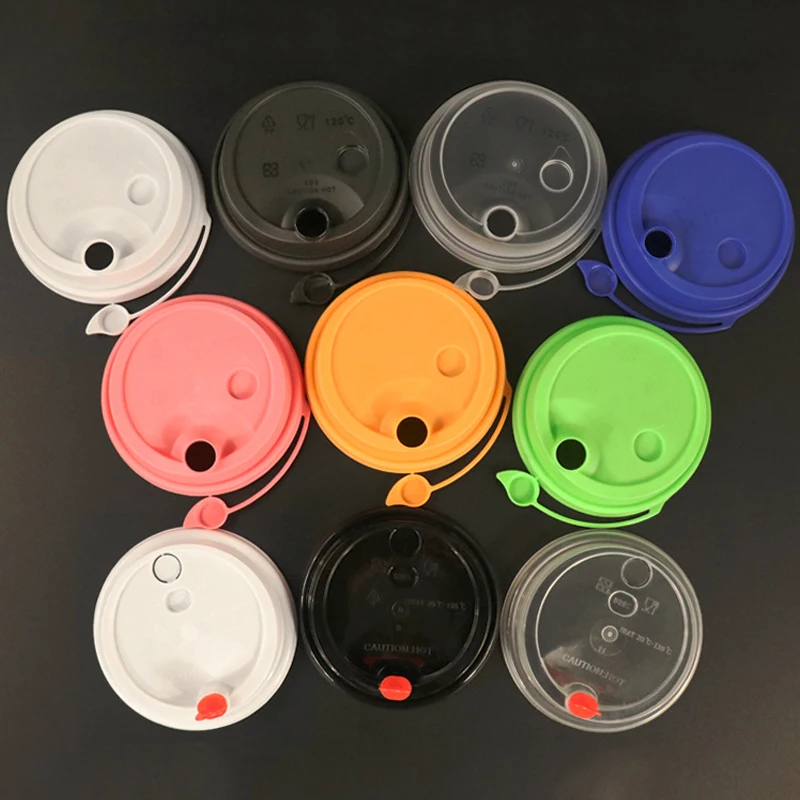
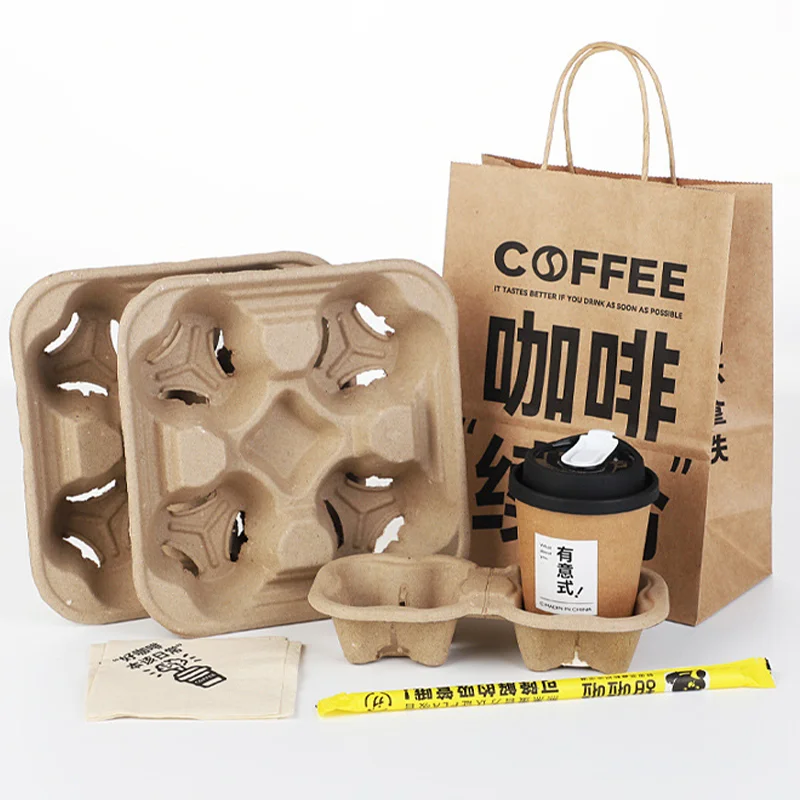
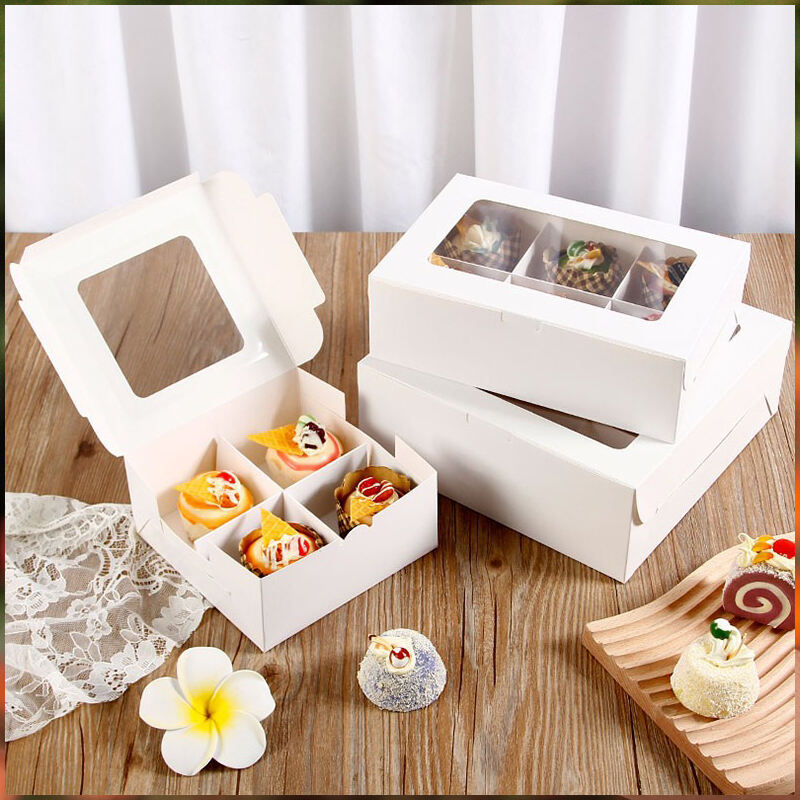
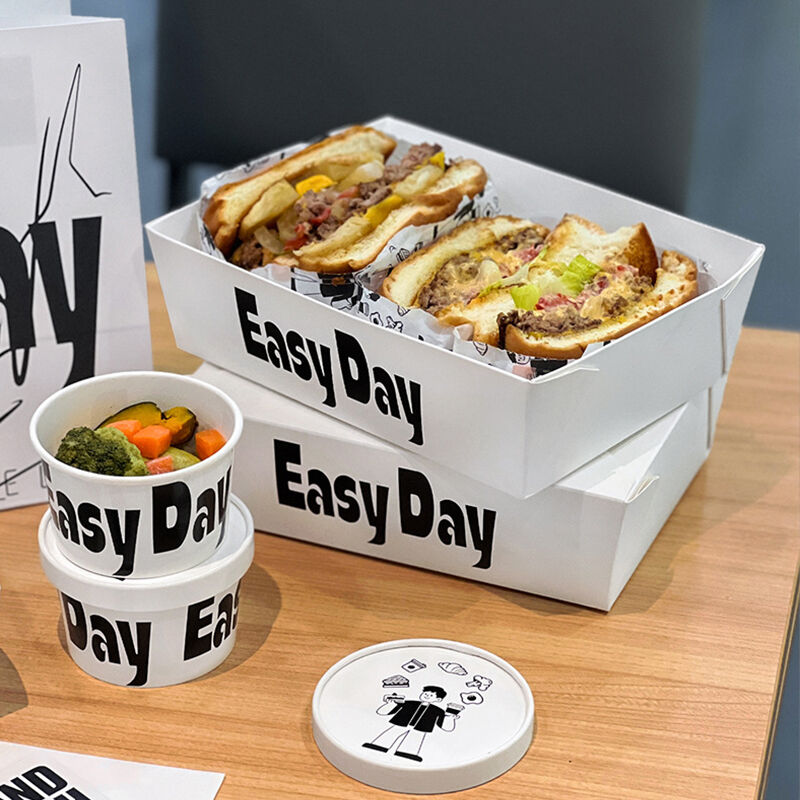
Compostable Food Packaging: Sustainable Solutions for Eco-Friendly Food Service

All Categories

compostable food packaging

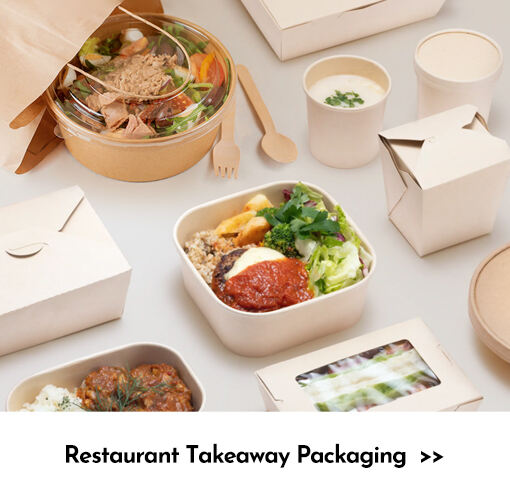
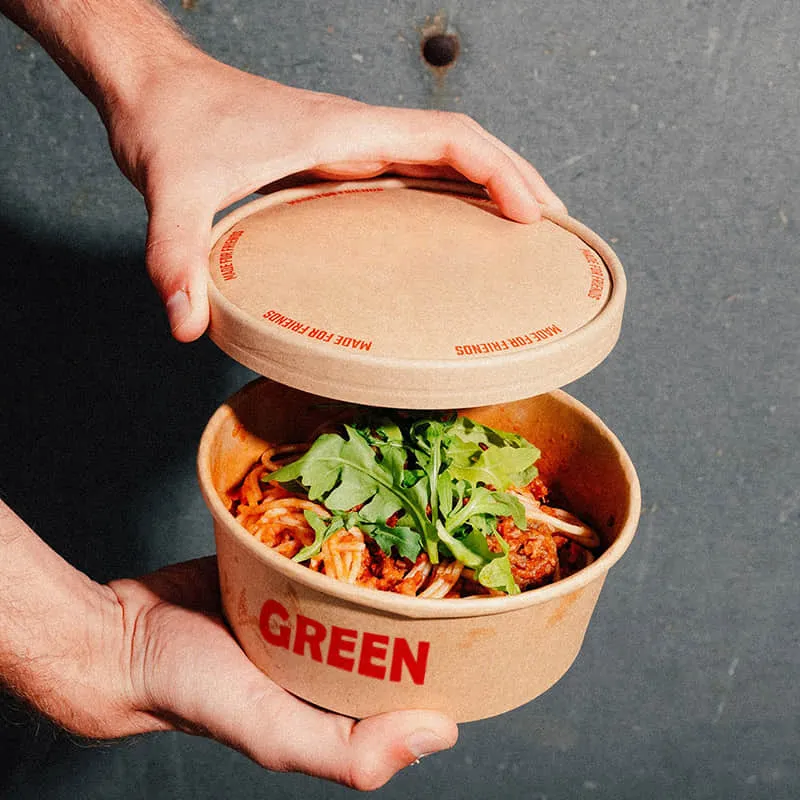
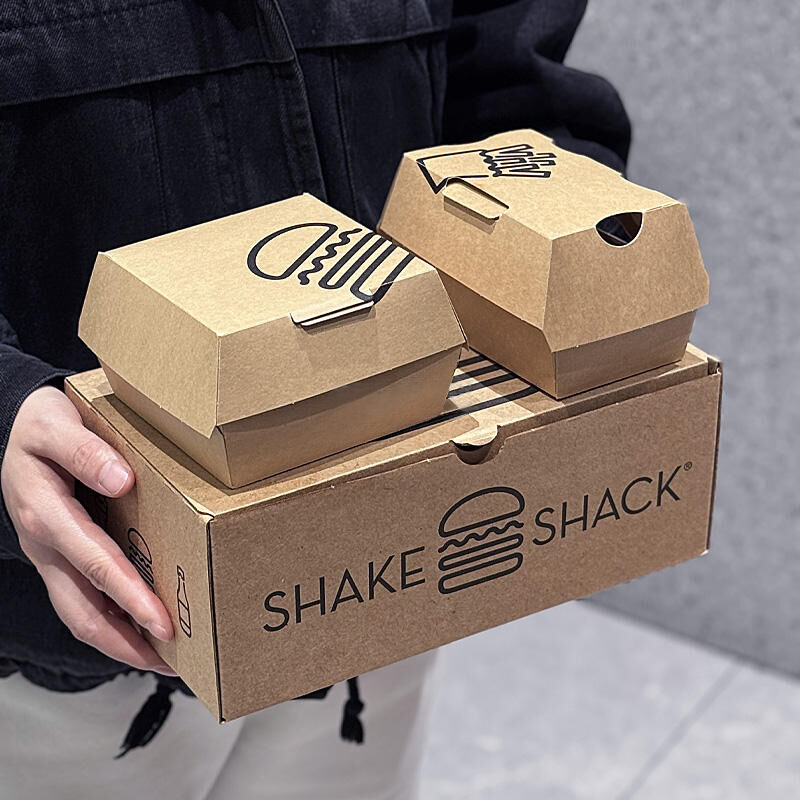
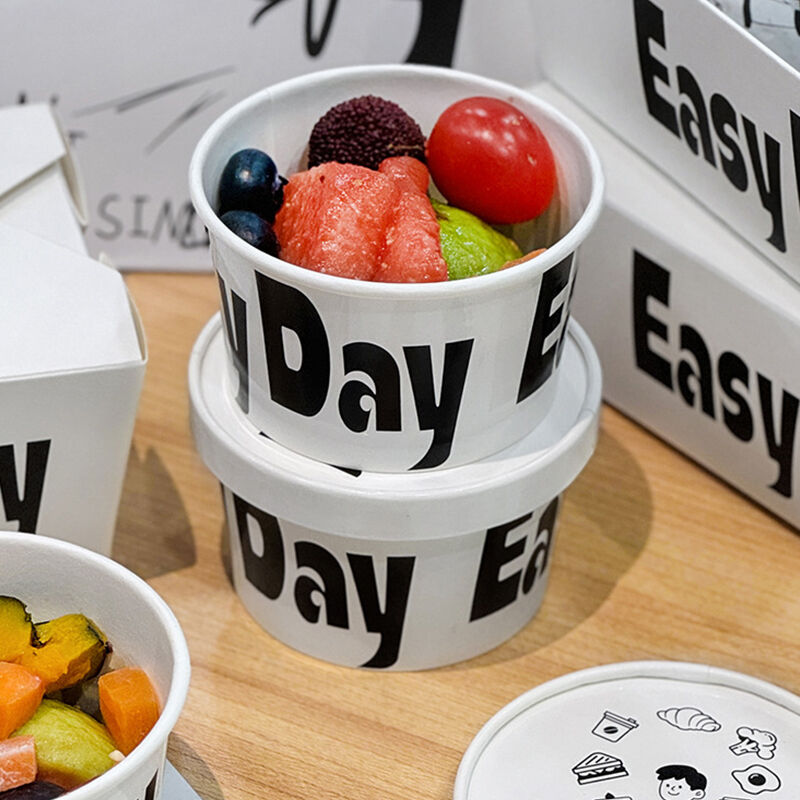
Compostable food packaging represents a revolutionary shift in sustainable packaging solutions, designed to address the growing environmental concerns surrounding traditional food containers. This innovative packaging technology utilizes biodegradable materials that completely decompose into natural elements when properly composted, leaving no harmful residues in the environment. The main functions of compostable food packaging extend beyond simple food containment to include moisture retention, temperature regulation, and product protection while maintaining complete environmental compatibility. These packaging solutions incorporate advanced material science, utilizing plant-based polymers, agricultural waste fibers, and other renewable resources to create durable yet decomposable containers. The technological features of compostable food packaging include specialized barrier coatings that prevent oil and moisture penetration without compromising biodegradability. Advanced manufacturing processes ensure these packages maintain structural integrity throughout their intended use while initiating natural decomposition when exposed to appropriate composting conditions. The applications for compostable food packaging span across multiple food service sectors including restaurants, cafeterias, food trucks, catering services, and retail establishments. These versatile containers accommodate hot foods, cold beverages, fresh produce, and prepared meals without compromising food quality or safety standards. The packaging maintains temperature control for extended periods, ensuring optimal food presentation and customer satisfaction. Commercial kitchens utilize compostable food packaging for takeout orders, delivery services, and meal preparation storage. Retail grocery stores implement these solutions for deli counters, prepared food sections, and fresh produce displays. The technology behind compostable food packaging continues advancing, incorporating improved barrier properties and enhanced durability while maintaining rapid decomposition capabilities in industrial composting facilities. These innovations address critical environmental challenges by reducing landfill waste and plastic pollution while providing businesses with practical, cost-effective packaging alternatives that meet modern sustainability requirements without sacrificing functionality or consumer appeal.


New Products

Compostable food packaging delivers significant environmental benefits that directly impact waste reduction and ecological preservation. Businesses choosing these sustainable alternatives reduce their carbon footprint substantially compared to traditional plastic packaging systems. The packaging decomposes completely within 90 to 180 days in commercial composting facilities, transforming into nutrient-rich soil amendments rather than accumulating in landfills for centuries. This decomposition process creates valuable compost that enriches agricultural soils and supports sustainable farming practices. Companies implementing compostable food packaging demonstrate environmental responsibility that resonates strongly with eco-conscious consumers, building brand loyalty and competitive advantages in increasingly sustainability-focused markets. The cost-effectiveness of compostable food packaging continues improving as production scales increase and technology advances. Businesses often discover reduced waste management expenses since compostable materials integrate seamlessly into organic waste streams, eliminating separate disposal requirements. Many municipalities offer reduced waste collection fees for establishments using compostable packaging, providing additional cost savings. The packaging performs exceptionally well across various temperature ranges, maintaining structural integrity for hot soups, cold salads, and frozen desserts without compromising food quality or safety. Compostable food packaging meets stringent food safety regulations and certifications, ensuring complete compliance with health department requirements. The materials resist grease penetration and moisture absorption while providing excellent insulation properties. Restaurant operations benefit from simplified inventory management since these versatile containers accommodate diverse menu items without requiring multiple packaging types. Customer satisfaction increases as diners appreciate businesses that prioritize environmental stewardship through sustainable packaging choices. The packaging maintains professional appearance standards, offering clean aesthetics that enhance food presentation and brand image. Market research consistently shows consumers willingly pay premium prices for products packaged in environmentally responsible materials, directly improving profit margins. Compostable food packaging eliminates guilt associated with single-use containers, encouraging repeat business from environmentally conscious customers. Supply chain advantages include reliable availability from multiple manufacturers and consistent quality standards across different suppliers, ensuring uninterrupted operations for food service establishments.

Tips And Tricks

How Do Cupcake Boxes Improve Product Safety During Delivery

18

Dec

How Do Cupcake Boxes Improve Product Safety During Delivery

In the competitive world of bakery and confectionery businesses, ensuring that delicate baked goods arrive at their destination in perfect condition is paramount to customer satisfaction and brand reputation. Specialized packaging solutions have revo...
View More
How Do Paper Lunch Boxes Improve Takeout Protection and Freshness?

18

Dec

How Do Paper Lunch Boxes Improve Takeout Protection and Freshness?

The food service industry has witnessed a remarkable transformation in packaging solutions, with paper lunch boxes emerging as a cornerstone of modern takeout operations. These innovative containers represent more than just an eco-friendly alternativ...
View More
How do paper food containers improve delivery and logistics efficiency?

20

Apr

How do paper food containers improve delivery and logistics efficiency?

Paper food containers have revolutionized the food delivery and logistics industry by offering practical solutions that streamline operations, reduce costs, and enhance customer satisfaction. These packaging solutions directly address key operational...
View More
How can a paper lunch box prevent leaks and maintain food quality?

20

Apr

How can a paper lunch box prevent leaks and maintain food quality?

A paper lunch box can effectively prevent leaks and maintain food quality through careful design engineering, specialized coating technologies, and thoughtful material selection. Modern paper lunch box products incorporate multiple barrier layers, gr...
View More

Get a Free Quote

Our representative will contact you soon.
Email
Name
Phone
Company Name
Which product series are you more interested in
Message
0/1000

compostable food packaging

Complete Environmental Decomposition

Complete Environmental Decomposition

The complete environmental decomposition capability of compostable food packaging sets it apart from conventional packaging solutions through scientifically proven biodegradation processes. This remarkable feature ensures that every component of the packaging breaks down into natural elements within controlled timeframes, leaving absolutely no harmful residues or microplastics in the environment. The decomposition process follows established ASTM and EN composting standards, requiring specific temperature, humidity, and microbial conditions typically found in commercial composting facilities. During the initial decomposition phase, specialized enzymes and microorganisms begin breaking down the molecular structure of the packaging materials, converting complex polymers into simpler organic compounds. The packaging transforms progressively through disintegration, biodegradation, and mineralization phases, ultimately becoming indistinguishable from natural organic matter. This complete decomposition process creates valuable compost rich in nutrients that support healthy soil ecosystems and sustainable agriculture. Independent laboratory testing confirms that compostable food packaging achieves 90% biodegradation within 180 days under optimal composting conditions, meeting international certification requirements. The environmental benefits extend beyond waste reduction to include carbon sequestration, as the decomposed materials contribute to soil carbon storage rather than releasing greenhouse gases associated with landfill decomposition. Businesses utilizing this packaging demonstrate measurable environmental impact reduction, contributing to circular economy principles and sustainable resource management. The decomposition process requires no special treatments or chemicals, relying entirely on natural biological processes that have operated in ecosystems for millennia. Commercial composting facilities readily accept certified compostable packaging, integrating it seamlessly into existing organic waste processing systems. This compatibility eliminates the need for specialized disposal infrastructure while supporting the growth of composting programs nationwide. The complete decomposition feature provides businesses with genuine sustainability credentials, enabling authentic environmental marketing claims backed by scientific evidence and third-party certifications.
Superior Food Protection Performance

Superior Food Protection Performance

Superior food protection performance distinguishes compostable food packaging through advanced barrier technologies that maintain food quality, safety, and freshness without compromising environmental benefits. This exceptional performance stems from innovative material engineering that creates effective barriers against moisture, oxygen, grease, and temperature fluctuations while preserving the packaging's compostable properties. The specialized barrier coatings utilize plant-based polymers and natural waxes that provide excellent grease resistance, preventing oil penetration that could compromise structural integrity or create unsanitary conditions. Temperature resistance capabilities enable the packaging to safely contain hot foods up to 200 degrees Fahrenheit without warping, melting, or releasing harmful chemicals into food contents. Cold temperature performance remains equally impressive, maintaining flexibility and strength in refrigerated and frozen applications without becoming brittle or cracking. Advanced moisture barrier properties protect dry goods from humidity while allowing proper ventilation for fresh produce, creating optimal storage conditions that extend shelf life and maintain product quality. The packaging demonstrates superior puncture resistance and structural integrity compared to many traditional alternatives, reducing product loss from container failures during transport and handling. Specialized designs incorporate reinforced edges and optimized wall thickness distribution that provides enhanced durability while minimizing material usage. Food safety certifications ensure the packaging meets stringent regulatory requirements for direct food contact, including migration testing that confirms no harmful substances transfer from packaging to food products. The barrier performance maintains consistency throughout the packaging's useful life, ensuring reliable protection from initial filling through final consumption. Innovative venting systems integrated into certain designs allow controlled gas exchange that prevents moisture buildup while maintaining protective barriers against external contaminants. Quality control testing protocols verify that each batch of compostable food packaging meets established performance standards for barrier effectiveness, structural integrity, and food safety compliance. Restaurant and food service operations report consistent performance across diverse menu items, from hot soups and sauces to delicate pastries and fresh salads, demonstrating the packaging's versatility and reliability.
Cost-Effective Sustainability Solution

Cost-Effective Sustainability Solution

Cost-effective sustainability represents a transformative advantage of compostable food packaging that delivers measurable economic benefits while advancing environmental goals. This comprehensive cost-effectiveness emerges from multiple factors including reduced waste disposal fees, improved operational efficiency, enhanced brand value, and long-term supply chain stability. Businesses implementing compostable food packaging often experience immediate cost savings through reduced waste management expenses, as these materials integrate into organic waste streams that typically cost less to process than mixed solid waste. Many municipalities and waste management companies offer preferential rates for establishments generating primarily compostable waste, recognizing the reduced processing complexity and environmental benefits. The packaging's versatility eliminates the need for multiple container types, simplifying inventory management and reducing storage requirements that translate into operational cost savings. Bulk purchasing advantages become available as businesses consolidate their packaging needs around compostable solutions, leveraging volume discounts and reduced supplier relationship complexity. Premium pricing opportunities emerge as consumer research consistently demonstrates willingness to pay higher prices for products packaged in environmentally responsible materials, directly improving profit margins and revenue generation. Marketing cost savings result from authentic sustainability messaging that resonates with target audiences, reducing the need for expensive promotional campaigns to differentiate products in competitive markets. Brand loyalty improvements contribute to long-term profitability through increased customer retention rates and positive word-of-mouth referrals that reduce customer acquisition costs. Supply chain risk mitigation provides additional economic value as compostable packaging manufacturers typically maintain diverse raw material sources, reducing vulnerability to petroleum-based plastic supply disruptions. Energy cost savings occur during the manufacturing process, as plant-based materials generally require less energy to produce than petroleum-derived alternatives. Government incentives and tax benefits increasingly favor businesses adopting sustainable practices, providing additional economic advantages for early adopters of compostable packaging solutions. Insurance cost reductions may apply as companies demonstrate environmental responsibility that reduces liability risks associated with pollution and waste management. The total cost of ownership calculation reveals that compostable food packaging often provides superior economic value when considering all direct and indirect costs over the complete product lifecycle.
Compostable Food Packaging: Sustainable Solutions for Eco-Friendly Food Service

Get a Free Quote

Our representative will contact you soon.
Email
Name
Phone
Company Name
Which product series are you more interested in
Message
0/1000