
 EN
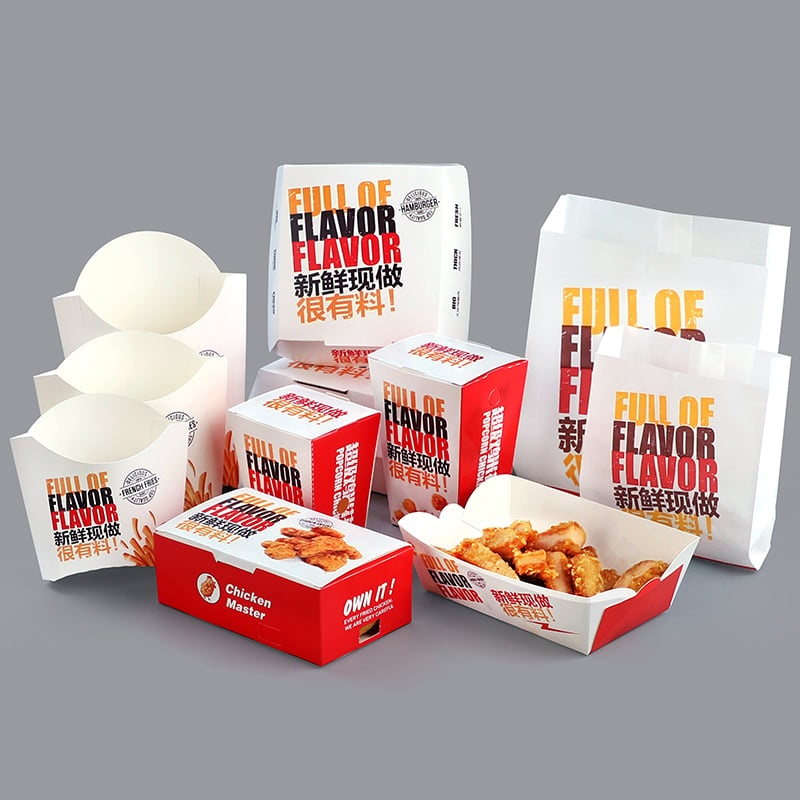
Fast food packaging represents one of the largest sources of operational waste in the takeaway industry, yet many businesses continue relying on outdated solutions that harm both their bottom line and the environment. Every day, millions of disposable containers leave food service establishments destined for landfills, where they persist for decades. The challenge facing modern takeaway operators is not whether fast food packaging waste matters, but how to systematically reduce it without compromising efficiency, food safety, or customer satisfaction. Understanding the connection between smart fast food packaging choices and waste reduction is essential for any business looking to improve sustainability while maintaining competitive advantage.

The shift toward waste-reducing fast food packaging is not merely an environmental trend but a business imperative. Regulatory frameworks are tightening globally, consumer expectations are rising, and operational costs associated with waste disposal are climbing steadily. Forward-thinking takeaway operations recognize that fast food packaging serves a dual purpose: protecting the product during transit while minimizing environmental footprint. This article explores practical strategies for reducing waste through intelligent fast food packaging selection, implementation tactics, and real-world benefits that extend far beyond environmental compliance.
Understanding Material Choices in Fast Food Packaging Solutions
Transitioning from Conventional to Sustainable Fast Food Packaging
Traditional fast food packaging has historically prioritized cost and convenience over environmental considerations. Expanded polystyrene foam containers, plastic films, and multi-layer composites dominated the industry because they were inexpensive and readily available. However, this approach created a sustainability crisis that directly impacts operational costs through waste disposal fees and regulatory penalties. Modern fast food packaging alternatives, such as kraft paper containers, molded fiber boxes, and compostable materials, offer comparable functionality while dramatically reducing environmental burden. The transition requires understanding material properties, biodegradability timelines, and performance characteristics under real-world conditions.
Evaluating Biodegradability and Decomposition Timelines
The environmental impact of fast food packaging depends heavily on material composition and end-of-life scenarios. Conventional plastic containers persist in the environment for 400+ years, while well-designed fast food packaging from renewable sources can decompose within months or years. Kraft paper-based fast food packaging breaks down through natural decomposition processes, either in composting facilities or landfill environments. Businesses evaluating fast food packaging options should examine certification standards like BPI (Biodegradable Products Institute) or OK Compost certifications to ensure claims are legitimate. Understanding these timelines helps operators make informed decisions about which fast food packaging solutions align with their sustainability commitments and local waste management infrastructure.
Waste Reduction Strategies Through Smart Fast Food Packaging Design
Right-Sizing and Multi-Use Container Approaches
One of the most effective waste-reduction strategies in fast food packaging involves eliminating unnecessary packaging layers and oversized containers. Many takeaway operations automatically use oversized fast food packaging regardless of portion size, creating excess material that serves no functional purpose. Implementing tiered fast food packaging options—small, medium, and large containers optimized for each portion—dramatically reduces per-unit material consumption. Some progressive operators are exploring reusable fast food packaging systems where customers return containers for cleaning and reuse, effectively eliminating single-use waste entirely. This approach requires logistical planning and customer education but demonstrates measurable waste reduction outcomes.
Integrated Design Features That Minimize Material Waste
Modern fast food packaging engineering incorporates design features that reduce material requirements while maintaining structural integrity and food safety. Collapsible fast food packaging reduces storage space and transportation volume, lowering overall material needs and shipping emissions. Compartmentalized fast food packaging consolidates multiple items into single containers, eliminating redundant outer wrapping and protective layers. Reinforced kraft corners and strategically positioned support ridges allow fast food packaging to use thinner materials without compromising durability. These design innovations represent tangible ways to achieve waste reduction without sacrificing the protective functions that fast food packaging must provide during transport, storage, and handling.
Operational Implementation and Cost-Benefit Analysis
Integration Strategies for Waste-Reducing Fast Food Packaging
Implementing new fast food packaging systems requires careful coordination across procurement, production, storage, and customer-facing operations. Staff training is essential to prevent misuse or damage to unfamiliar fast food packaging materials, which can undermine waste-reduction benefits. Phased implementation, starting with your highest-volume product categories, allows operators to optimize fast food packaging workflows before full-scale rollout. Supplier relationships become critical, as consistent fast food packaging quality and reliable delivery schedules directly impact operational efficiency. Integration also involves updating internal systems for inventory management, cost tracking, and waste measurement to accurately quantify the impact of new fast food packaging choices.
Economic and Environmental Returns from Fast Food Packaging Optimization
The financial case for waste-reducing fast food packaging extends beyond material cost savings. Reduced waste disposal fees, lower transportation costs through lighter materials, and avoided regulatory fines represent direct operational benefits. Fast food packaging made from renewable resources often qualifies for tax incentives or sustainability grants in many jurisdictions. Customer perception improvements—often monetized through brand loyalty and premium pricing—contribute additional revenue benefits. Environmental returns include reduced landfill burden, decreased manufacturing emissions, and conservation of natural resources. When calculated across an annual operation, the combined financial and environmental returns from thoughtful fast food packaging selection typically justify initial transition investments within 12-18 months.
FAQ
What makes fast food packaging truly biodegradable versus greenwashing?
Legitimate fast food packaging carries third-party certifications from organizations like BPI, OK Compost, or FSC that verify material composition and decomposition properties under controlled conditions. Look for independent testing data rather than manufacturer claims alone. Fast food packaging labeled compostable must complete decomposition within defined timeframes (typically 180 days) in industrial composting facilities. Verification through transparent supply chain documentation and material safety data sheets separates genuine fast food packaging innovations from marketing exaggeration.
Can fast food packaging reduce waste without increasing upfront costs significantly?
Yes, though initial fast food packaging costs may be slightly higher per unit. The total cost of ownership—including waste disposal, regulatory compliance, and transportation savings—often makes waste-reducing fast food packaging cost-competitive or cheaper than conventional options within months. Phased implementation, negotiated bulk pricing, and supplier partnerships help minimize upfront financial impact. Additionally, many waste-reducing fast food packaging solutions qualify for sustainability grants or tax incentives that offset initial investment.
How do customers respond to changes in fast food packaging materials?
Most customers respond positively when fast food packaging improvements are communicated clearly as environmental responsibility initiatives. Modern consumers increasingly prefer brands demonstrating sustainability commitment, and quality fast food packaging—even in alternative materials—performs comparably to conventional options. Transparent communication about fast food packaging changes, coupled with consistent quality delivery, builds customer trust and often enhances brand reputation without requiring price premiums.