
 EN
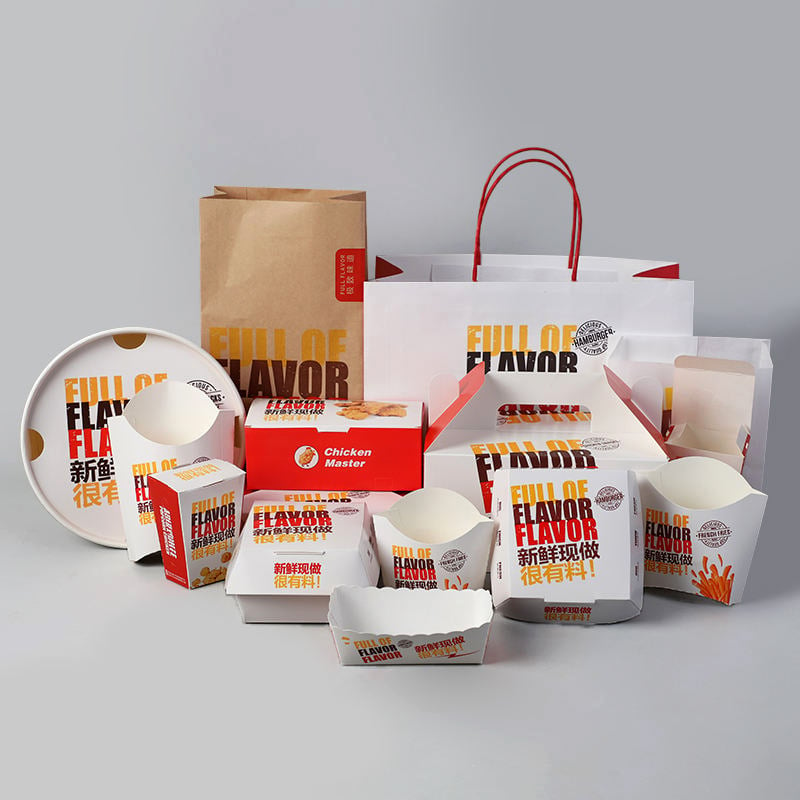
Designing effective fast food packaging requires a strategic balance between protection, functionality, and cost efficiency. Fast food packaging must withstand exposure to oils, moisture, and high temperatures while maintaining structural integrity throughout the distribution and consumer experience. The challenge intensifies when considering that fast food packaging serves as both a barrier against external contaminants and a shield that prevents food oils from degrading the package itself. Understanding the fundamental principles of fast food packaging design ensures your products reach customers in optimal condition while maintaining brand integrity and customer satisfaction.

The evolution of fast food packaging has transformed significantly over the past decade, driven by consumer expectations, regulatory requirements, and sustainability concerns. Modern fast food packaging must address multiple simultaneous demands: preventing grease penetration, maintaining food freshness, ensuring structural durability, and meeting environmental standards. Whether your operation serves burgers, sandwiches, fried items, or specialty foods, the core principles of selecting and designing fast food packaging remain consistent. This guide explores the essential strategies, material selections, and design considerations that create superior fast food packaging solutions.
Material Selection for Grease-Resistant Fast Food Packaging
Understanding Barrier Coatings and Treatments
The foundation of effective fast food packaging lies in selecting materials with inherent grease resistance or applying specialized barrier coatings. Traditional kraft paper, while cost-effective, absorbs oils without proper treatment, making it unsuitable for direct food contact in many fast food packaging applications. Modern fast food packaging incorporates polymer-based coatings, silicone treatments, or specialized wax formulations that create a hydrophobic surface, preventing oils from penetrating the material structure. These barrier treatments are essential because they determine how long fast food packaging can protect contents without degradation. The choice between natural wax coatings, synthetic polymers, or dual-layer constructions directly impacts both performance metrics and material costs in your fast food packaging strategy.
Evaluating Paper Weight and Ply Construction
Paper weight and ply construction directly influence the durability of fast food packaging against physical stress and grease exposure. Single-ply fast food packaging ranging from 35 to 45 grams per square meter provides basic structural integrity, while dual-ply or reinforced fast food packaging construction offers superior tear resistance and extended oil barrier properties. Heavier fast food packaging weights increase material costs but provide measurable advantages in structural durability and customer perception of quality. When designing fast food packaging for items with high oil content, such as fried products, consider minimum 40-gram weights with reinforced ply construction. The relationship between thickness, barrier coating effectiveness, and total cost makes material selection a critical decision point in any fast food packaging design process.
Technical Design Considerations for Durability
Structural Engineering and Fold Patterns
The structural design of fast food packaging directly affects its ability to withstand handling stress, storage pressure, and consumer use. Strategic fold patterns and reinforcement zones within fast food packaging distribute stress loads effectively, preventing tears at weak points where grease exposure often accelerates degradation. Fast food packaging designers must consider how closing mechanisms perform under typical handling conditions, ensuring seals remain intact despite exposure to moisture and oils. Reinforced edges, strategic creasing patterns, and optimized corner constructions strengthen fast food packaging against point failures. When fast food packaging experiences improper handling or stacking, well-engineered structural design prevents cascading failures that compromise grease barriers and food safety.
Seal Integrity and Closure Systems
Effective fast food packaging requires closure systems that maintain seal integrity even when exposed to oils and moisture. Press-to-close flaps, interlocking designs, or adhesive-based systems must resist oils without losing grip strength over extended shelf life. Many fast food packaging failures originate at closure points rather than flat surfaces, making seal design equally important as primary barrier treatments. Testing fast food packaging under realistic conditions, including elevated temperatures and actual food contact, validates that closure systems perform adequately throughout the product lifecycle. The selection between manual closing mechanisms and heat-sealed fast food packaging depends on production capabilities, shelf-life requirements, and target market expectations.
Performance Testing and Regulatory Compliance
Grease Resistance Testing Standards
Establishing rigorous testing protocols ensures your fast food packaging meets performance claims and regulatory standards. Standard tests for fast food packaging include oil resistance measurements, which typically involve exposing materials to specific oils under controlled conditions and measuring penetration over time. Fast food packaging test results should specify the time threshold before oil saturation, helping predict real-world performance under various handling scenarios. Regulatory bodies require documented evidence that fast food packaging maintains barrier integrity throughout its intended use period. Conducting independent testing of your fast food packaging designs provides verifiable data that supports marketing claims and builds customer confidence in product quality.
Food Safety and Migration Standards
Fast food packaging must comply with food safety regulations governing chemical migration from packaging materials into food products. Different countries maintain varying standards for fast food packaging compositions, particularly regarding coating chemicals, adhesives, and recycled content percentages. Migration testing is essential for fast food packaging intended for international distribution, ensuring compliance across multiple regulatory jurisdictions. When designing fast food packaging, verify that barrier coatings and treatments release no harmful substances under your specific storage and use conditions. Documentation of fast food packaging compliance with FDA, EU, or local regulations is essential for market access and customer trust.
FAQ
What coating materials work best for fast food packaging grease resistance?
Polyethylene-based coatings, silicone treatments, and food-grade synthetic waxes are the most effective options for fast food packaging grease resistance. Each option offers different cost profiles and performance characteristics. Polyethylene provides excellent barrier properties at moderate cost but raises sustainability concerns. Silicone coatings offer premium performance in extreme conditions but command higher prices. Natural wax and starch-based treatments provide environmentally friendly fast food packaging solutions with adequate grease resistance for many applications. The optimal choice depends on your specific product requirements, cost constraints, and sustainability priorities when selecting fast food packaging materials.
How long should fast food packaging withstand grease exposure?
Fast food packaging should maintain effective barrier properties for the entire product lifecycle, typically ranging from 2 to 48 hours depending on storage conditions and handling frequency. Room-temperature fast food packaging requires shorter barrier performance compared to refrigerated or heated applications. Most fast food packaging designs are tested to withstand 24 to 72 hours of continuous grease exposure without significant degradation. Your specific fast food packaging requirements should match the actual shelf life, storage temperature, and transportation duration of your products. Testing your fast food packaging under realistic conditions provides the data needed to guarantee adequate performance margins.
Can fast food packaging designs meet sustainability requirements without compromising durability?
Yes, modern fast food packaging innovations successfully balance environmental responsibility with performance requirements through advanced material science and design optimization. Recyclable, compostable, or plant-based fast food packaging solutions now match traditional options in grease resistance and structural durability. Fast food packaging manufacturers increasingly offer sustainable alternatives without premium pricing, as production volume and competition drive costs toward parity. Your fast food packaging choice can address market demand for environmental responsibility while maintaining the quality standards your customers expect. Evaluating fast food packaging options from suppliers committed to sustainability enables business alignment with consumer values and regulatory trends.